A route that looks shaded on a map may have an exposed middle section, and a bench beneath a tree may be in full sun by the time you reach it. Before a sunny walk, think about where you will actually be during the brightest part of the outing.
Choose a time and route that reduce prolonged exposure when possible. Check the UV forecast as well as temperature; a cool breeze does not tell you how strong the sun’s ultraviolet radiation is. The CDC notes that sun protection matters on cloudy and cool days too.
A hat with a brim around the whole head provides coverage that a front-only visor does not. Try it with your usual walking setup. It should stay secure without blocking your view or making you constantly adjust it. A cap may still be useful, but remember the ears and neck it leaves exposed.
Build a combination you will use
Lightweight covering clothing, suitable sunglasses, shade, and sunscreen can work together. Follow the sunscreen label for application and reapplication, including after sweating. Do not treat a high number on the container as permission to stay out indefinitely. The practical issue is whether you apply it properly and can reapply during the outing.
Put sunscreen somewhere accessible rather than beneath the pack’s heaviest items. If you use it before leaving home, consider how much time passes during travel and preparation. The application schedule should reflect the time outdoors, not only the moment the walk formally starts.
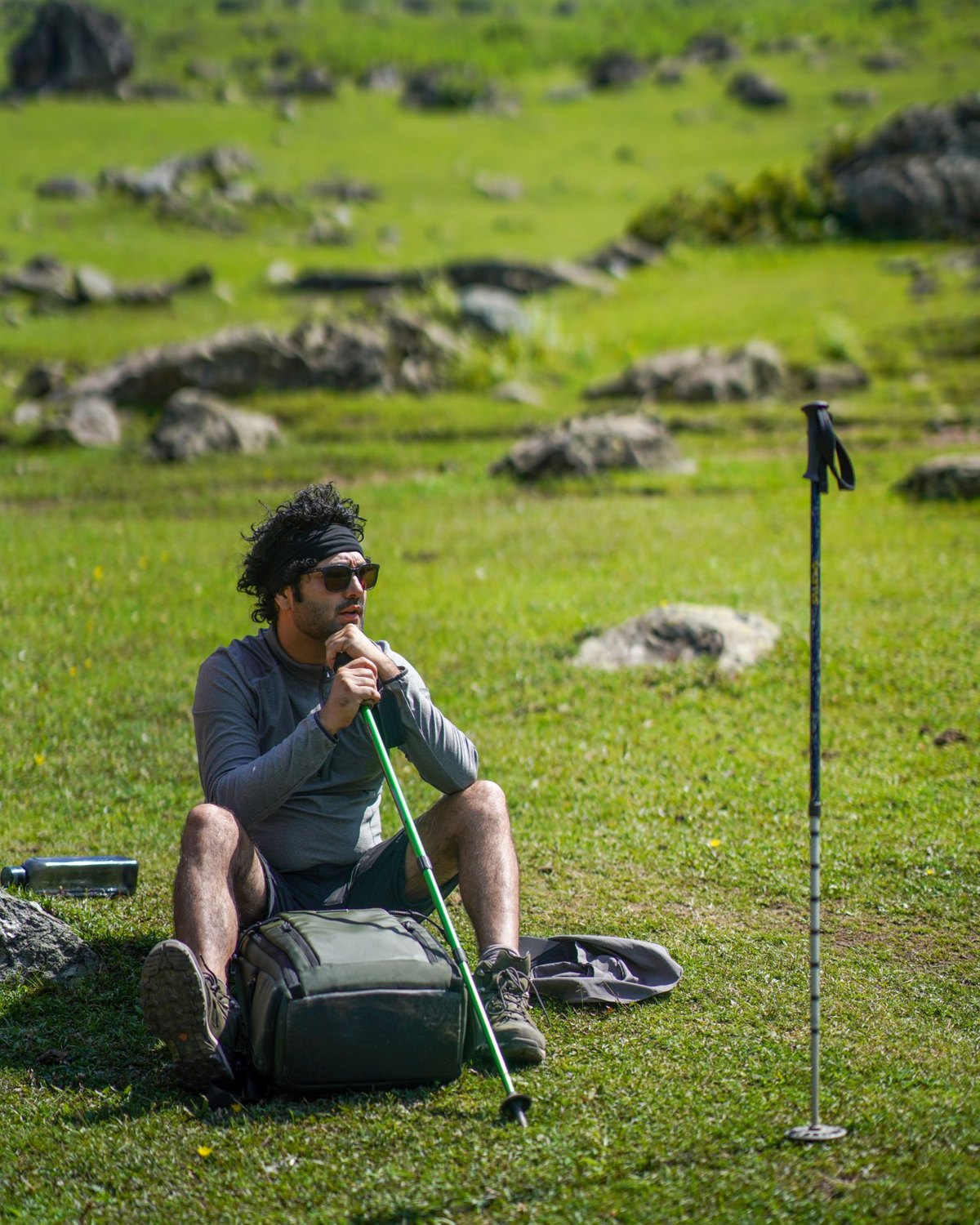
Plan a break location that offers usable shade without creating another hazard. A shaded spot beside a steep edge or under unstable branches is not a good trade. If the planned location is crowded or exposed, be willing to stop earlier elsewhere or shorten the outing.
Sun and heat are related concerns but not identical. Protecting your skin does not prevent overheating. Carry appropriate water, adjust the effort, and avoid a route whose conditions are beyond what you can manage. Feeling unwell is a reason to stop, not to finish the distance quickly.
At the end of the walk, note any coverage gaps: the back of your neck, the tops of your ears, or the strip where a sleeve rode up. Small observations make the next plan more specific than simply buying another item advertised for summer.