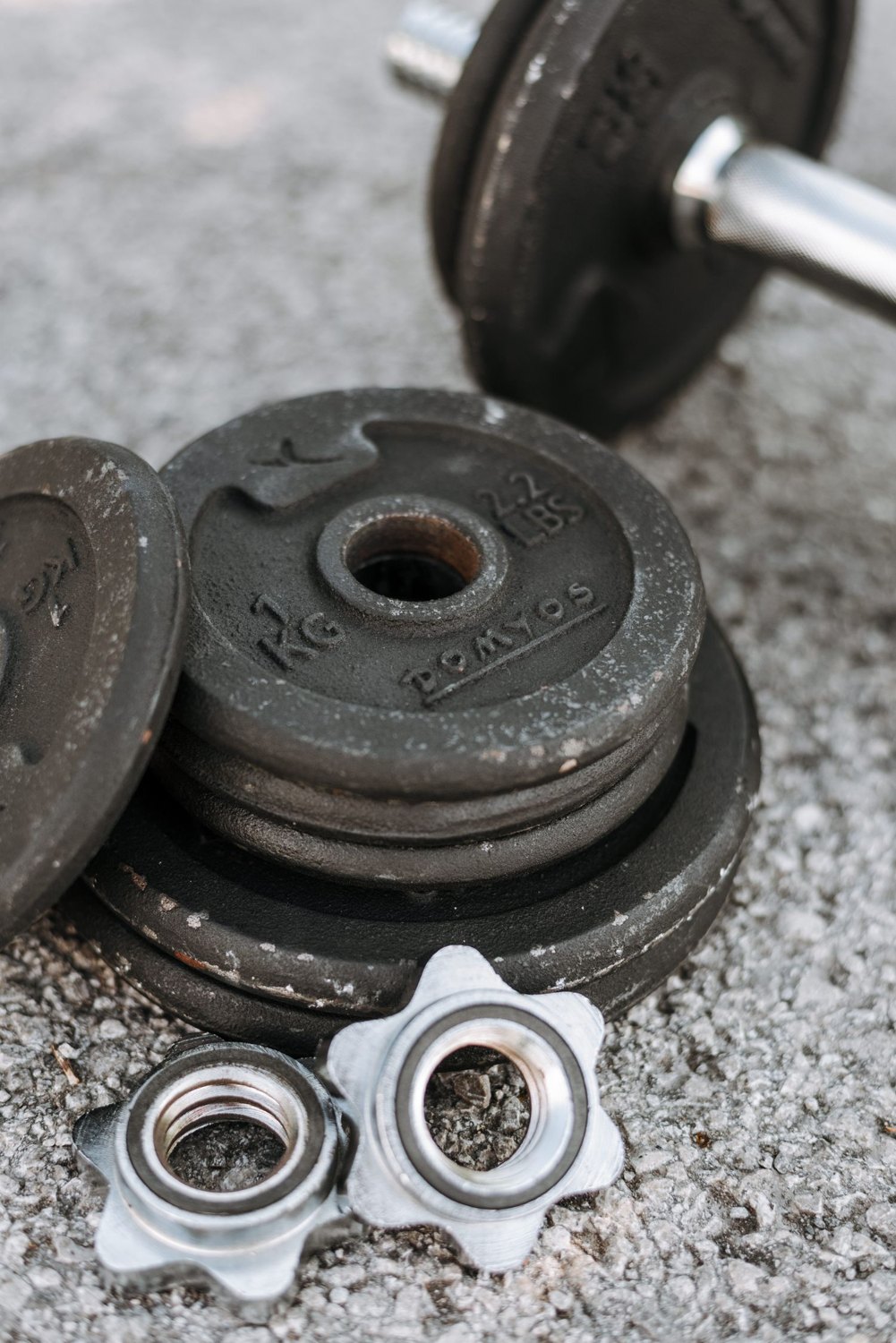
An adjustable dumbbell saves space by changing which plates stay attached to the handle. That convenience depends on the retention mechanism working correctly. Before the first session, read the instructions for the exact model rather than applying the procedure from a different set that looks similar.
Identify the allowed adjustment position, the selection controls, and the signs that a setting is fully engaged. Some designs use pins, others dials or threaded collars. Their checks are not interchangeable. Keep the manual available and ask the manufacturer about unclear instructions before loading the equipment.
Make the check part of every change
Place the weight in its intended base or adjustment position. Keep loose clothing and fingers clear of moving parts. Select the load exactly as directed, including matching both ends where the design requires it. Do not turn a control between marked settings because the intermediate position seems to give the weight you want.
Use the manufacturer’s prescribed engagement check before exercising. Do not invent a test that involves shaking the weight above the floor or holding it over your body. An improvised test can expose you to the very failure you are trying to detect.
If the selector binds, a plate remains partly lifted, or the handle does not behave as described, put the equipment aside. Check for an obvious obstruction only within the instructions; do not file, bend, or modify a locking part. Contact support when the cause is uncertain. A mechanism that sometimes works is not ready for another set.
Check the identity, not just the condition
Record the brand, model, and serial number where applicable. Use those details to check current manufacturer notices and the CPSC recall database. Adjustable dumbbell recalls have involved plates dislodging during use. A set may look intact and still be subject to a stop-use notice because the problem is not visible from the outside.
This matters especially with secondhand equipment. Confirm that the base, handle, and plates belong to the same compatible model. Missing labels or a collection assembled from different sets should make you cautious. A seller’s demonstration does not replace the manual or recall check.
Keep the base on a suitable level surface with enough clearance to return the weights straight into position. Rushing the final placement can interfere with the next adjustment. Follow any restrictions on dropping, impact, or exercise orientation; a fixed dumbbell and an adjustable one may tolerate different handling.
An orderly selection routine takes little time once learned. It should end with a definite answer that the setting is correct, not a hope that the usual click probably happened. If you cannot verify the mechanism as instructed, choose different equipment for the session.