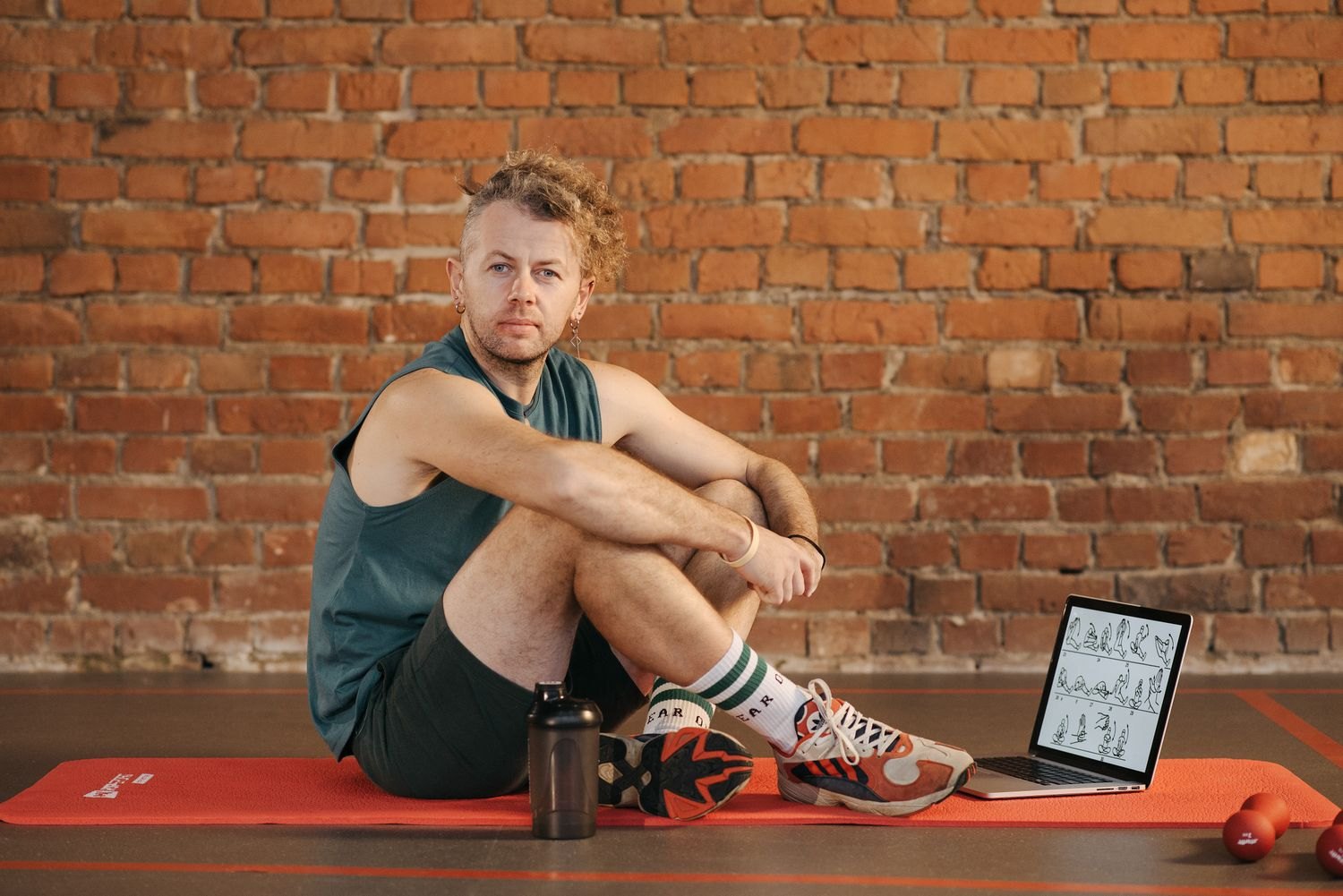
Some days contain plenty of movement without a gym visit. You walk to an appointment, carry groceries, work in the yard, or spend time on your feet with family. Those activities are worth noticing even if they do not arrive with a start button and a workout summary.
The first useful distinction is between being active and completing a particular training session. A busy day may involve substantial movement, but it does not automatically reproduce the demands of a planned strength routine or a sustained brisk walk. Conversely, the absence of a formal session does not make the day physically empty.
If you want to move more during ordinary days, look for opportunities that fit naturally and safely. A short walk during a break may be easier to repeat than an elaborate exercise circuit beside the desk. Taking a longer route to a nearby errand can work when time, weather, accessibility, and surroundings allow it. There is no need to turn every journey into a challenge.
Count the demand as well as the opportunity
A day of lifting boxes or walking on difficult ground can be tiring. Consider that when deciding what to do later. The fact that an activity was work rather than recreation does not erase its physical demands. You may need to adapt the planned session instead of insisting that only labeled exercise counts.
At the same time, avoid assigning precise training benefits from vague descriptions. “Busy all day” could mean many things. If a record helps, write what happened in plain language: a long walk between appointments, several hours of gardening, or an afternoon mostly standing. You do not need to estimate calories or convert every task into a score.
Public health guidance encourages moving more and sitting less, with a mixture of aerobic and muscle-strengthening activity over the week. Ordinary movement can contribute to the broader picture, while specific goals may still call for more deliberate sessions. These ideas can coexist without forcing every activity into the same category.
The practical question at the end of the day is what would serve you now. It might be a planned workout, an easy walk, or rest after an unusually demanding day. Let the answer reflect what you have actually done and how you feel, rather than whether a device has recognized a session.