A backup session should solve a particular problem. Rain interrupts an outdoor walk. A late meeting removes the travel time for the gym. A room unexpectedly fills with visitors. Each situation changes what is possible, so “do something else” is not much of a fallback.
Choose the interruption that actually happens most often. If work regularly runs late on Wednesday, the backup might be a short home session using movements you already know. If weather is the main obstacle, identify an indoor walking option with suitable access and opening hours. Avoid building a catalog of alternatives for events that almost never occur.
Decide what triggers the change. For example, if leaving work after a certain time would make the gym visit rushed, use the home option. This removes the lengthy negotiation that can otherwise happen at the end of a tiring day. The fallback is part of the plan, so using it does not require an apology or an extra session tomorrow.
Match the purpose, not every detail
A backup need not reproduce the original workout exercise for exercise. A short walk cannot perform the same role as a strength session, but it can preserve an opportunity to move when the full session is unavailable. Be clear about that distinction in your records. You are adapting the week, not proving that every activity is interchangeable.
Keep the substitute familiar and easy to set up. A new streaming class, unfamiliar equipment, and a complicated timer introduce several fresh decisions just when you have less time. An option already practiced once is more dependable. Check where you will do it, what you will wear, and whether its noise or space requirements suit that hour.
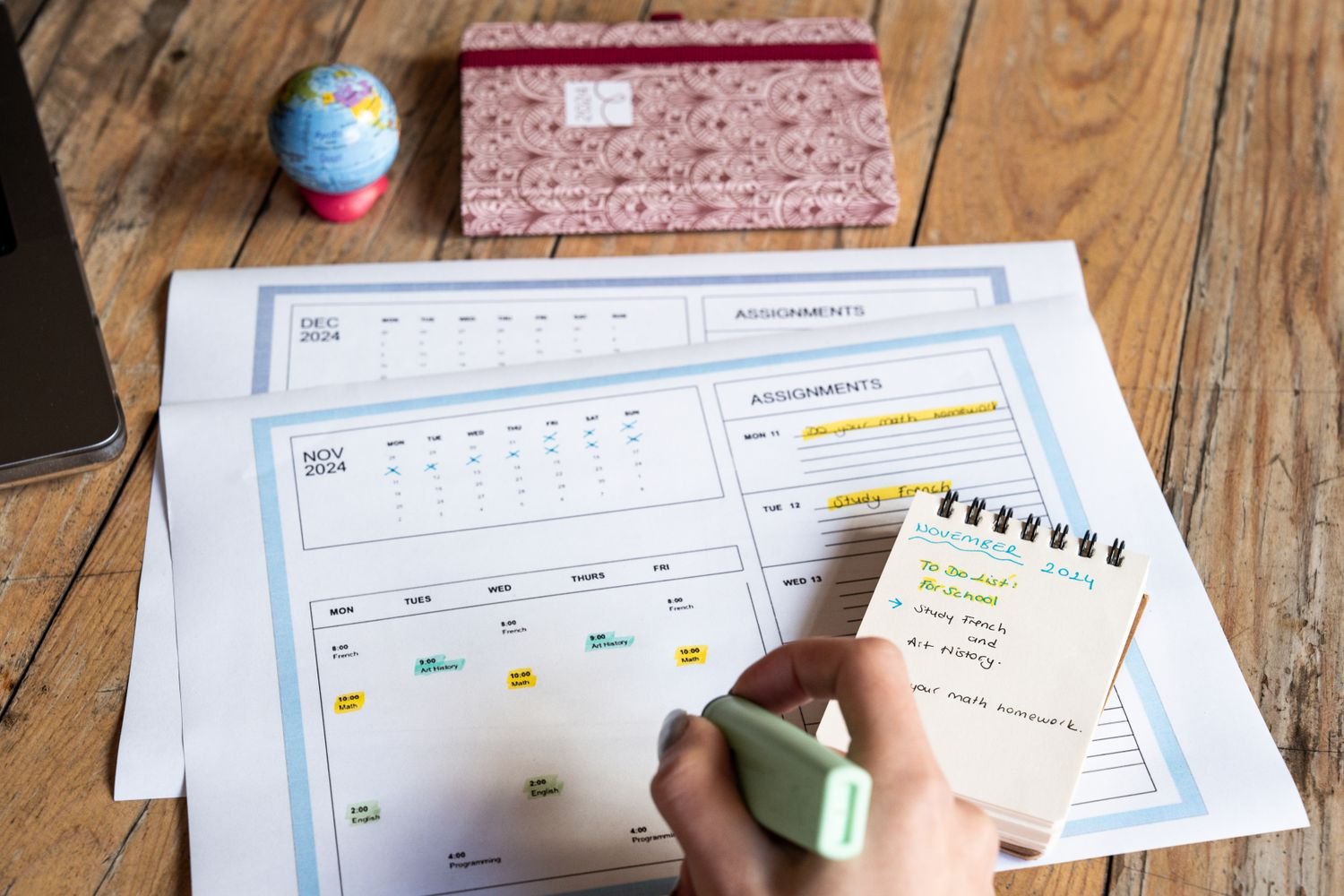
Your calendar can hold the fallback in the same note as the main appointment. It does not need a second block that makes the day look doubly booked. Write the trigger and alternative in plain words: “If the route is unsafe in bad weather, walk indoors.” Severe weather or feeling unwell may mean resting instead; a fallback is not an obligation to exercise under every condition.
If you use the backup most weeks, stop calling it a backup. The pattern is telling you that the original appointment no longer matches your life. Move the regular plan toward the arrangement you can actually use, and keep a different alternative for the occasional disruption.