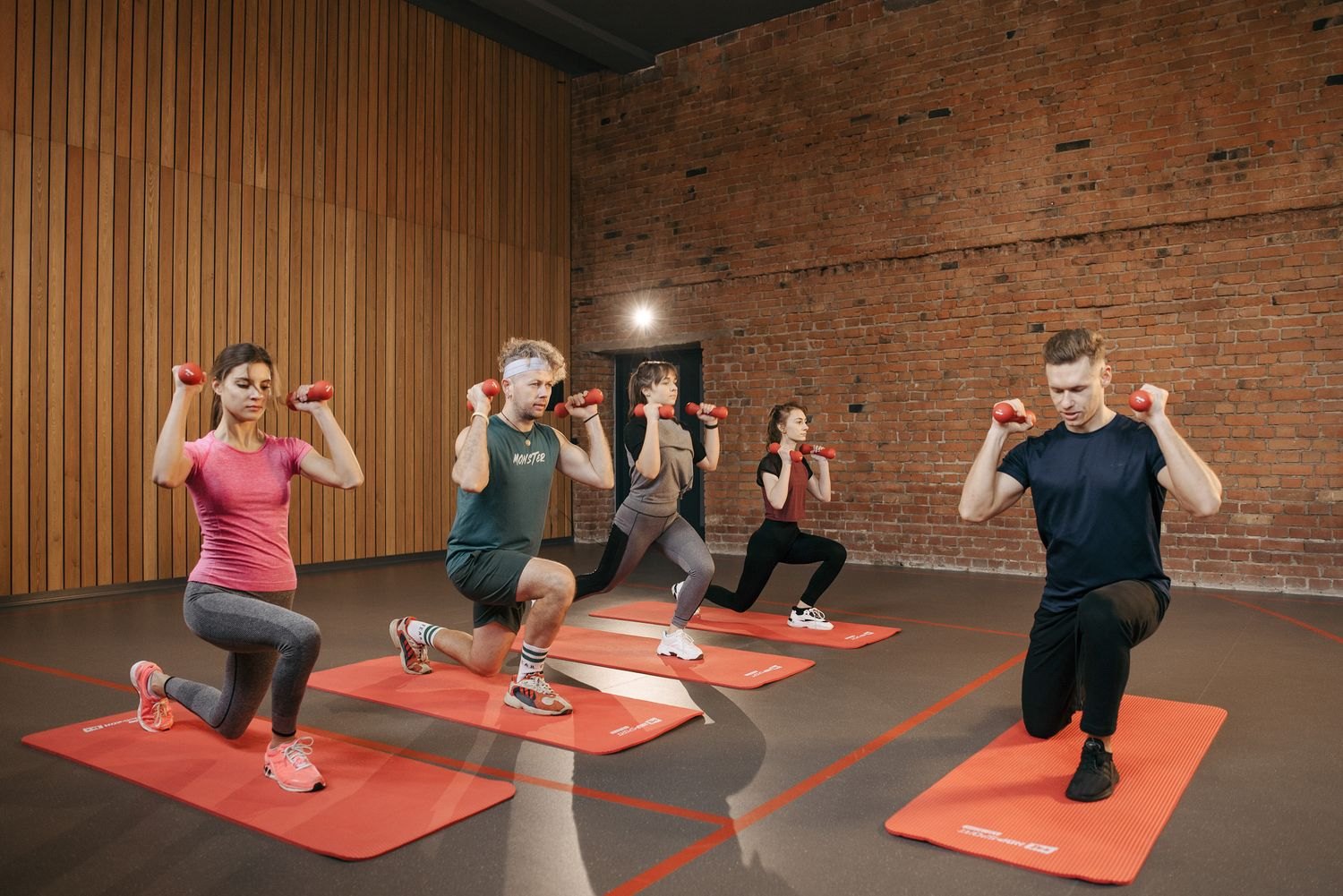
An unfamiliar exercise can make ordinary stairs noticeable the next morning. Repeating a familiar routine may produce very little soreness. Neither experience, by itself, tells you whether the training was productive.
Muscle soreness can follow exercise, particularly when the activity or its demands are new. Cleveland Clinic notes that the absence of soreness does not mean a workout failed. Using discomfort as the main score encourages you to keep changing exercises or adding work simply to recreate the same sensation.
Look at the session instead
Ask whether you completed the planned work with suitable effort and control. Compare repetitions, resistance and setup over time. Notice whether the routine fits your week and whether you are able to return to it. Those observations are more directly related to the training you intended than the difficulty of sitting down the next day.
A new lowering emphasis, extra sets or a longer movement range can change how you feel afterward. Record the change rather than assuming soreness came from the weight alone. If several variables increased at once, scale the next session back and make future adjustments more gradually.
Do not treat all discomfort as ordinary exercise soreness. Sharp pain during a movement, joint swelling, a marked loss of function or symptoms that are severe or worsening need appropriate medical attention. If you are uncertain, get advice rather than trying to identify the problem through another hard workout.
Let recovery affect the next choice
When muscles are mildly sore, comfortable easy activity may still be possible. If the soreness changes how you move or makes normal tasks difficult, a demanding repeat of the same work may be inappropriate. Adapt the day rather than insisting that a calendar entry overrides your current condition.
Stretching is not a guaranteed way to prevent or remove delayed soreness, and aggressively forcing a sore muscle into a stretch can add another uncomfortable demand. Keep any movement gentle and suited to how you feel.
After an unusually uncomfortable session, look for a concrete lesson: too many new exercises, a large increase in sets, a long break followed by old loads, or insufficient recovery between similar sessions. That review is more useful than deciding you must tolerate more pain to become committed.
A routine that gradually feels more familiar can be working well. You are allowed to finish a workout, recover comfortably and go about the next day without using soreness as proof that something happened.