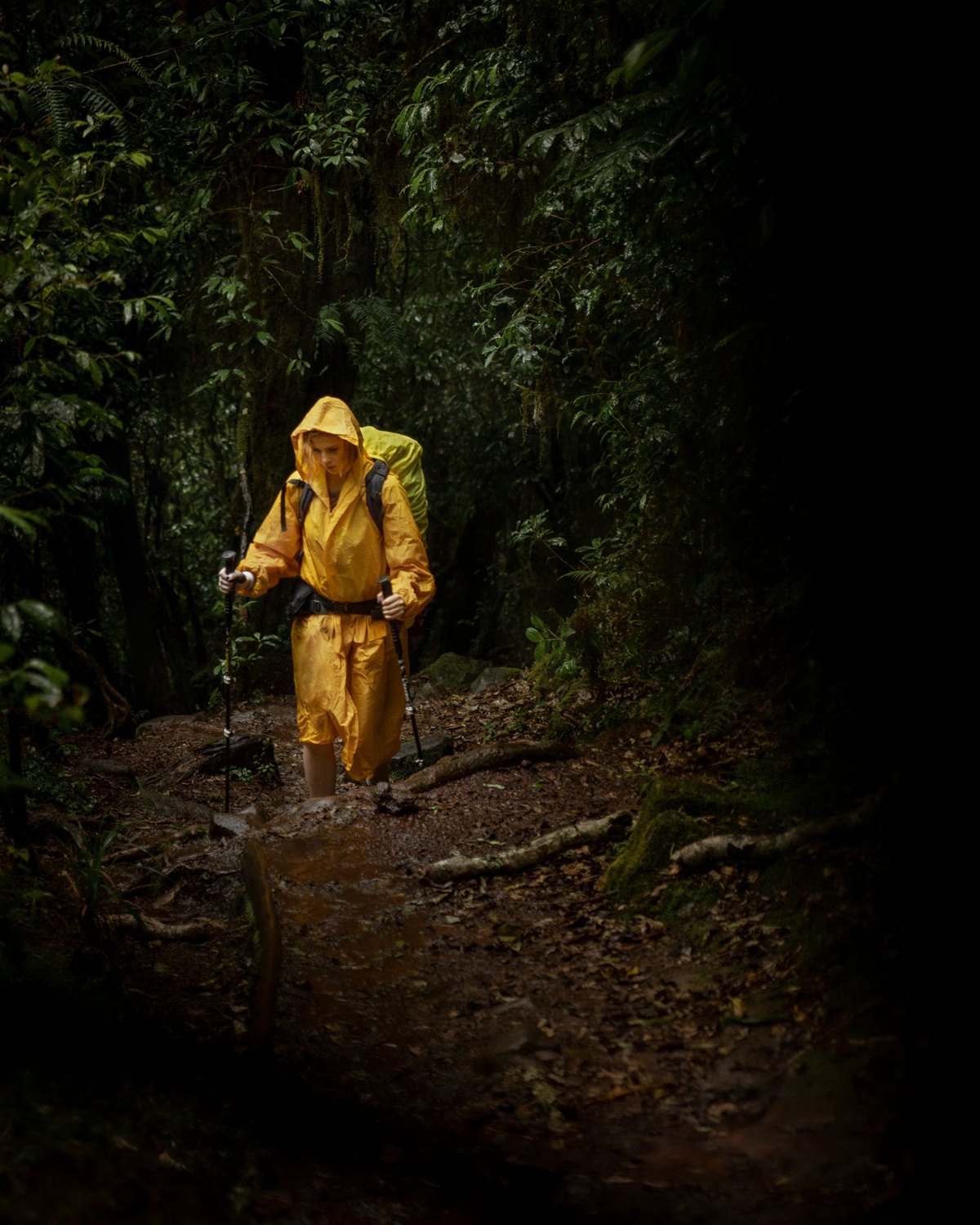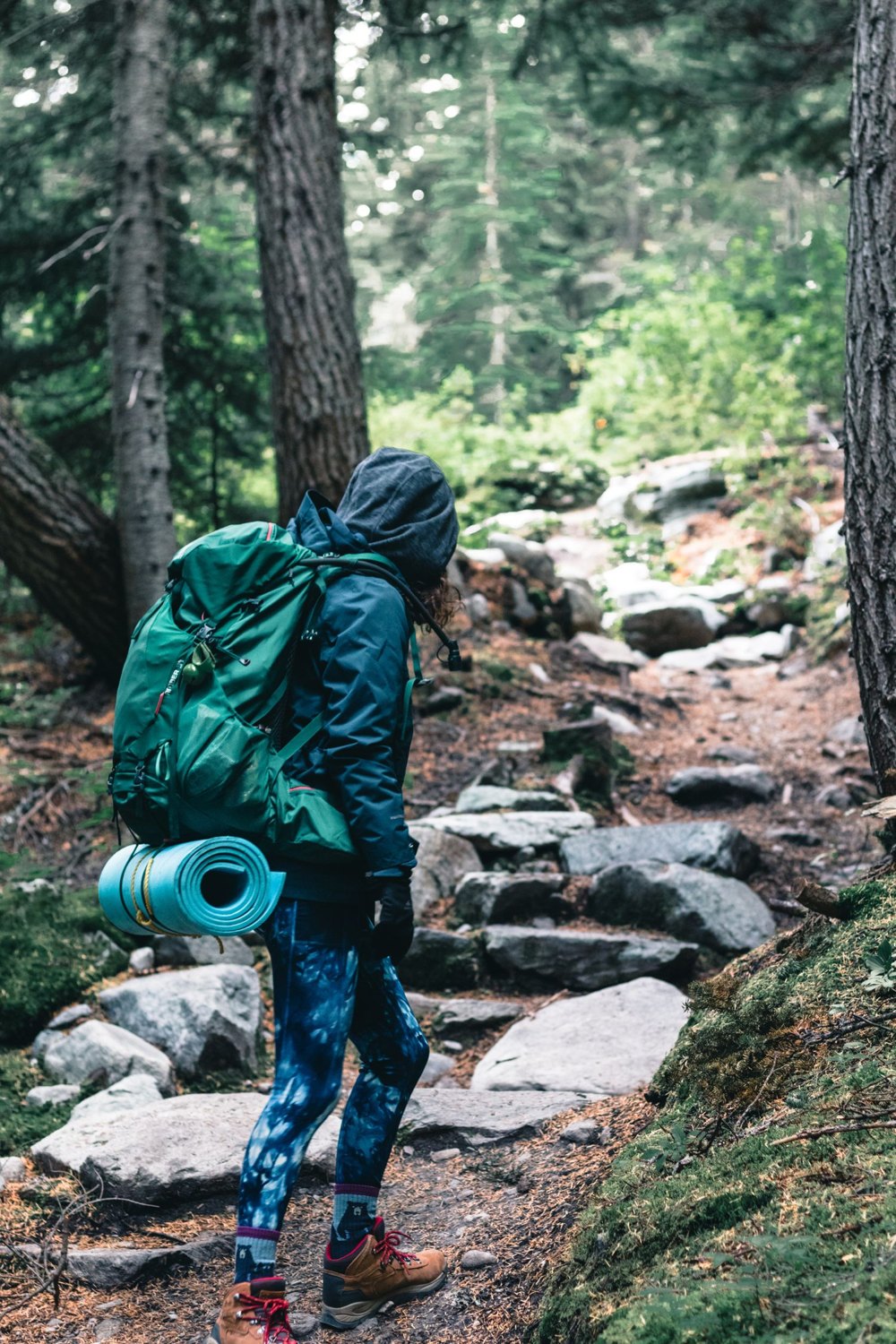
The word easy on a trail listing is a starting point, not a description of every step. Before a first trail walk, find out what is underfoot. A broad gravel path, a rocky streamside trail, and a boardwalk may all cover the same distance while asking for quite different attention and balance.
Look for photographs of the actual path rather than only its destination. Read the land manager’s description for surface, slope, steps, and exposed edges. If the information is vague, ask a specific question: does the route involve climbing over rocks, crossing water, or using hands for support? Those details are more useful than asking whether it is suitable for beginners.
Keep the first outing easy to interpret
Choose a marked route with straightforward junctions and a finish you understand. Starting with a shorter maintained path gives you room to notice how your shoes, bag, and pace work together. It also makes it easier to turn back if the ground is different from what you expected. There is no need to include steepness, distance, and unfamiliar navigation in the same first experiment.
A paved approach can disguise a rough middle section. Check the entire route, including the return, and read recent official alerts. A bridge closure or damaged staircase can change access even when an older description remains online. The National Park Service recommends selecting a trail that fits the abilities of the whole group, rather than relying on enthusiasm alone.
At the trailhead, take a moment to match the sign with your map. Confirm the route name and direction. Walk the first stretch at a pace that leaves time to place your feet; looking up at the scenery is easier when you stop rather than trying to study everything while moving over uneven ground.
Let the surface set the pace
Slow down before roots, loose gravel, and slippery boards. Do not feel obliged to maintain the pace you normally use on a neighborhood walk. If someone wants to pass, pause in a suitable established space and let them go. Following a faster person can make an unfamiliar trail feel more difficult than it needs to be.
Afterward, note the ground you enjoyed and the parts that required concentration. That gives you a better basis for choosing the next walk than the mileage alone. A comfortable first trail experience is useful information, not a distance record.