The noise you hear in your own room is not necessarily the noise heard below it. A landing can feel modest upstairs while sending a noticeable thump through the building. Music and conversation are one issue; repeated impacts on the floor are another. Turning down the speaker does not solve both.
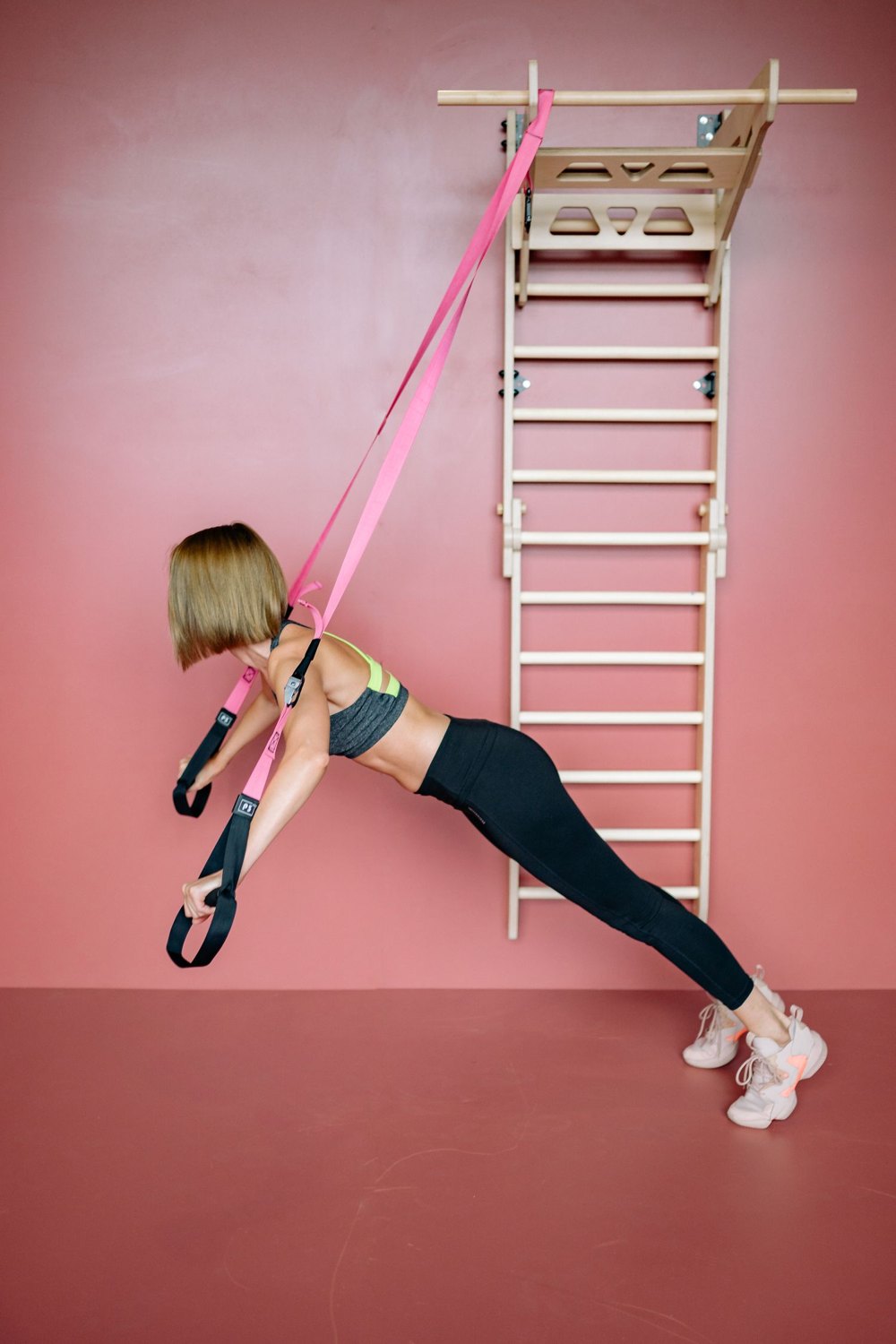
Start by removing movements that involve leaving the ground and landing again. Step out to the side instead of jumping into a wide stance. Walk or march in place instead of running on the spot. Choose a controlled squat instead of a squat jump. These substitutions change the session, but they let you keep moving without treating every exercise as an impact test.
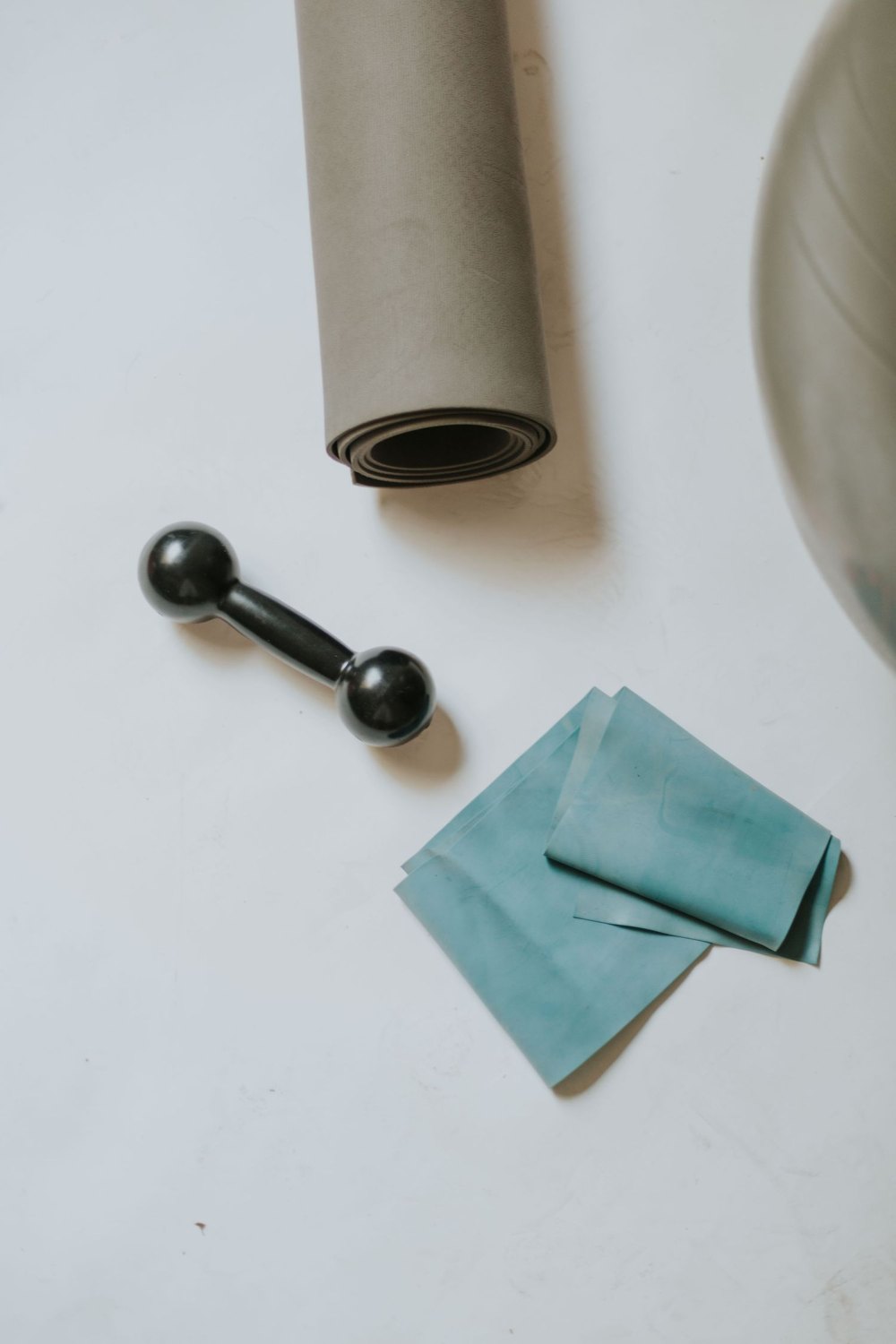
Handling weights is often the next source of noise. Put them down deliberately on a suitable, stable surface. Do not let the last repetition become a drop. If you cannot lower the weight quietly and securely, reduce the load or end the set sooner. A thick mat does not make dropping equipment harmless to the floor or to people nearby.
Rehearse one ordinary round
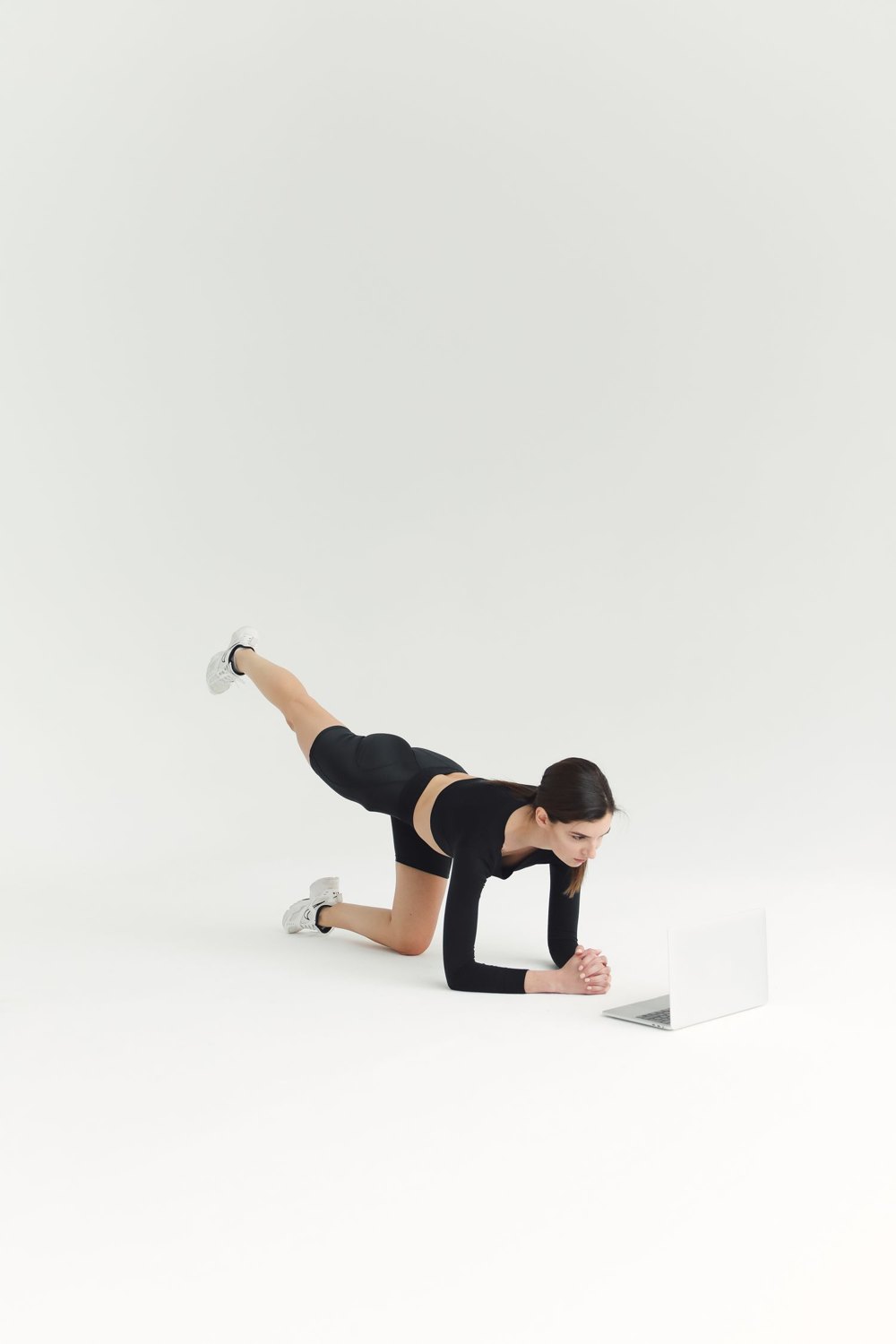
Before committing to a video or circuit, try its transitions at an easy pace. Moving from a standing exercise to the floor may make more noise than either exercise alone. A chair that scrapes backward, a mat that catches under a shoe, and a rolling dumbbell all create avoidable interruptions.
Where possible, check with the person below during a short trial at an agreed time. Ask about specific actions rather than whether the workout is generally quiet. You may learn that a particular corner transmits sound badly, or that setting down a weight is more noticeable than walking. Building rules and quiet hours still apply even if one neighbor is comfortable with the arrangement.
The surface must remain suitable for movement. Piling up soft mats can make standing less stable and create raised edges to trip over. Use flooring products according to their instructions, and do not assume that something sold as an exercise mat is an acoustic treatment.
Some rooms simply do not accommodate the session you want. In that case, keep quieter strength or mobility work indoors and take impact-based exercise to a suitable outdoor space or facility. Your apartment routine can be useful without reproducing the sound or speed of a studio class.