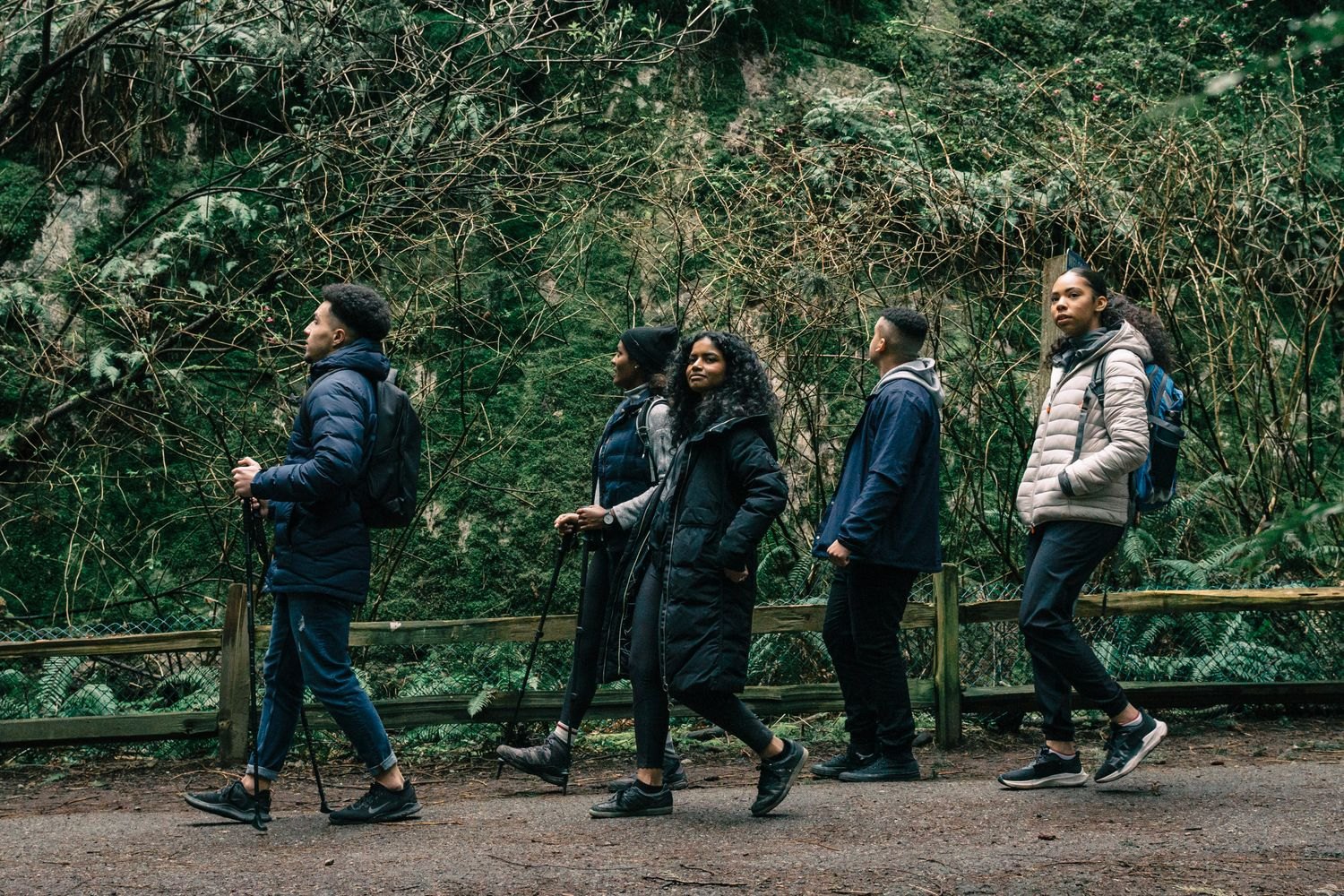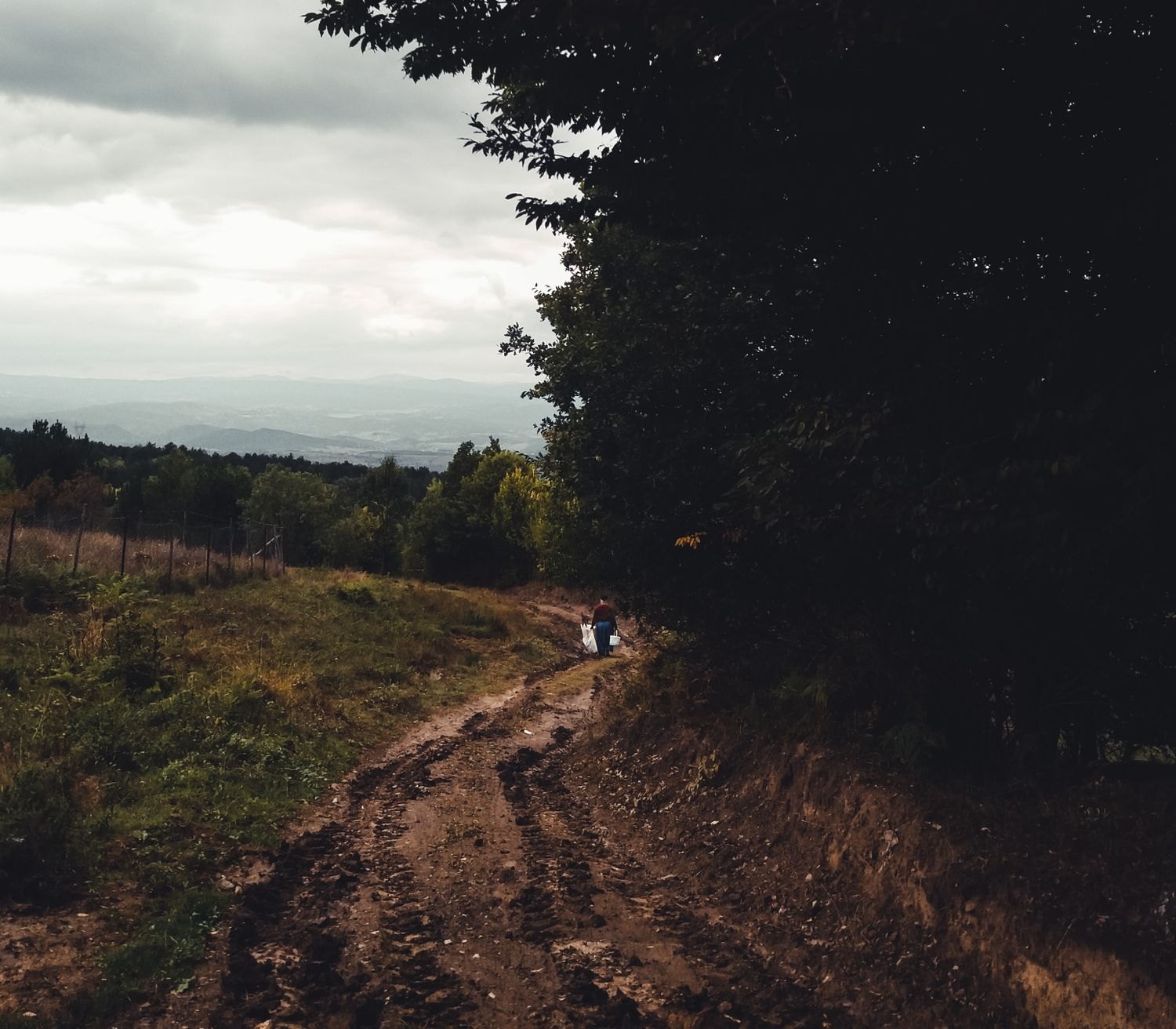
Two people can agree on a destination and still have different ideas about the walk. One may see the viewpoint as optional; the other may assume reaching it is the whole purpose. Discussing the return plan before setting off prevents that difference from becoming an argument halfway up a hill.
Name the route, the expected finish, and the point at which you will turn back. A time limit is useful when daylight or transport matters. Conditions can also set a limit: an unexpected closure, worsening weather, or someone feeling unwell. These decisions should not depend on who is most persuasive at the moment.
Make changing the plan ordinary
Use language that leaves room for both people’s experience. Saying that you will reassess at a marked junction is clearer than saying you will see how it goes. At that junction, stop long enough to consider the return, not just how close the destination looks. A nearby summit can still be a long way from the car.
Agree that either person can ask to shorten the outing. That does not require a dramatic explanation. A rubbing shoe, uncomfortable pace, or uncertainty about the weather is worth discussing early. Waiting until a small problem becomes obvious to everyone makes the options narrower.
Share important route information rather than leaving all navigation to one phone. Both walkers should know the trailhead name and the intended route. If you carry different essential items, make sure the arrangement does not leave one person unable to manage an ordinary stop. Staying together is simpler than trying to reconnect in a place with poor reception.
An out-and-back route makes the decision visually simple, but a loop requires more planning. Identify any legitimate shorter route in advance. Do not describe an unverified path as the escape option just because it appears on a map. Turning around along a known section may be more sensible than continuing into uncertainty.
At the finish, review whether your decision points worked. Perhaps the planned turnaround was too late for a relaxed return, or the group needed more time at breaks. Adjust the next plan without turning the conversation into blame. A shared walk works best when getting everyone back comfortably is an agreed part of the outing, not an afterthought.