Heavy rain can change a route after the clouds have moved away. Water may remain high, soil may be unstable, and a familiar bridge approach may have been damaged. Before heading out, check current land-manager notices rather than assuming that better weather has restored the trail.
Look at the route’s relationship to water. Low sections beside streams, drainage channels, and paths beneath steep slopes deserve particular attention. If a bridge or crossing is closed, choose another established route. Do not interpret a barrier as a suggestion to find your own way around.
The National Weather Service advises against walking into floodwater. Depth, current, and the condition of the ground beneath it can be difficult to judge. A stick, waterproof boots, or another person having crossed does not establish that the crossing is safe.
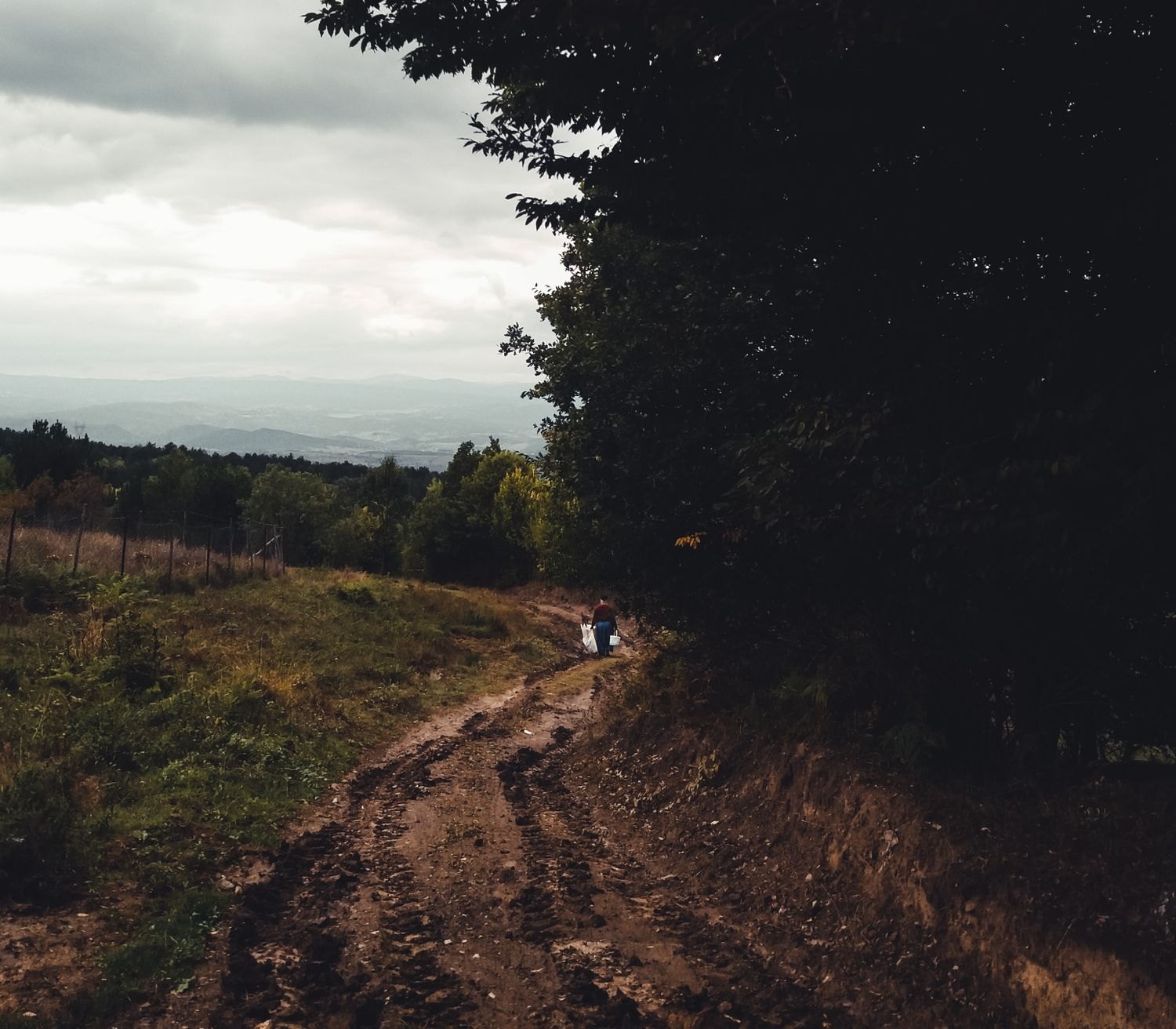
Mud is also a reason to change plans
A saturated trail may be vulnerable to damage even where it is not flooded. Repeatedly walking around mud can widen the path into surrounding vegetation. Follow local guidance about temporary closures and conditions; use a more durable open route when the original is too wet.
Watch for washed-out edges, deposited debris, and loose material. Do not approach a crumbling bank to see how much has fallen away. If you encounter downed power lines, keep well away and report them to the appropriate local service. Do not touch branches or objects in contact with a line.
Check access as well as the walking route. A flooded road or closed parking area can make the outing unavailable before you reach the trailhead. Do not drive around barriers to preserve the plan. A different destination is a much simpler solution than becoming committed to reaching one particular path.
If you see a new hazard, report its location clearly to the land manager when it is safe to do so. A trail name, nearest junction, and description are more useful than a dramatic photograph without context. Do not put yourself closer to the hazard to document it.
The first fine day after a storm can be appealing, but it is also a good day for a conservative route choice. Let current conditions determine the outing. The familiar path will be more enjoyable when it is open and the ground can support both the walkers and the trail itself.