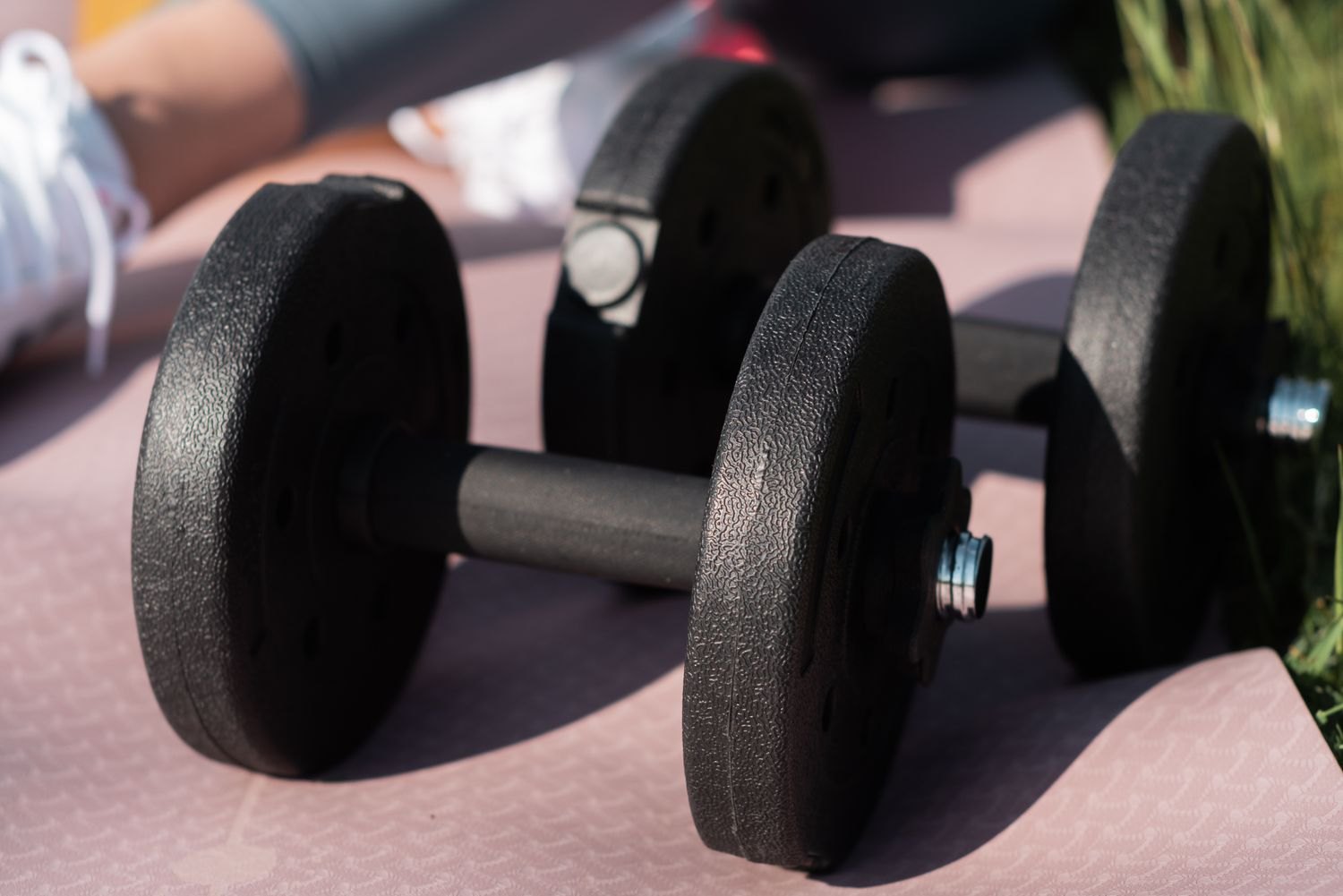
The next dumbbell is sometimes a larger jump than it looks. If the rack goes from twelve to fifteen pounds, that increase may be manageable for one exercise and substantial for another. A plan that recognizes only heavier weights can push you toward a change you are not ready to make.
First, check whether the current exercise is consistent. Are the repetitions using the intended range? Is the setup stable? Are you resting similarly between sets? Better control is valuable, but changing these conditions makes the numbers harder to compare unless you record the difference.
Use the plan's available room
If your program gives a repetition range, you can build gradually within it before increasing resistance. For example, moving from eight controlled repetitions toward twelve over several sessions may provide a clear progression. Once the upper end feels manageable, a small weight increase can return the count toward the lower end. This is one common approach, not an instruction to force a higher count at every visit.
Adding a set is another way to increase the amount of work, but it also adds time and recovery demand. It is not automatically preferable when you are already struggling to fit the routine into the week. Likewise, slowing a repetition or adding a pause changes the challenge but should have a reason beyond making the exercise harder.
For body-weight exercises, support height or leverage may be adjustable. A slightly lower push-up surface can be a meaningful change. Record it as a new variation rather than pretending that the old and new repetitions are identical.
Do not change all of these variables at once. If you add weight, repetitions and sets together, a difficult recovery gives you little information about which increase was excessive. One modest change is easier to evaluate and reverse.
Progress can also mean that a useful session becomes repeatable. During a demanding week, maintaining the planned work may be more appropriate than adding another challenge. The training log should reflect your circumstances without becoming a contest for uninterrupted increases.
If progress has been absent for a while, review the actual pattern before buying more equipment or rewriting everything. A qualified trainer can help assess whether the workload, technique and recovery suit the goal. The useful next step may be heavier resistance, but it should emerge from the work you have been doing rather than from a rule that every session must exceed the last.