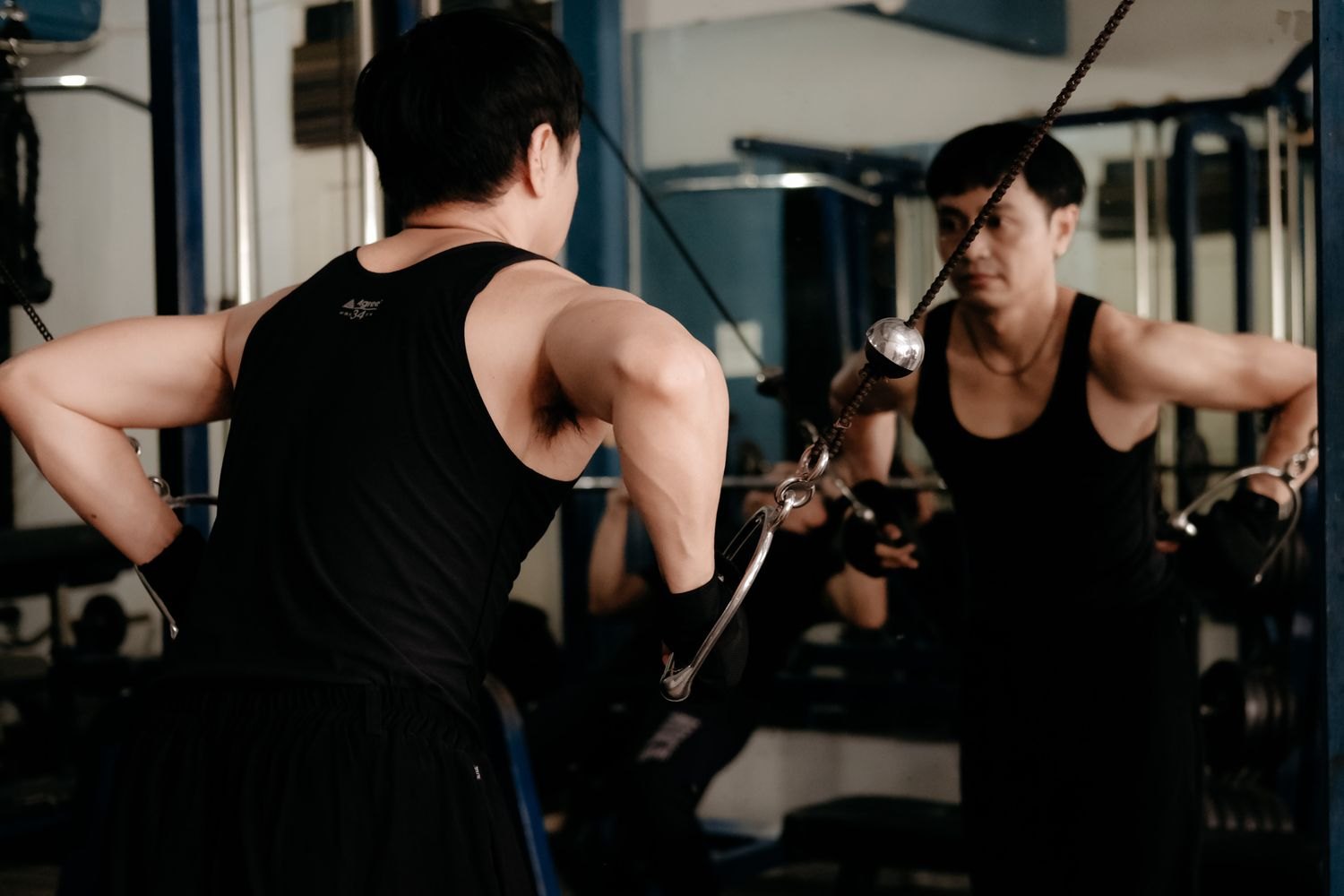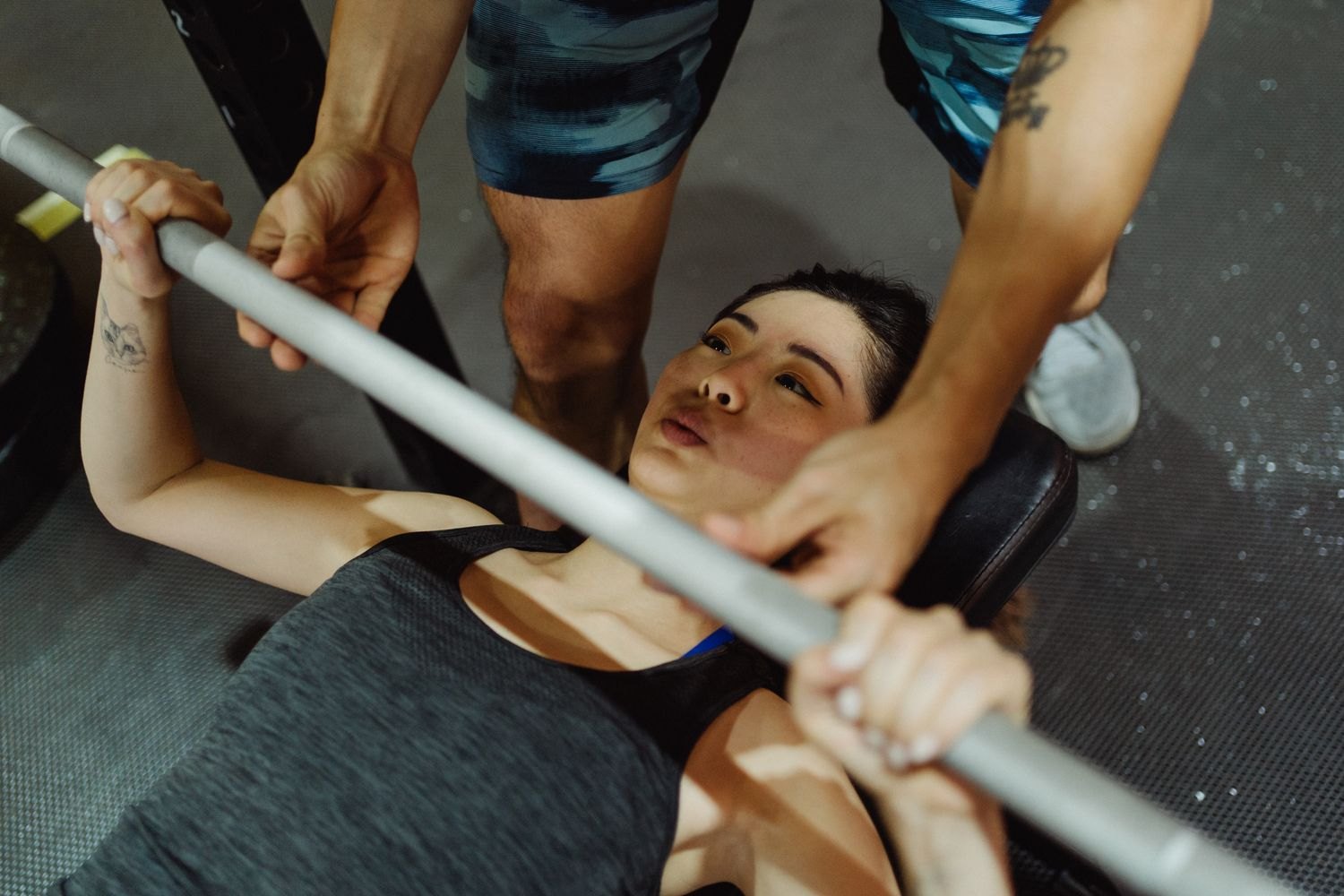
Your last session may have contained a useful discovery: a bench was too low, a handle crowded your wrist or the final exercise was rushed because you left it too late. Repeating the workout gives you a chance to act on that information.
Before the next visit, read the previous note and choose one adjustment. “Set the seat one position higher” is specific. “Have better form” is not. A useful correction tells you what to arrange or observe before the first working set begins.
Separate a mistake from ordinary variation
One difficult day does not prove that an exercise is wrong for you. Sleep, stress, other activity and the order of exercises can influence how a familiar load feels. Look for a pattern or a clear setup issue before rewriting the routine.
An actual equipment problem is different. A pin that did not lock, a slipping support or a cable that looked damaged needs attention before you use the station again. Report the issue and choose an alternative while it is unresolved. Repeating an unsafe setup is not consistency.
If the correction involves technique, practice it with less resistance first. Changing the foot position in a squat while also trying a heavier weight makes the result difficult to interpret. Give the new arrangement a fair rehearsal before returning to the planned load.
A trainer's cue should be tied to an observable purpose. If the instruction was to keep the weight closer, notice whether that changes the path without creating discomfort elsewhere. Ask for clarification when you cannot tell what the cue is intended to accomplish.
Keep what already works
There is no need to replace every exercise to demonstrate that you learned something. Retain the familiar parts and change the specific element that needs attention. This makes the next comparison much clearer.
Afterward, record the outcome in ordinary language: “higher seat removed the awkward reach” or “longer rest helped the second set stay controlled.” If the adjustment did not help, say so. A failed hypothesis is useful information when it prevents you from repeating the same guess indefinitely.
Pain or a new loss of function should not become an experiment you keep repeating alone. Stop the affected exercise and seek appropriate advice. For routine setup problems, however, the process can be simple: notice, change one thing, rehearse and review. The workout may look almost identical on paper while being much better organized in practice.