The first arm receives careful positioning. The second gets the weight passed over quickly and is expected to keep up. That is an easy habit to develop in one-sided exercises, especially near the end of a session. A short reset makes the comparison fairer.
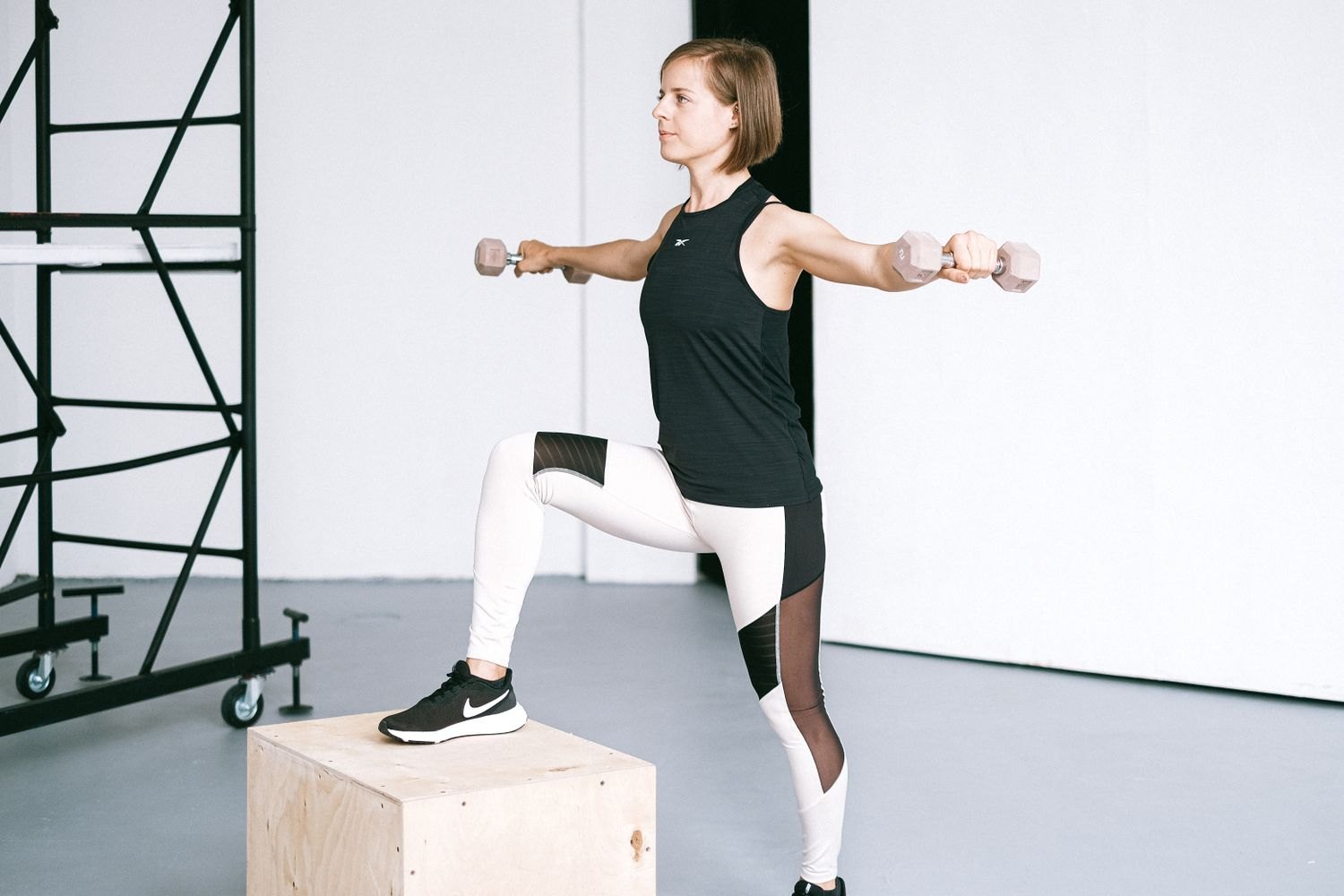
Put the weight down when necessary, arrange the new stance or support and begin the second side as a separate task. A supported row may require moving the bench or changing which hand rests on it. A split squat requires enough time to place both feet rather than guessing their positions while already tired.
Let the less comfortable side inform the plan
Small differences between sides are common and do not automatically mean something is wrong. If one side consistently manages fewer controlled repetitions, avoid rushing it to match the other. Choose a load and range that both sides can manage, or seek individualized advice about a difference that is large, new or associated with symptoms.
For general practice, starting with the side that needs more concentration can help you give it attention before fatigue grows. You can then keep the other side's work broadly comparable rather than adding many extra repetitions simply because they are available. This is a planning option, not a universal correction for every asymmetry.
Rest between sides when the exercise demands it. Alternating arms does not guarantee that the rest of the body has recovered; your grip, trunk and breathing may still be working. If the second side always feels worse, check whether order and inadequate recovery are part of the explanation.
Keep the technique instructions equivalent. If you use a range marker for one side, use a matching reference for the other where appropriate. If support is needed, do not remove it on one side as an accidental test of toughness.
A note can distinguish ordinary variation from a trend: “left eight, right eight; left needed more balance support.” That is more informative than declaring a weak side from one set. If the difference persists or affects daily movement, a qualified professional can help interpret it in context.
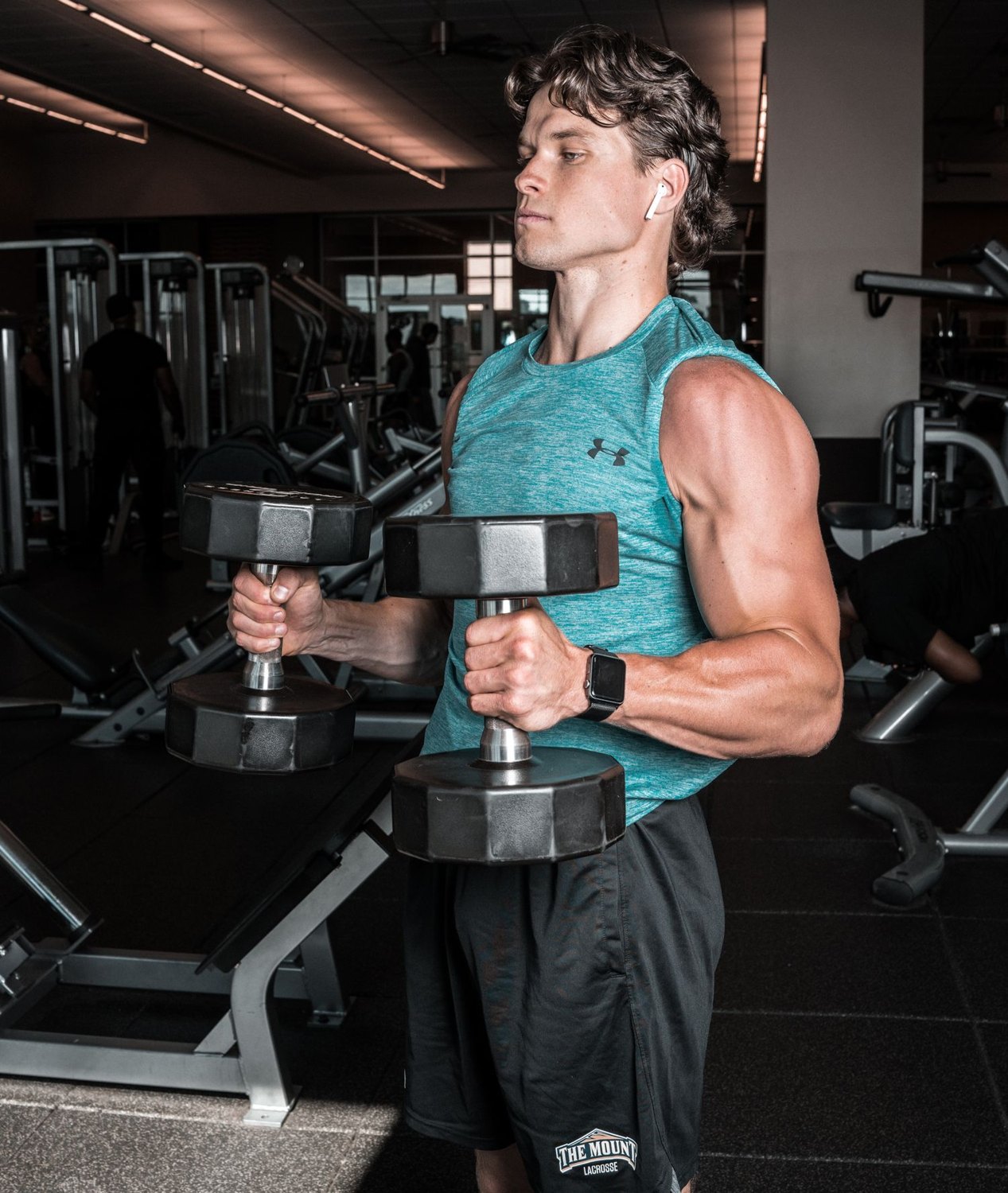
Finish by returning the equipment deliberately. Passing a heavy dumbbell directly from a tired hand to the other can be less secure than placing it down first. The small pause is part of doing both sides well, and it usually costs less time than recovering from a rushed, awkward transition.