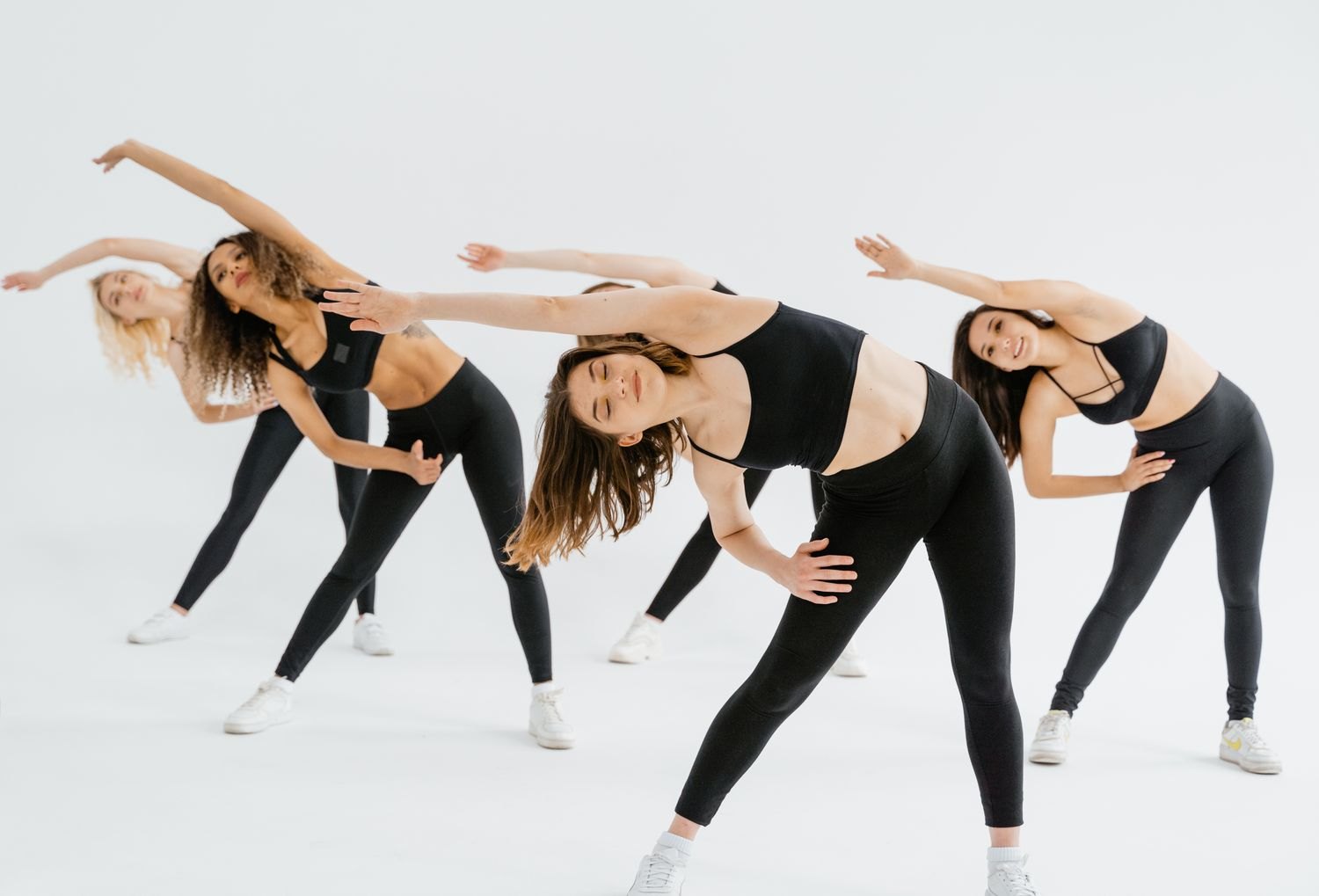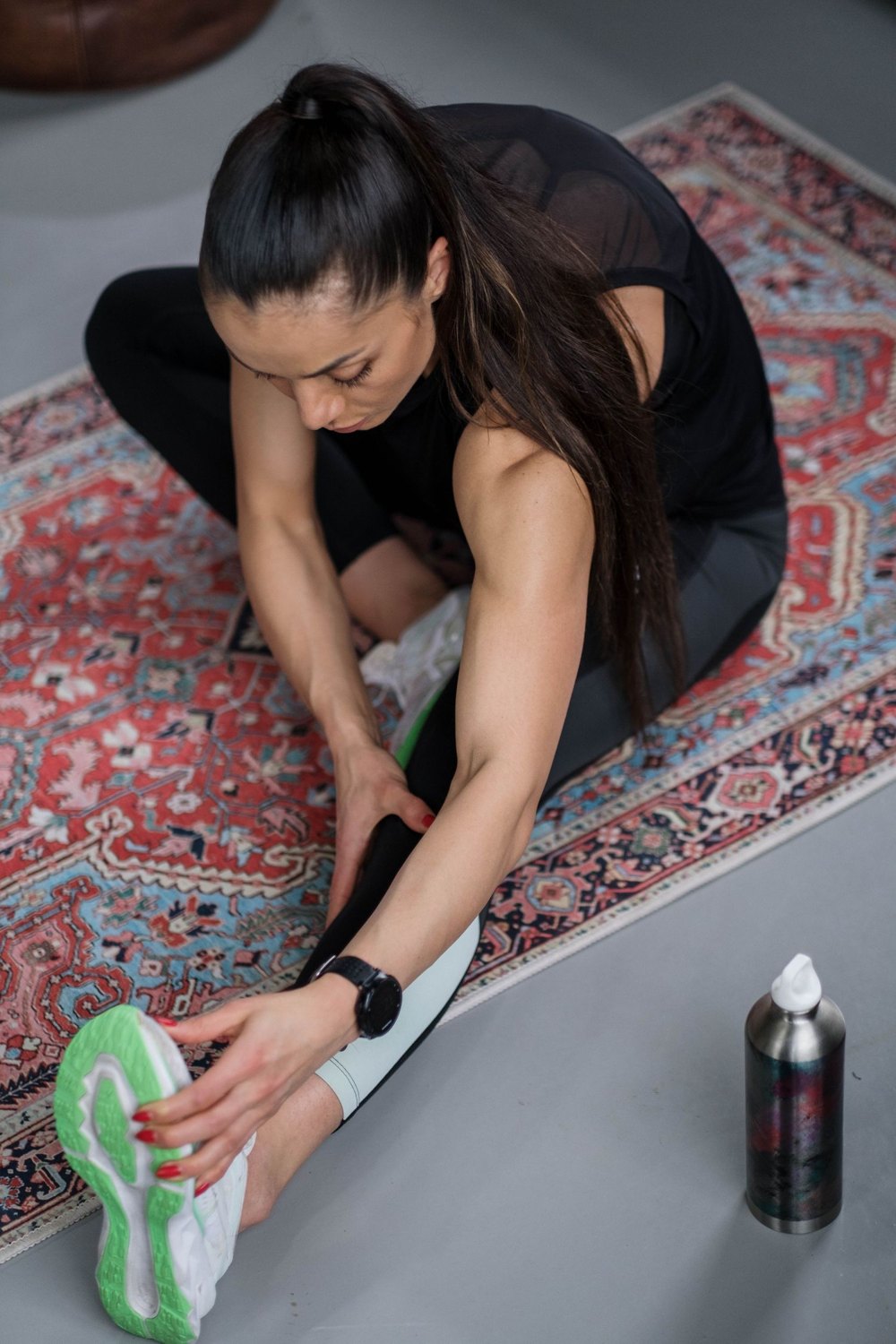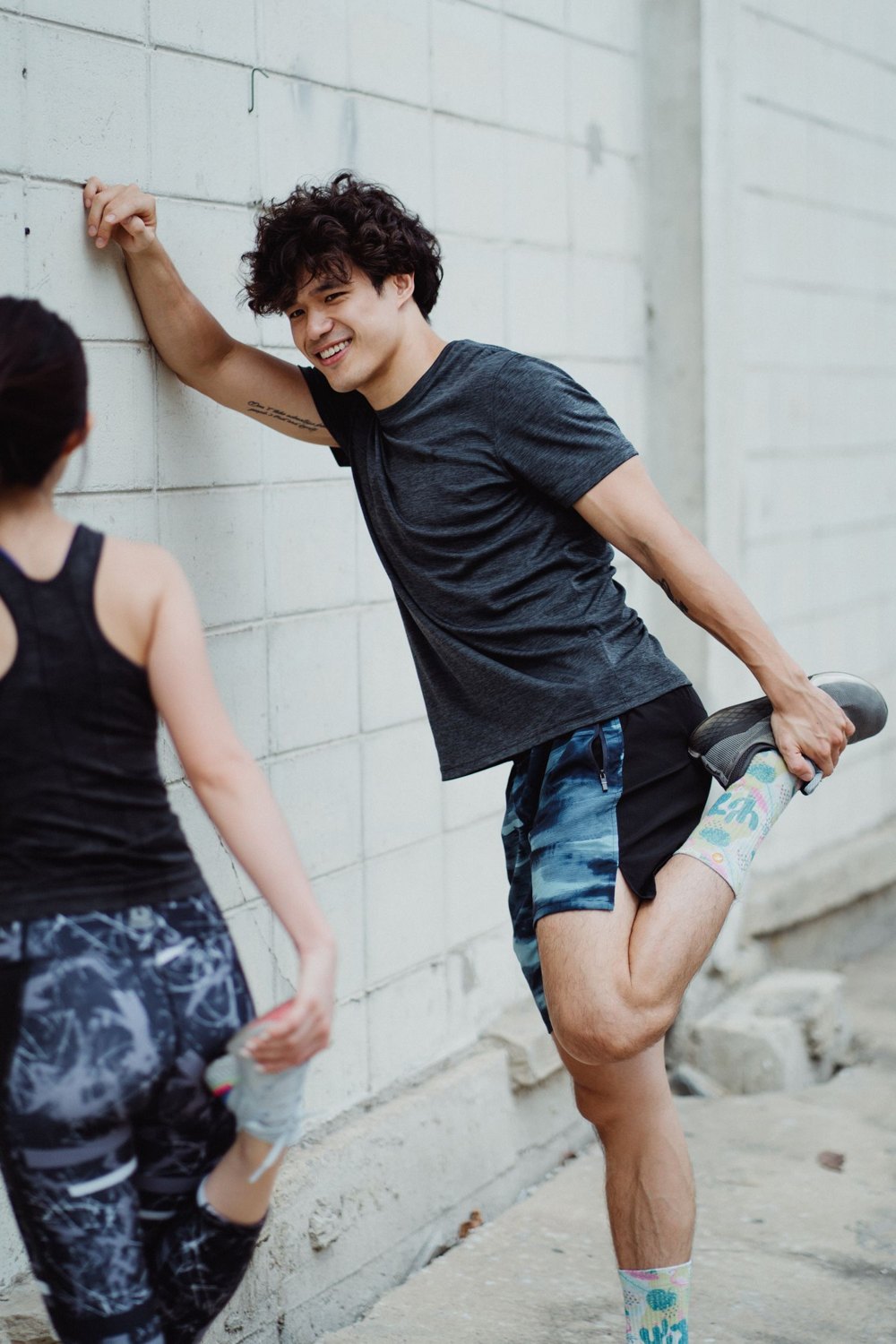
The useful challenge in balance practice is managing your position, not wondering what you will grab if you sway. A fixed counter or rail nearby lets you explore a small change in stance with a clear way to recover.
Choose a level, uncluttered area with good lighting and secure footwear. A wheeled chair, folding table or light object that can tip is not a dependable support. Test the handhold before beginning, and keep it within easy reach rather than across a gap.
Begin with a small change
You might stand with the feet a little closer together, shift weight gently from one foot to the other or briefly lighten one foot while keeping the support available. Choose an option that fits your ability. You do not need to begin with a long one-leg hold.
Keep the eyes open and look toward a stable point. Closing the eyes or adding a soft surface changes the task substantially and is not a necessary beginner progression. If the ordinary setup already requires concentration, there is no benefit in adding another challenge immediately.
The NHS recommends performing balance exercises near a wall or stable chair in case balance is lost. For someone worried about falling, with recent falls or with a health condition affecting balance, individual guidance is especially valuable. A general article cannot judge the safest starting level.
Use the support when needed. Touching it is feedback, not a failed attempt. If you repeatedly need a strong grab, make the stance easier or choose another movement. The exercise should allow a deliberate return to a stable position.
End before fatigue rearranges the task
Short practice with a clear finish can be more manageable than holding on until the legs shake. Put both feet securely down, pause and then decide whether to repeat. Avoid stepping straight from a difficult balance attempt into a cluttered walkway.
Record the actual setup if you want to observe progress: footwear, hand support and stance. Comparing an unsupported attempt on a different surface with a supported one on firm flooring tells you little about a single change.
Balance practice can be quiet and undramatic. A small shift performed with control, beside reliable support, is a legitimate starting point. The room should make that practice easier to manage, not supply extra obstacles you never intended to train around.