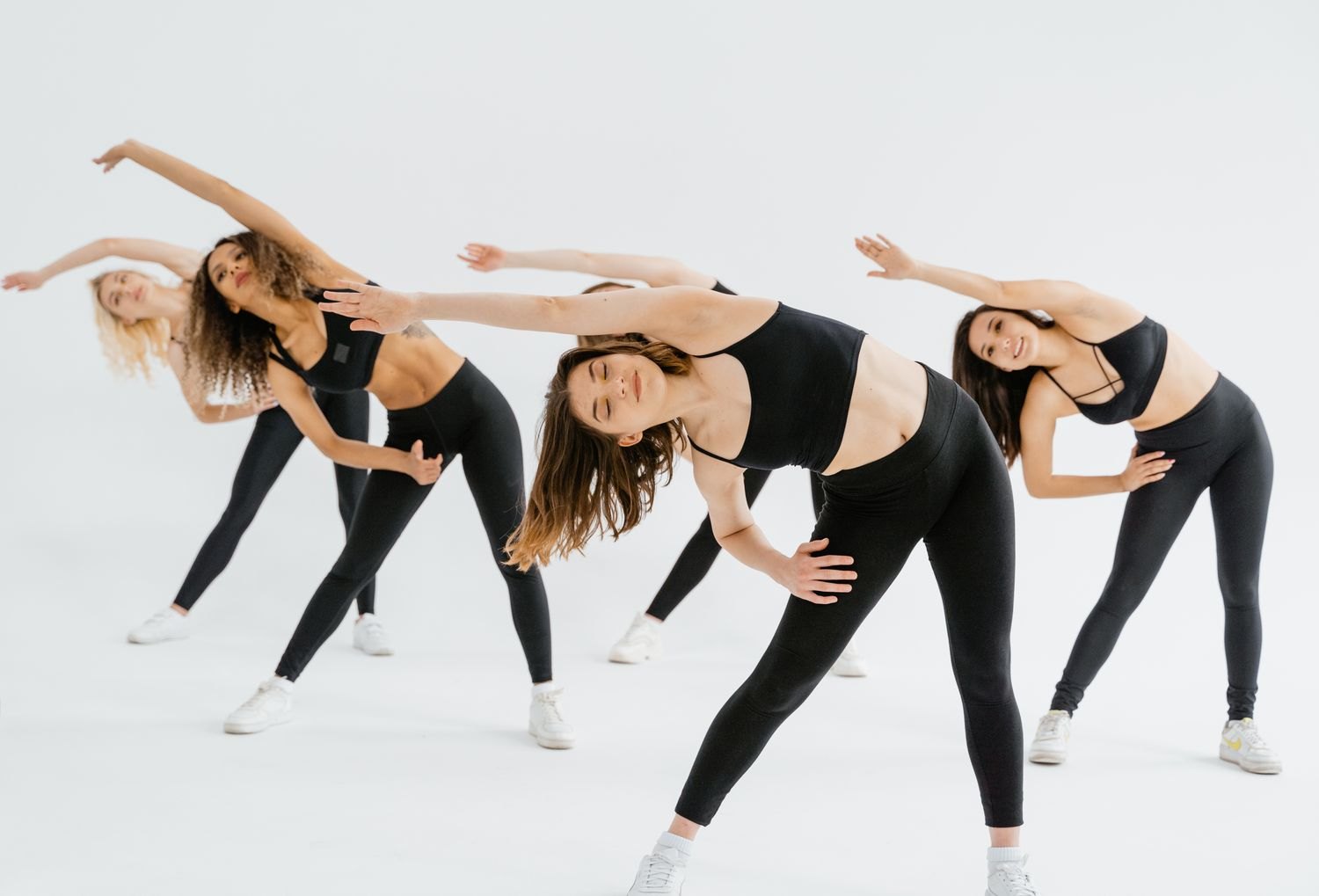
A gentle leg swing and a sustained calf stretch both involve movement around a joint, but they ask you to do different things. One moves repeatedly through a controlled range. The other settles into a position for a period of time. Choosing between them becomes easier when you know what follows.
Before an exercise session, begin with easy activity and gradually rehearse the movements you are about to use. A walker can start with slower steps. Someone preparing to lift can practice the particular exercise with lighter resistance. These dynamic elements bring attention to the upcoming task as well as increasing activity gradually.
Put sustained holds in context
Longer static stretches may fit after exercise, once you have eased the pace, or in a separate flexibility session following a brief warm-up. They are not a replacement for practicing the exercise you intend to perform.
Mayo Clinic notes that sustained static stretching immediately before activities such as running or jumping can modestly reduce performance. That does not mean one brief comfortable stretch ruins a workout, nor does it mean stretching is harmful in general. Duration, intensity and the following activity matter. An athlete with a specific program should follow the timing set by their coach or clinician.
For an ordinary strength session, a practical sequence might begin with easy walking, then several comfortable movements and light rehearsal sets. If a particular stretch has been recommended for your circumstances, use it as directed rather than excluding it because of a slogan about static stretching.
Both methods still need control. Dynamic movement is not permission to throw a limb to its limit. A static hold is not permission to force a joint into a painful position. Reduce the range or choose a different option when the movement is uncomfortable.
Keep the routine proportionate
You do not need a long list of movements before a short, easy walk. Nor should a few arm circles be expected to prepare every detail of a demanding upper-body session. Match the preparation to the work and your own needs.
At the end, avoid promising that stretching will prevent all soreness or injury. Those outcomes depend on more than a brief routine, and stretching is not a guarantee. Use it for an appropriate movement goal or because a comfortable practice fits your day.
The distinction is useful without becoming rigid: move gradually toward the activity before it, and make room for deliberate flexibility work when it suits the session. The labels help you choose, but the actual task decides what belongs.