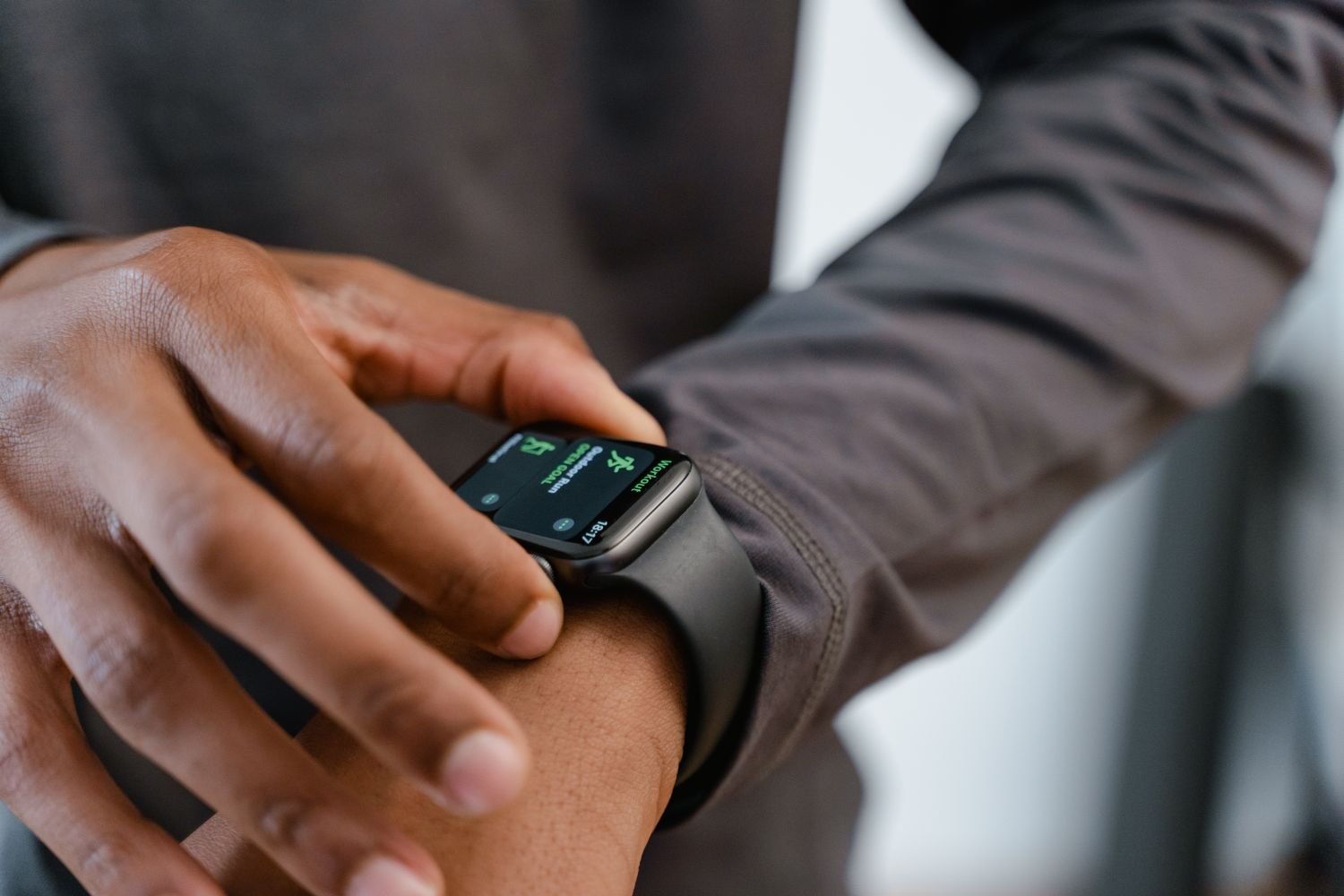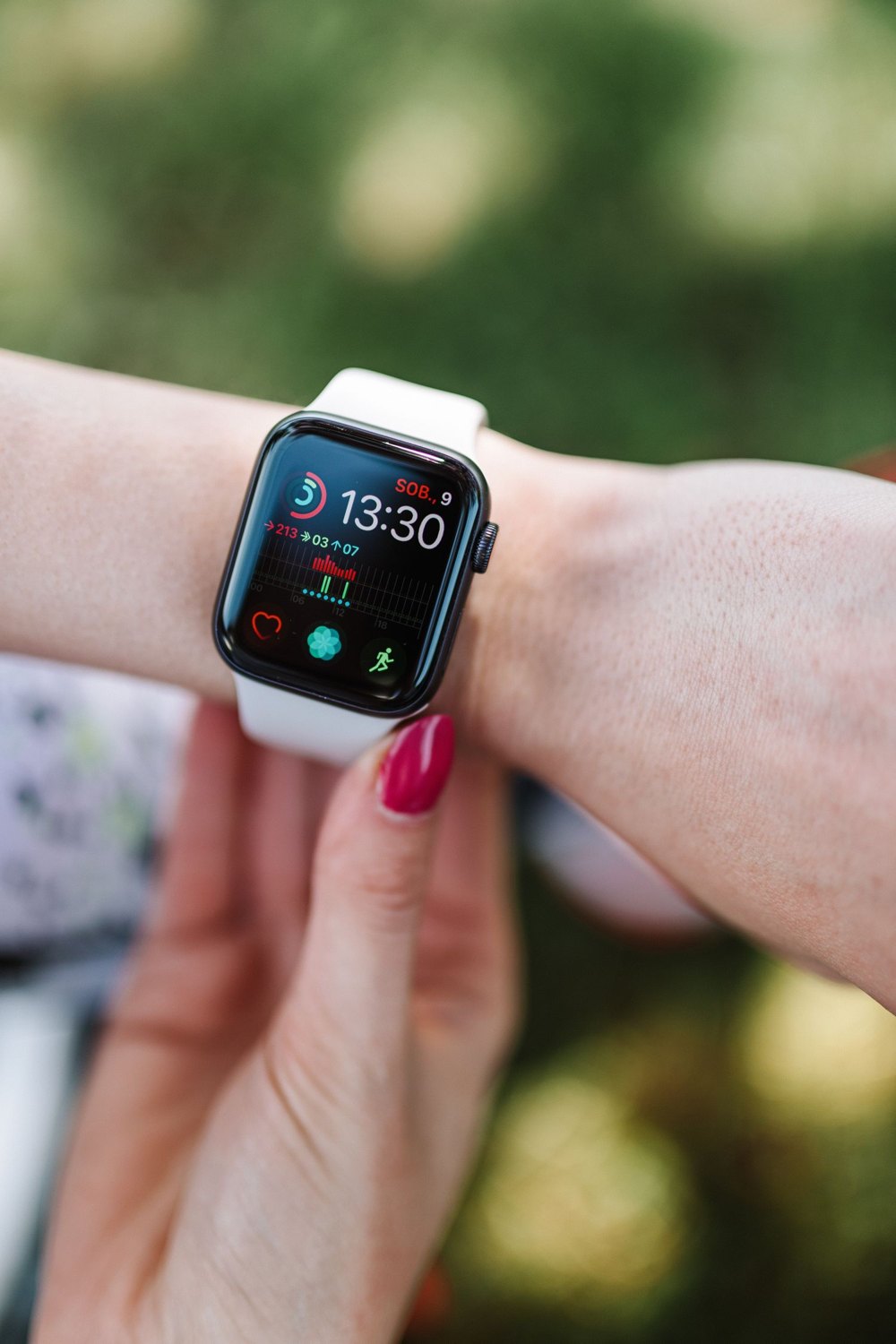
A wrist watch and a chest strap can both display heart rate, but they may obtain the signal differently. Many watches use an optical sensor that detects changes in blood flow through the skin. Common chest straps use electrodes to detect electrical activity associated with heartbeats. The number on the screen can look identical while the route to that number differs.
Polar describes this distinction in its sensor information. It does not mean every strap is perfect or every wrist reading is poor. Fit, contact, movement, device design, and the recording situation all matter. A chest strap worn incorrectly can produce an unhelpful record too.
Check the ordinary setup first
For a watch, follow the maker’s placement and fit guidance. A loose band that lets the sensor move may interfere with the reading. For a chest strap, follow instructions about electrode contact, positioning, and cleaning. Do not tighten either device to the point of discomfort in pursuit of a better graph.
Before buying an extra sensor, identify the problem you want to solve. Perhaps the watch loses readings during a particular activity, or you want to see a record on a separate display. Check compatibility with the exact app and device. A product having wireless connectivity does not guarantee that every feature works with your setup.
Test pairing and recording at home. Confirm which sensor the receiving device is using and whether the data appears where you expect afterward. Keep the instructions available; the method can differ between products and software versions. Do not discover the pairing problem halfway through a planned session.
Cleaning and storage are part of ownership. A chest strap may need the sensor removed before washing, while the connector has its own care requirements. Follow the specific manual rather than putting the entire assembly in the laundry. Battery replacement and charging also differ.
For general exercise, you may not need a second device at all. Breathing, conversation, and perceived effort remain useful observations. Neither a consumer strap nor a watch replaces medical assessment or makes symptoms safe to ignore. Choose another sensor because it answers a clear recording need, not because owning two measurements must automatically make your training better.