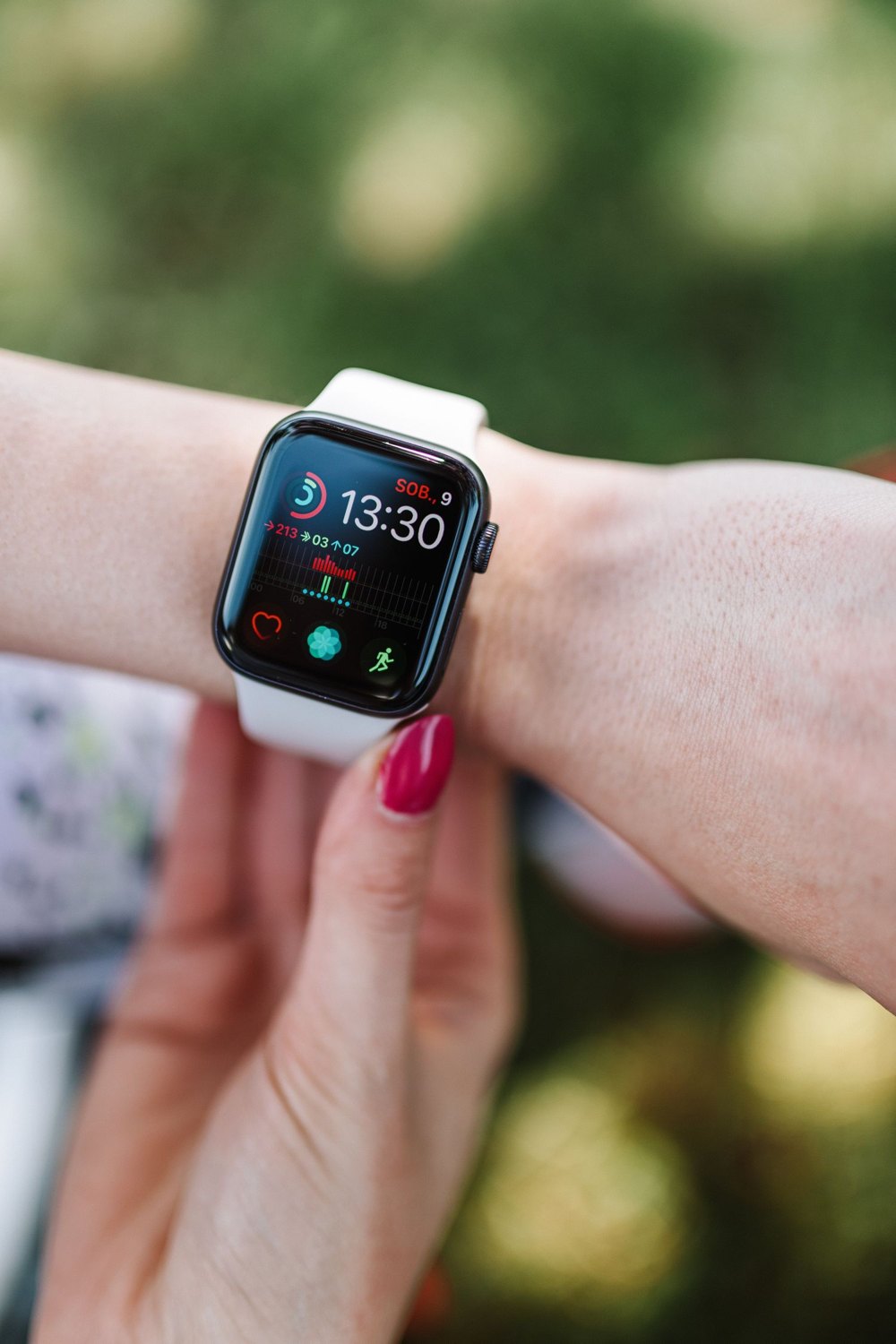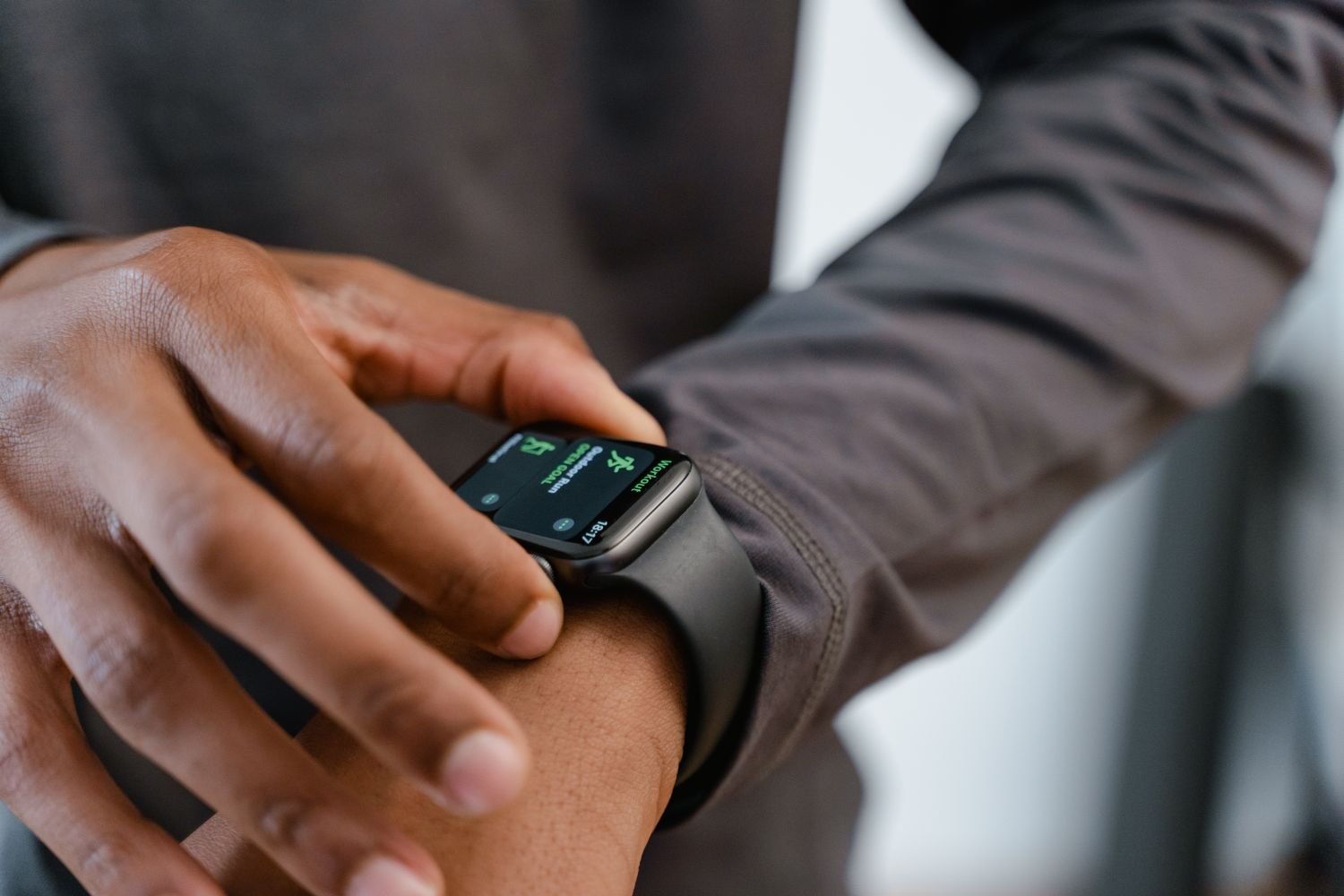
A fitness watch can record a walk while you are thinking about something else. It can also turn an ordinary outing into a collection of scores that appear more definite than they are. Knowing which numbers are measured directly, estimated, or interpreted by software helps you use the record sensibly.
Time is straightforward. Distance may depend on location data or estimated movement. Heart rate relies on a sensor and a usable signal. Calorie expenditure, readiness, and training scores involve further assumptions. These values do not all deserve the same confidence simply because they share a screen.
Start with the question
If you want to know whether you walked more regularly this month, dates and duration may be enough. If you want to compare a familiar route, distance and your own notes about effort can help. You do not need every available metric to answer either question.
Wrist heart-rate readings can be affected by fit, movement, and other conditions. Apple’s support information explicitly notes that reliable readings are not possible for everyone at every moment. An unexpected spike may warrant checking the fit and context; it should not be treated automatically as a precise account of what happened inside your body.
Symptoms take priority over a reassuring display. Do not continue exercising through chest pain, faintness, or other concerning symptoms because a watch shows a normal number. Conversely, repeated unexpected readings or alerts deserve appropriate medical discussion rather than an attempt to diagnose yourself from charts.
Compare like with like
A familiar walk in similar conditions gives a more useful comparison than two completely different sessions. Heat, hills, a heavy bag, interruptions, and how well you slept can all change the experience. Write a short note when something unusual happened. It can explain a graph more clearly than another layer of automatic scoring.
Avoid changing a training plan because of one imperfect recording. Look for a pattern alongside how you feel and what you actually did. A missed session in the app may be a forgotten button press, not a missing walk. The activity still happened.
Check privacy and sharing settings before collecting routes near home or work. Decide whether you want automatic uploads and who can view the records. Export or delete options may matter if you later change services. Useful data should remain something you choose to collect.
The watch is most helpful when it reduces the work of remembering. It becomes less helpful when you feel obliged to satisfy every alert or reinterpret every ordinary day through its score. Keep the measures that answer a real question and let the rest remain optional.