Two people can use the same small space successfully without using the same routine. The arrangement becomes easier when each person knows when the area is available, what must stay clear and how the room should look afterward.
Start with the room's ordinary uses. If it is also a living room or home office, identify times when exercise is least disruptive. A short agreed window is often more workable than leaving equipment out all day in case someone wants it. Keep the route to doors and essential household items available.
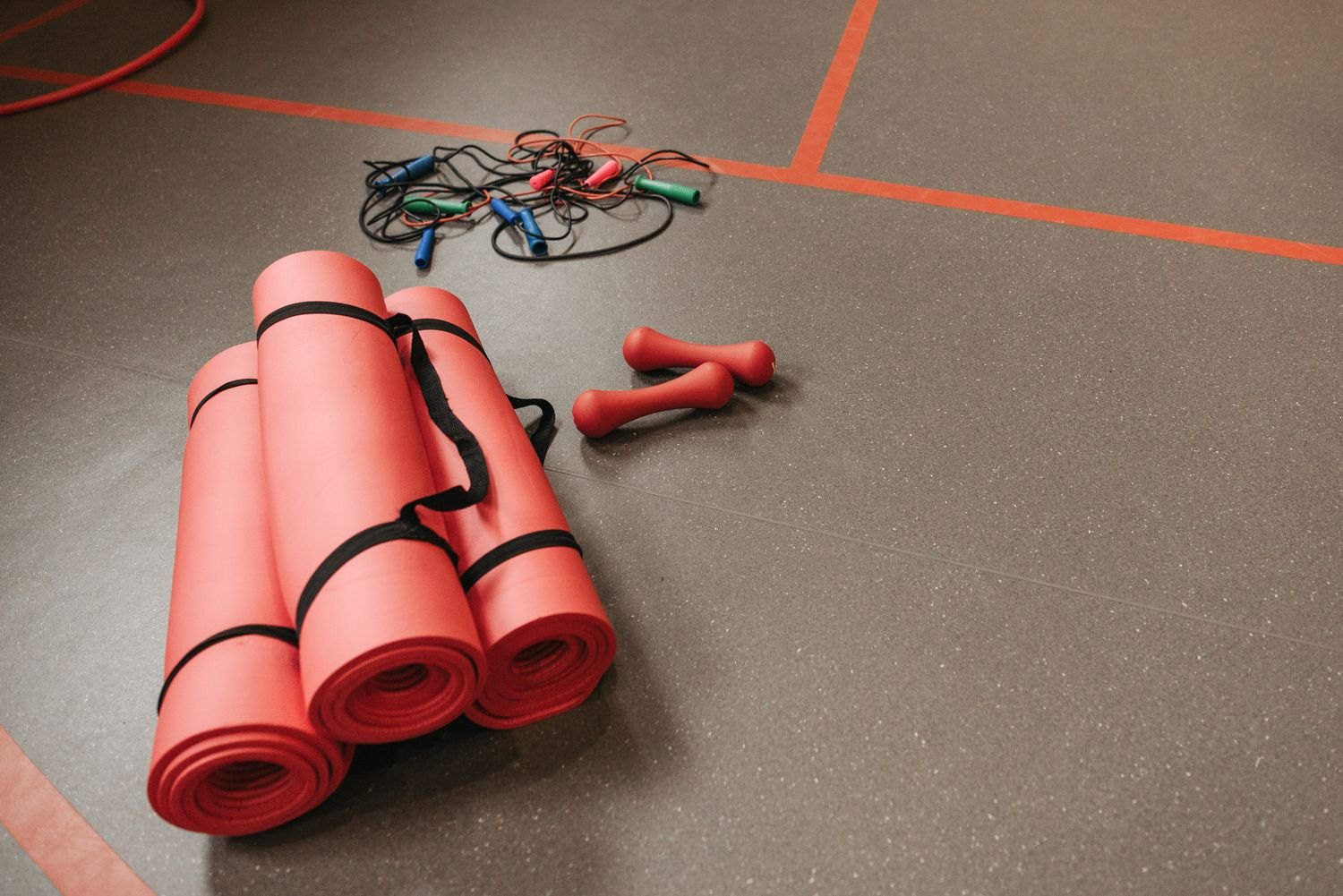
Give each piece of equipment a definite storage place. Heavy items belong in suitable stable storage, and anything that can roll needs a dependable resting position. Avoid a system that requires one person to lift equipment they cannot comfortably handle just to reach their own mat.
Shared equipment still needs individual settings
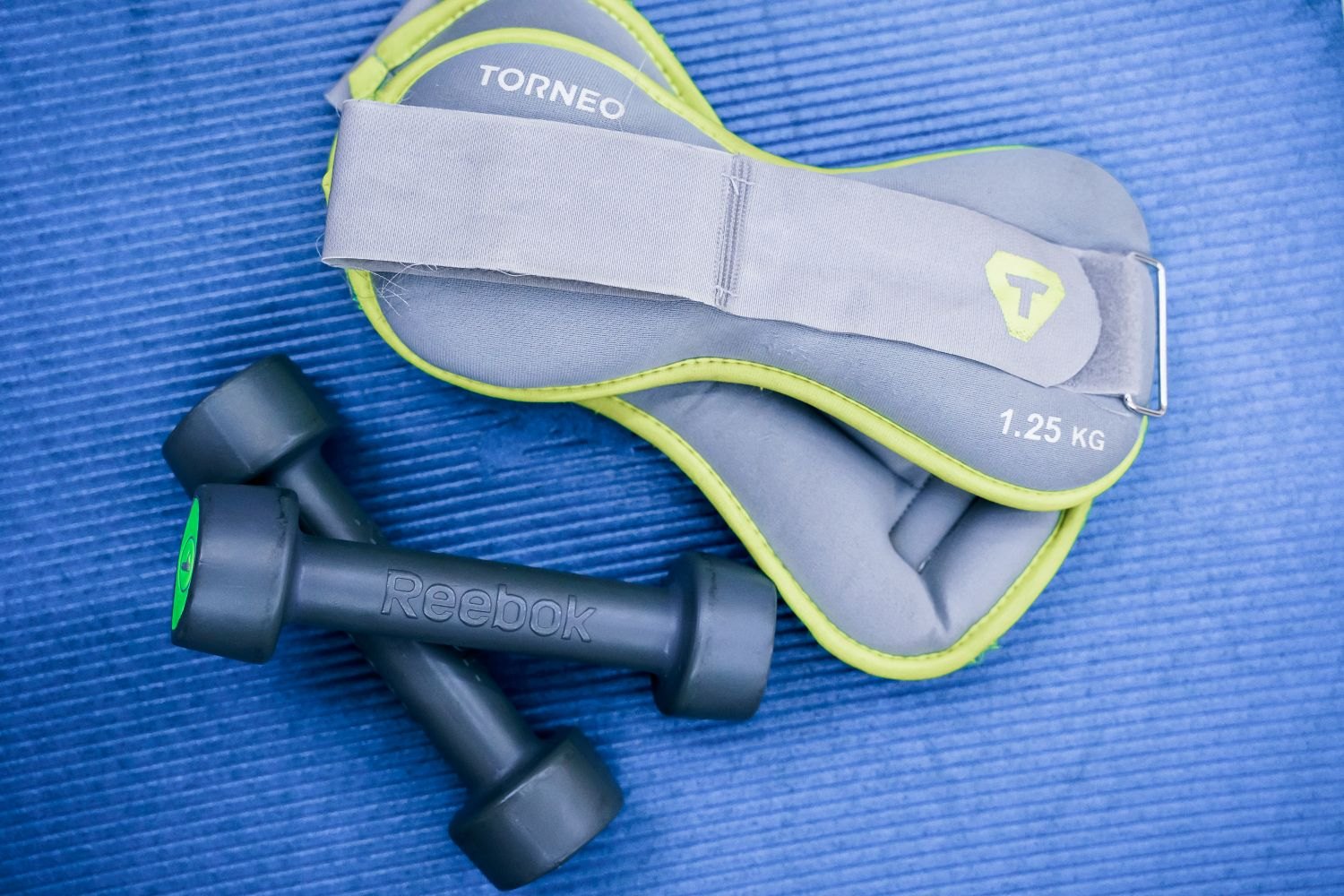
Write down or remember your own loads and machine adjustments. Do not assume the setting left by the previous person is suitable. Inspect adjustable equipment after every change, following the manufacturer's instructions. A quick handover should include anything unusual, such as a selector that resisted movement or a band that showed wear.
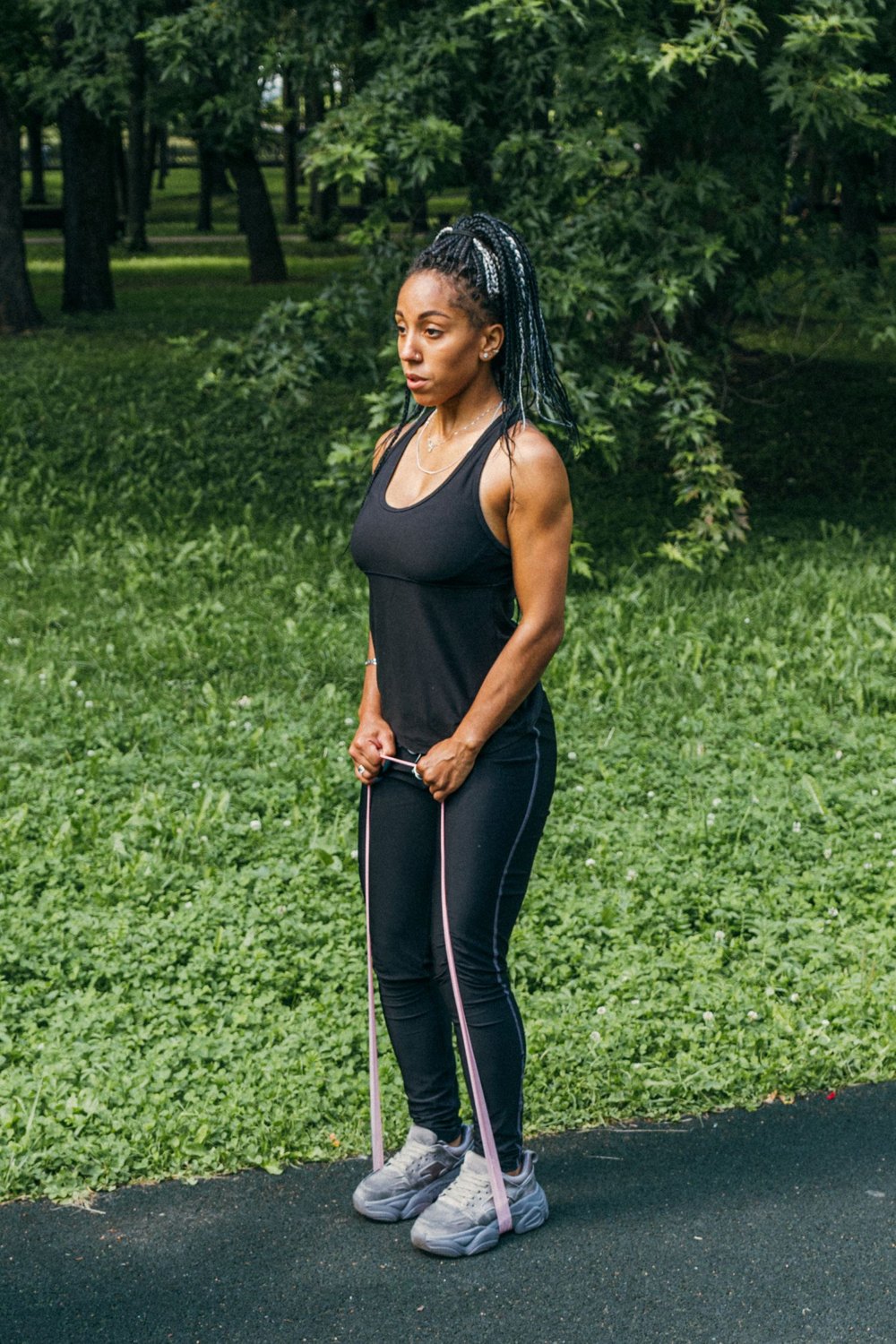
If one person uses a doorway anchor, remove it when finished unless the product is designed and installed for permanent use. The next person should not discover a strap on a door while trying to carry something through. Temporary setups need to return to ordinary household use.
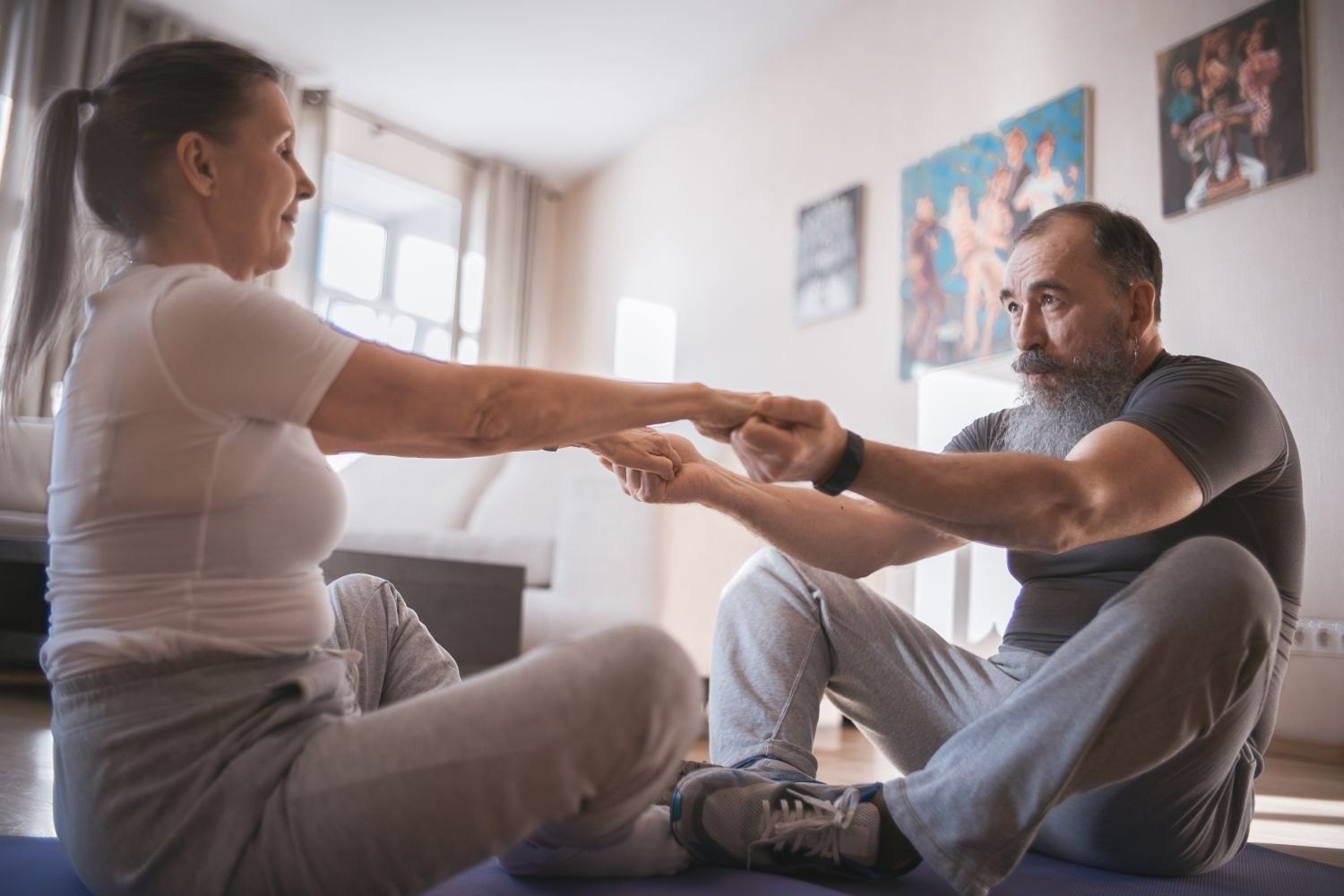
Using the room simultaneously requires enough space for two complete movement areas. That includes the path of weights and bands, not merely room for two mats side by side. If you cannot keep those paths separate, take turns. Working out together does not require exercising at exactly the same moment.
For a household with different schedules, a simple handover message may be enough: the room is available again, the floor is dry, and the equipment has been put away. There is no need to monitor each other's training. The information being shared concerns the space, not whether anyone exercised long enough.
Keep personal items easy to distinguish. Separate towels and a clear place for each person's shoes prevent the equipment area from becoming a pile of unrelated belongings. Where a device or mat is shared, follow its cleaning instructions and allow any necessary drying time. A tightly packed storage box should not force the next user to take out damp equipment.
If one person regularly needs a longer setup, agree on whether that time is included in the booking. Otherwise, the next session can start with someone dismantling an anchor while another person is already laying out weights. A small gap between uses can be more useful than fitting the timetable together perfectly on paper.
Make the reset specific
Agree on a few visible actions: equipment back in place, mat cleaned and dried as appropriate, floor clear, and device cables removed. A vague request to leave things tidy can mean different things to different people.
Keep preferences separate from safety requirements. One person may enjoy music while another prefers quiet; that is a scheduling conversation. A loose weight in a walkway or a damaged band requires correction regardless of preference.
Review the arrangement after a week of ordinary use. If both people keep moving the same item out of the way, it needs a different home. The space should support separate routines without either person feeling that they are borrowing someone else's obstacle course.