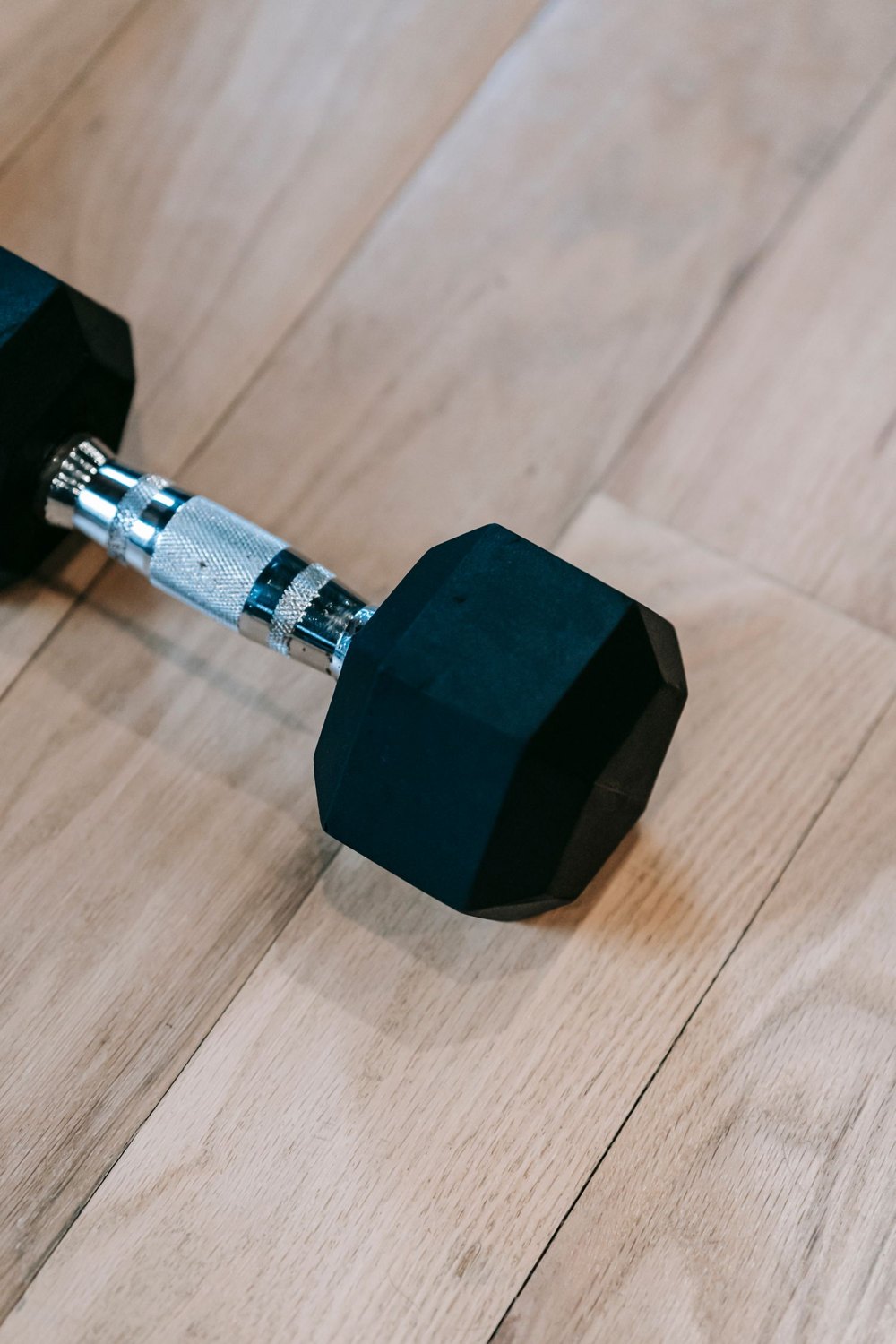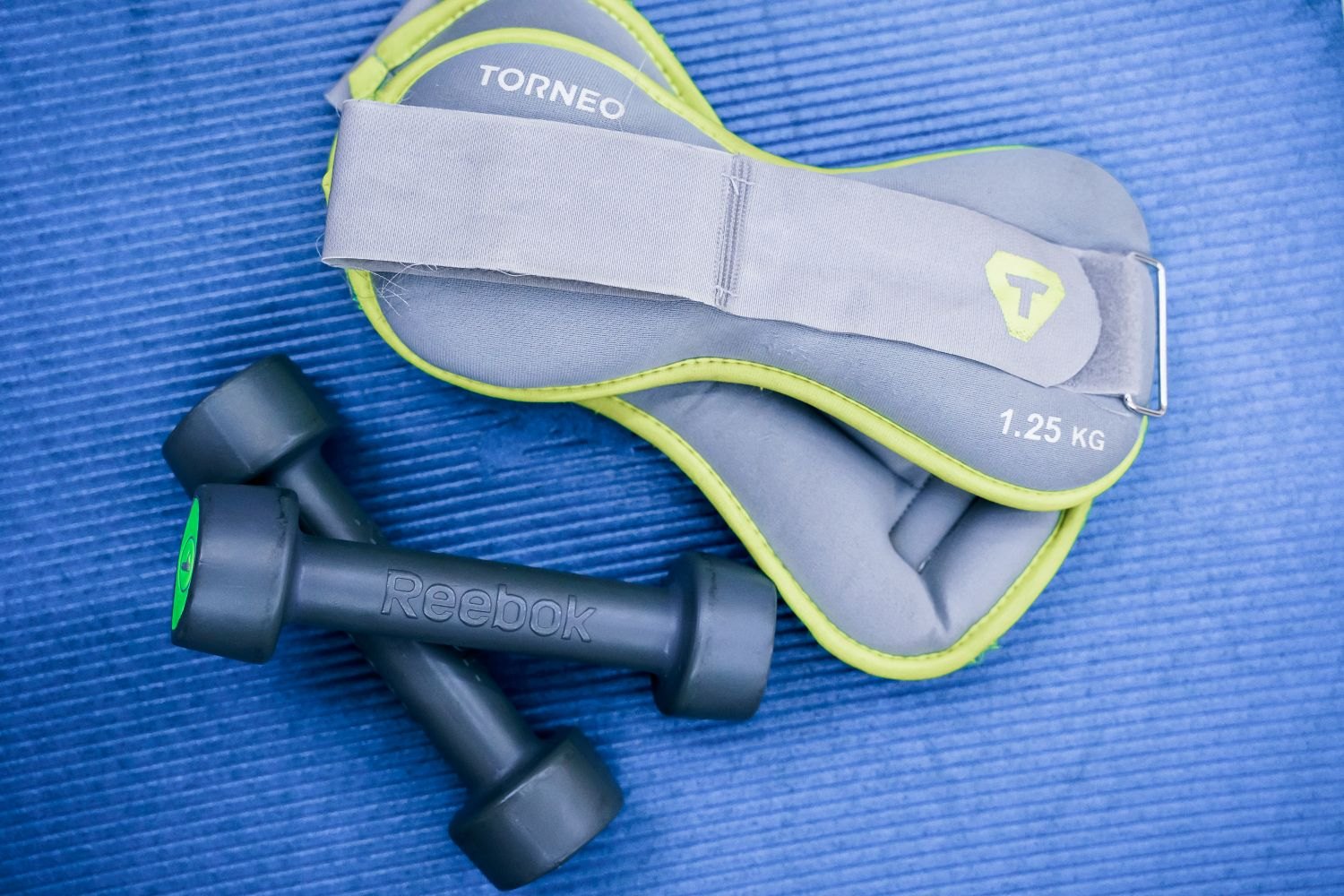
Before buying anything, describe the problem in one sentence. Perhaps you cannot find a suitable load for a row. Perhaps you rarely begin the session at all. Those are different problems, and only one is obviously connected to equipment.
If the existing setup is awkward, try changing its location or the exercise order first. A weight stored behind several boxes may be perfectly suitable once it is accessible. A mat that never gets used may be waiting for a clear patch of floor rather than a more expensive replacement.
Look for a missing function
A useful purchase makes something specific possible or easier. It might offer a manageable resistance step, provide a suitable surface, or replace an item that is damaged. Write down that function before comparing products. If the description remains vague, such as making the routine more motivating, the purchase may not resolve the actual difficulty.
Consider whether you know how to use the equipment you already own. An instruction session, a clearer routine or time spent practicing a familiar movement may be more useful than another variation of the same tool. More choices can make it harder to decide what to do when the available time is short.
Borrowing or trying equipment in a suitable setting can reveal whether the missing function matters. Notice its size, adjustment process and storage needs, not just how it feels for one repetition. An object that solves a training problem while creating a daily household obstacle may be a poor fit.
Make a place before making a purchase
Identify where the item will be used and stored. Check floor space, safe retrieval and any installation requirements. Avoid assuming that you will solve those questions after delivery. A doorway anchor is not helpful if you cannot establish a compatible door, and a bench is not helpful if you cannot move around it.
Keep a short trial period for the current routine. If a specific limitation repeatedly appears, you will have better information for choosing equipment. If the limitation disappears after a simpler schedule or clearer exercise list, you have saved both money and space.
Sometimes a new item is the right answer. The point is to buy for a demonstrated need rather than for the feeling of beginning again. The routine should be clearer after the purchase, with a definite job for the thing you bring home.