Reaching the top can create a false sense that the demanding part of a walk is finished. The descent still requires attention, particularly on steps, loose gravel, or wet ground. Save time for it instead of treating the return as the section where you can recover a late start.
Begin the downhill stretch at a pace that lets you place your feet deliberately. Avoid letting momentum choose your speed. Shorter, controlled steps may feel more manageable than reaching far forward, but there is no single stride that fits every surface or person. The immediate goal is a pace you can comfortably control.
Look ahead without missing the next step
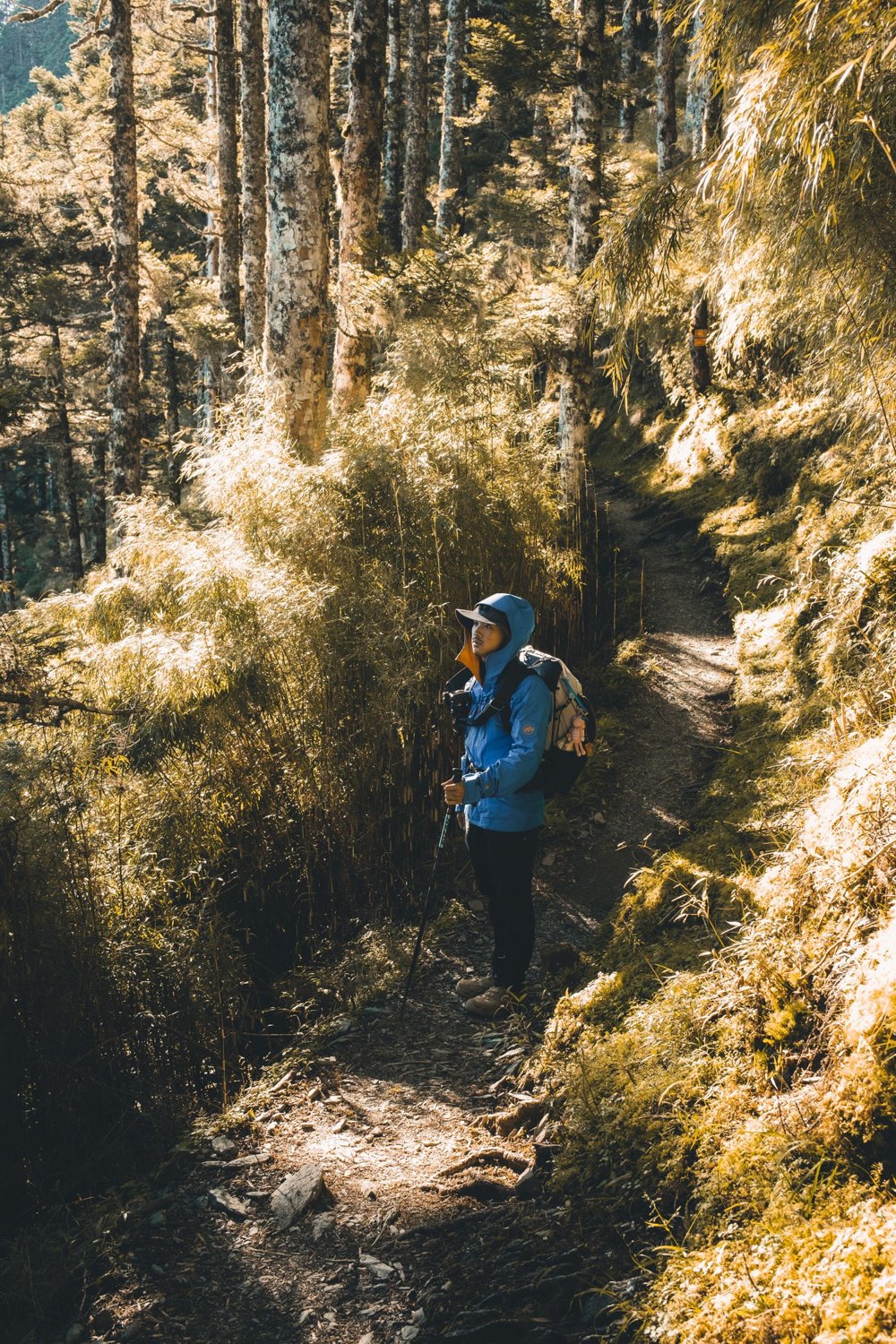
Scan the path for changes in surface and then pay attention to where you are placing your feet. Stop for a photograph or a longer look at the view. Trying to admire the landscape while stepping down uneven ground divides attention at an inconvenient moment.
Leave enough space between walkers. Following closely can hide obstacles and pressure the person ahead to move faster. If somebody wants to pass, use an established suitable area and let them go. Do not step onto a fragile or unstable edge simply to avoid a brief pause.
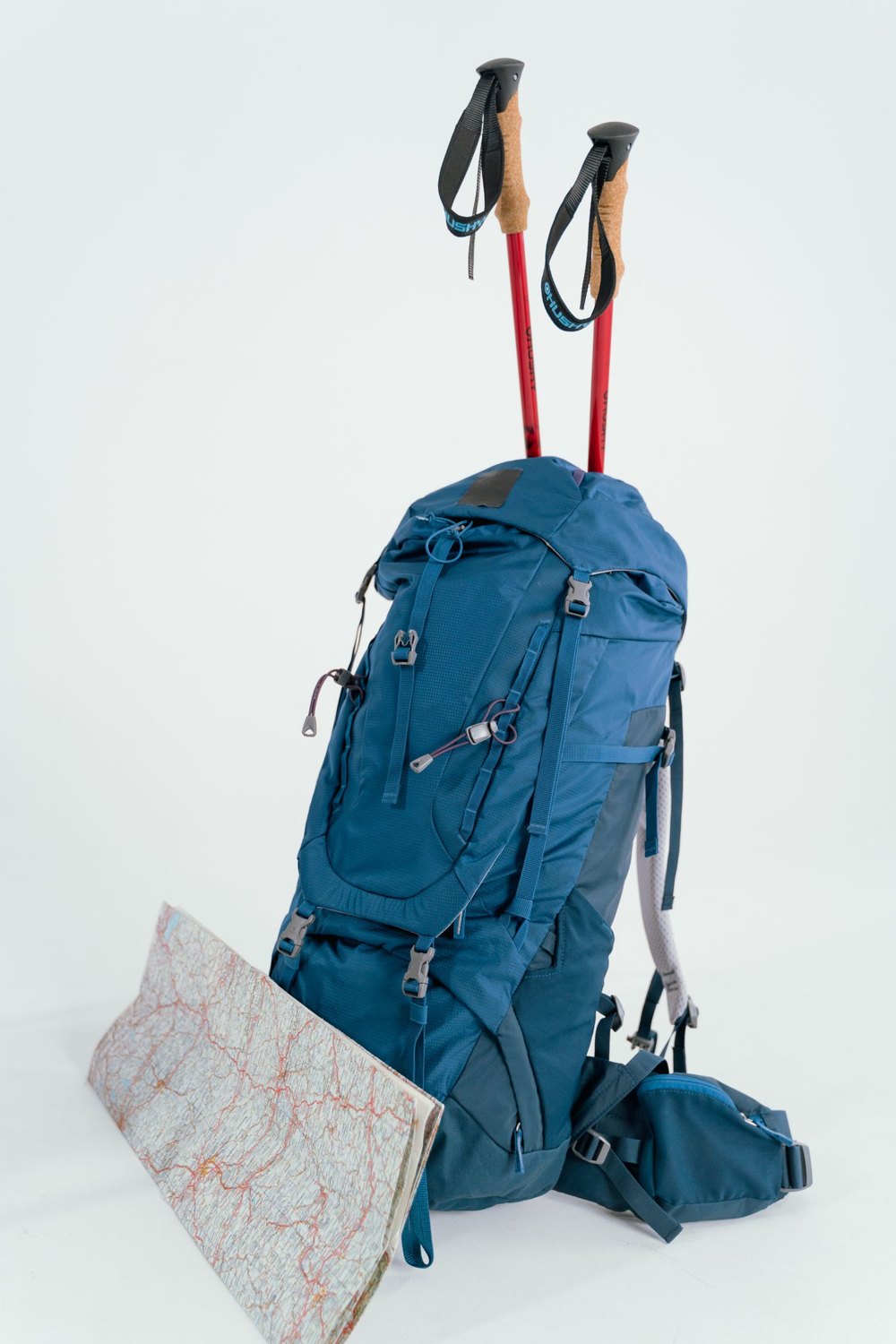
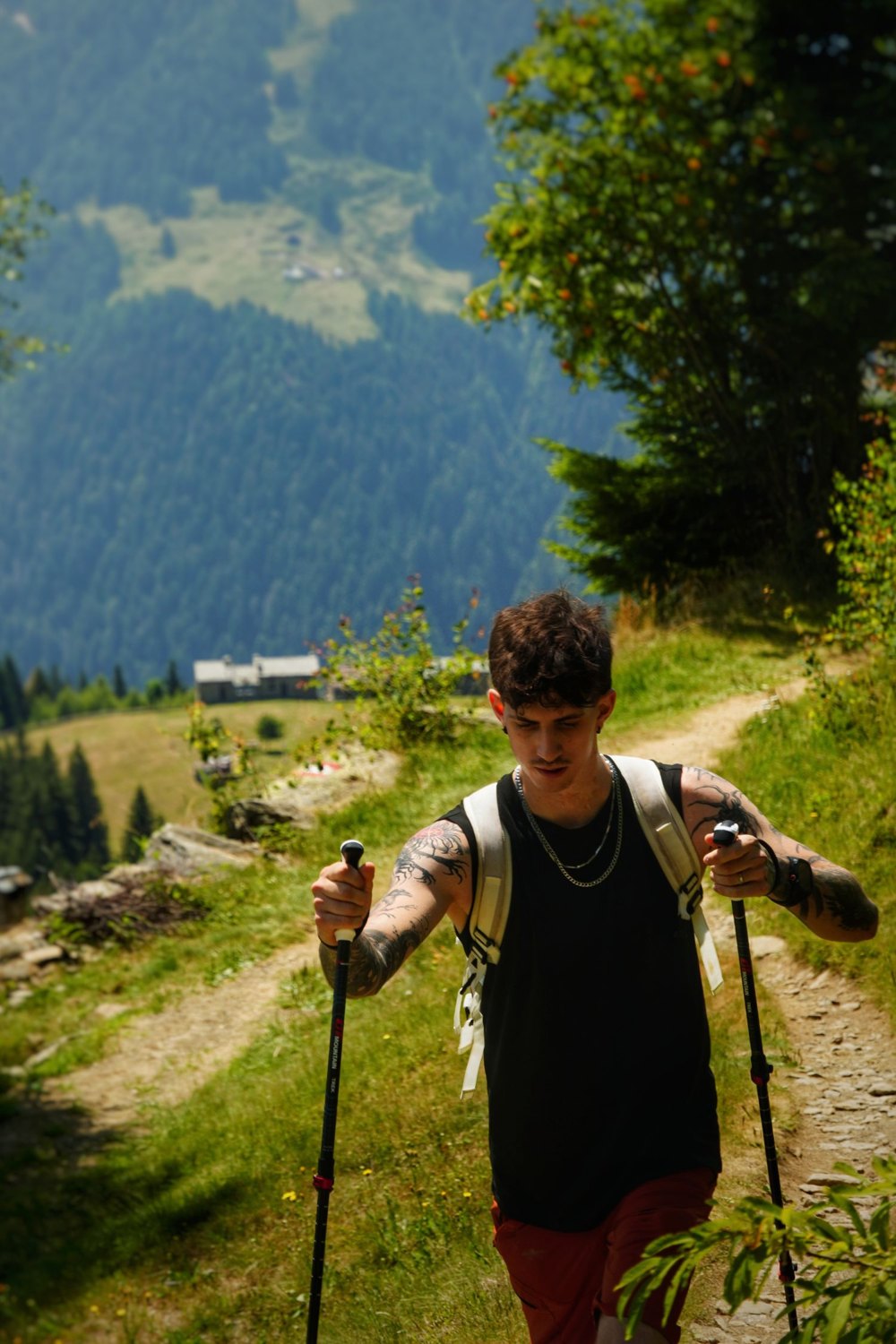
Secure loose equipment before the descent. A swinging bottle or an open pack pocket is distracting. If you use poles, adjust and check them while stopped rather than attempting to change the length while walking. Poles do not make slippery terrain harmless, and they require their own careful placement.
Use breaks before fatigue makes each step feel rushed or clumsy. A safe stopping place should be wide enough for other users and away from exposed edges. Take the time to adjust a rubbing shoe or layer instead of deciding that the car is close enough to ignore it.
If the descent is substantially harder than expected, reconsider the route and seek reliable local guidance where available. Do not solve discomfort by taking an unmarked shortcut down the slope. A line that looks direct may be steeper, unstable, or closed.
For the next walk, record how the return actually felt. A route that was comfortable uphill but awkward downhill may not be the right choice for a longer day. Planning with that knowledge is more useful than judging the whole outing by the moment you reached its highest point.