A well-packed small bag does not need many compartments. It needs a sensible answer to a few ordinary moments: it starts raining, you want a drink, a shoe begins rubbing, or you need to check the route. Organize around those moments rather than around how neatly the contents look on a table.
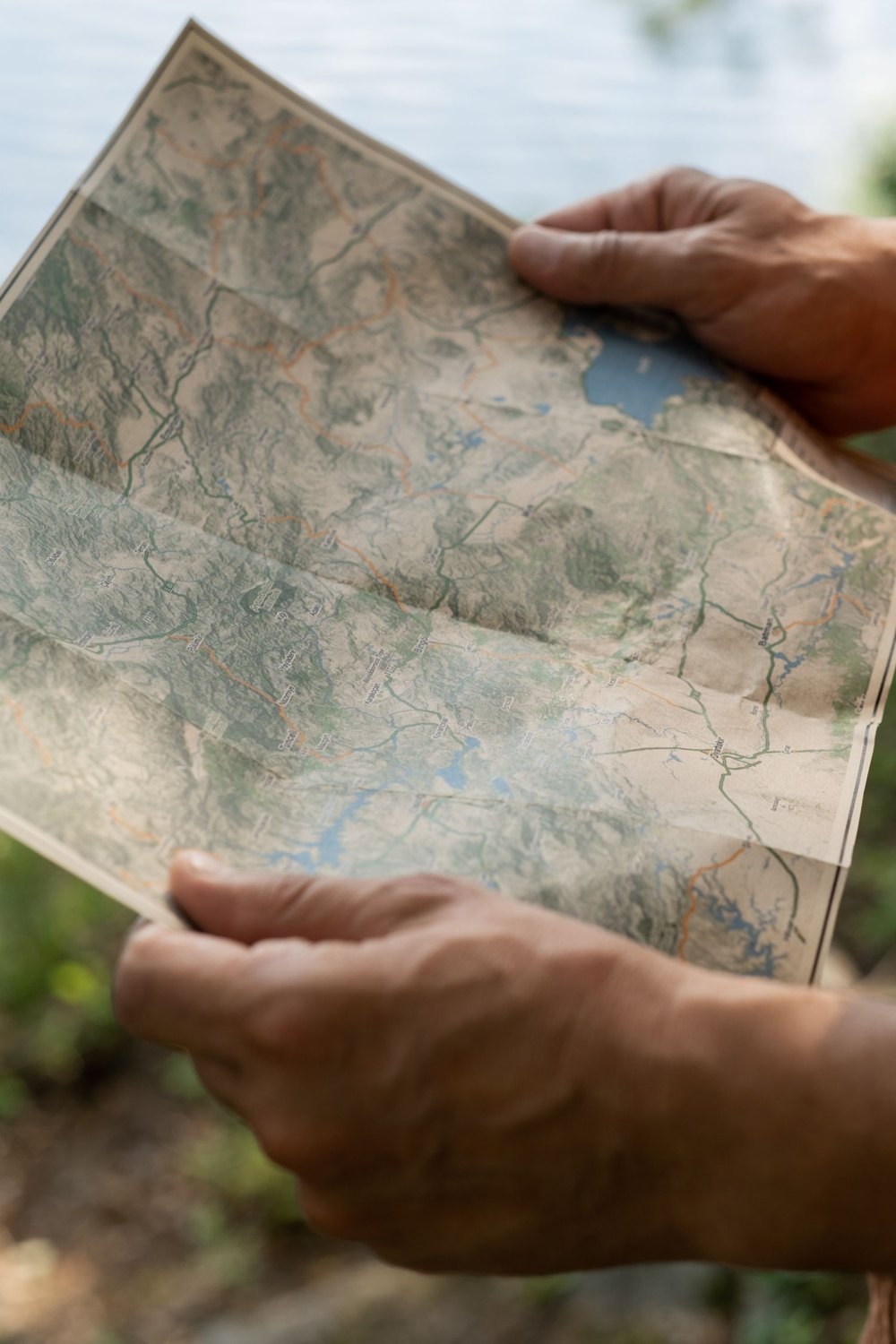
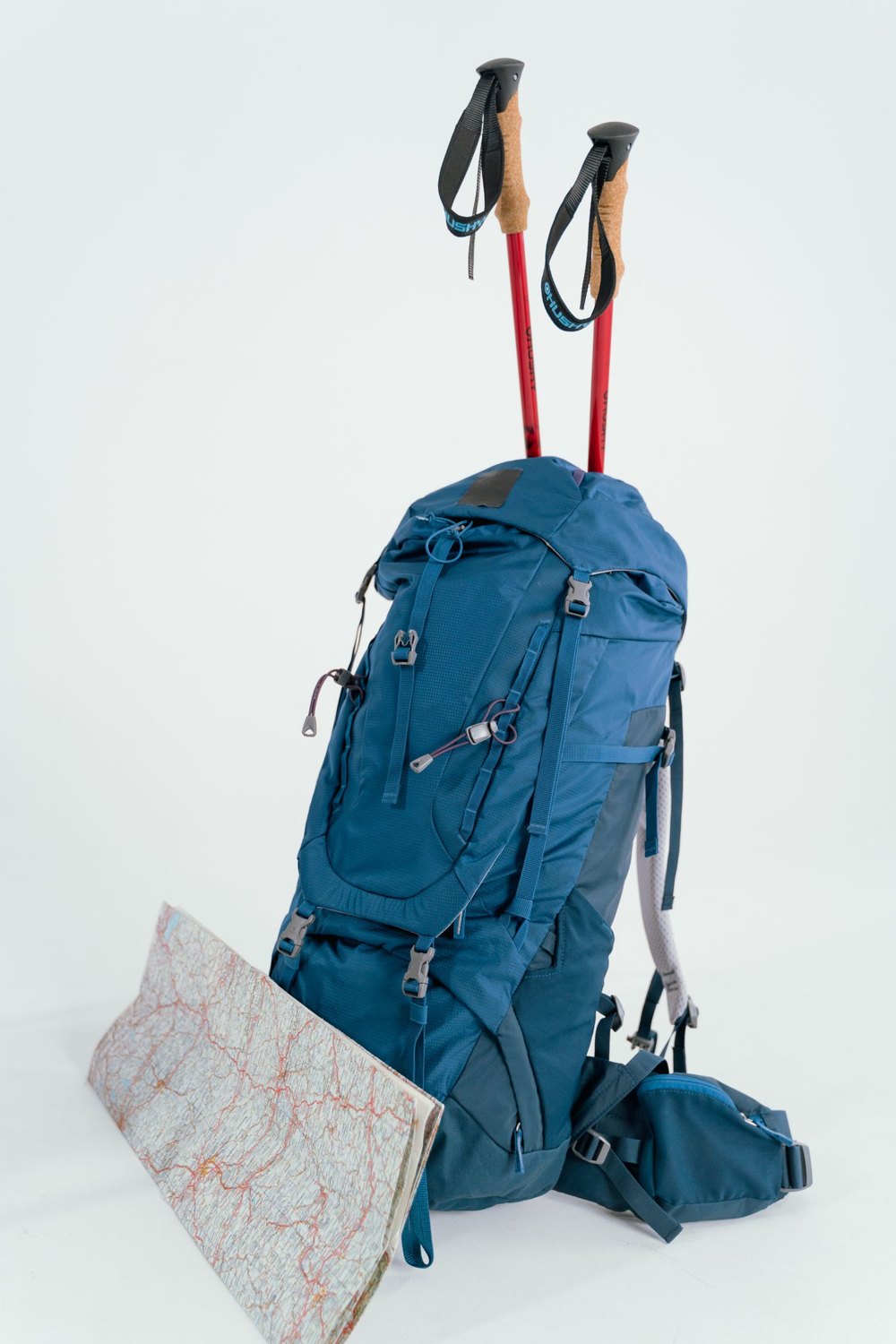
Put frequently used items where you can retrieve them without dismantling the whole bag. Keep the map, snack, and weather layer accessible. Secure your keys separately so that opening a food pocket does not spill them onto the path. A clipped key loop inside a closed compartment is more dependable than a loose outside pocket.
Make important items recognizable
A small pouch can keep first-aid supplies together, but avoid filling it with unrelated objects. If several people share equipment, explain where the essential items are. A companion should not need to search every zipper while you describe the color of an anonymous bag.
Keep dry items protected from leaks and rain. Separate food packaging from a container that may become wet, and check that bottle lids are fully closed. Place hard objects so they do not press against your back. Soft clothing can help with arrangement, but it should not make the rain layer impossible to reach.
Leave a little space for what changes during the walk. The jacket you wear at the start may need to fit inside later. Lunch packaging also comes home. A bag packed so tightly that every item must return in one exact order becomes irritating at the first stop.
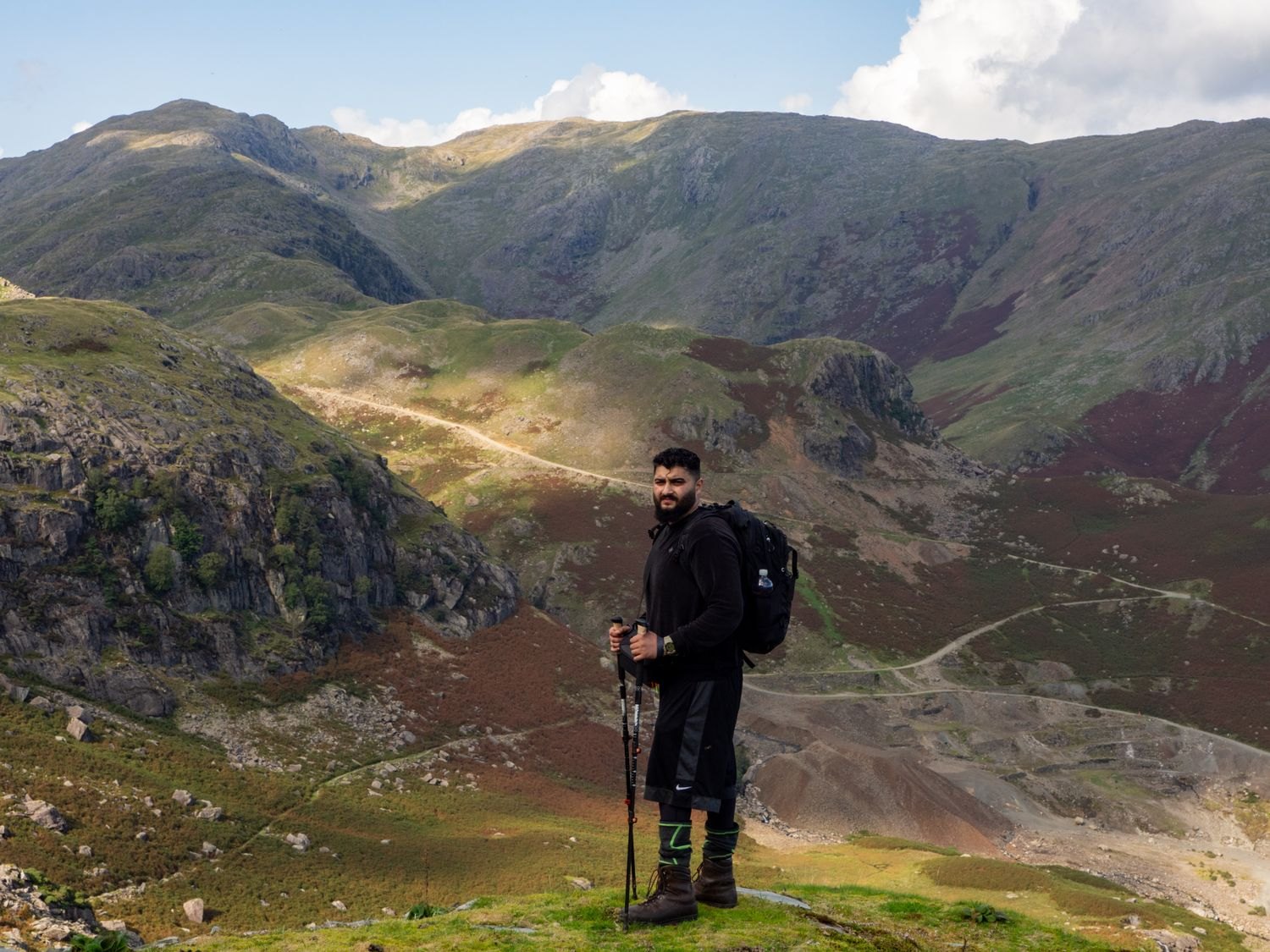
Try the loaded pack before leaving. Retrieve the bottle, remove the jacket, and close everything again. Check whether straps or loose cords catch your hands. This rehearsal takes less time than repacking on a windy path and may reveal that one pocket is less useful than it looked.
After the outing, empty enough of the bag to dry damp contents and remove food. Replenish used supplies before putting the kit away. Avoid treating a permanently packed bag as permanently ready; batteries, food, and first-aid items need periodic attention.
Keep the arrangement familiar but adaptable. A warm short walk and a cool remote trail may need different contents. The organizing principle can stay the same: items are protected, the load is comfortable, and the things you are likely to need first are not hidden underneath the things you hope not to need at all.