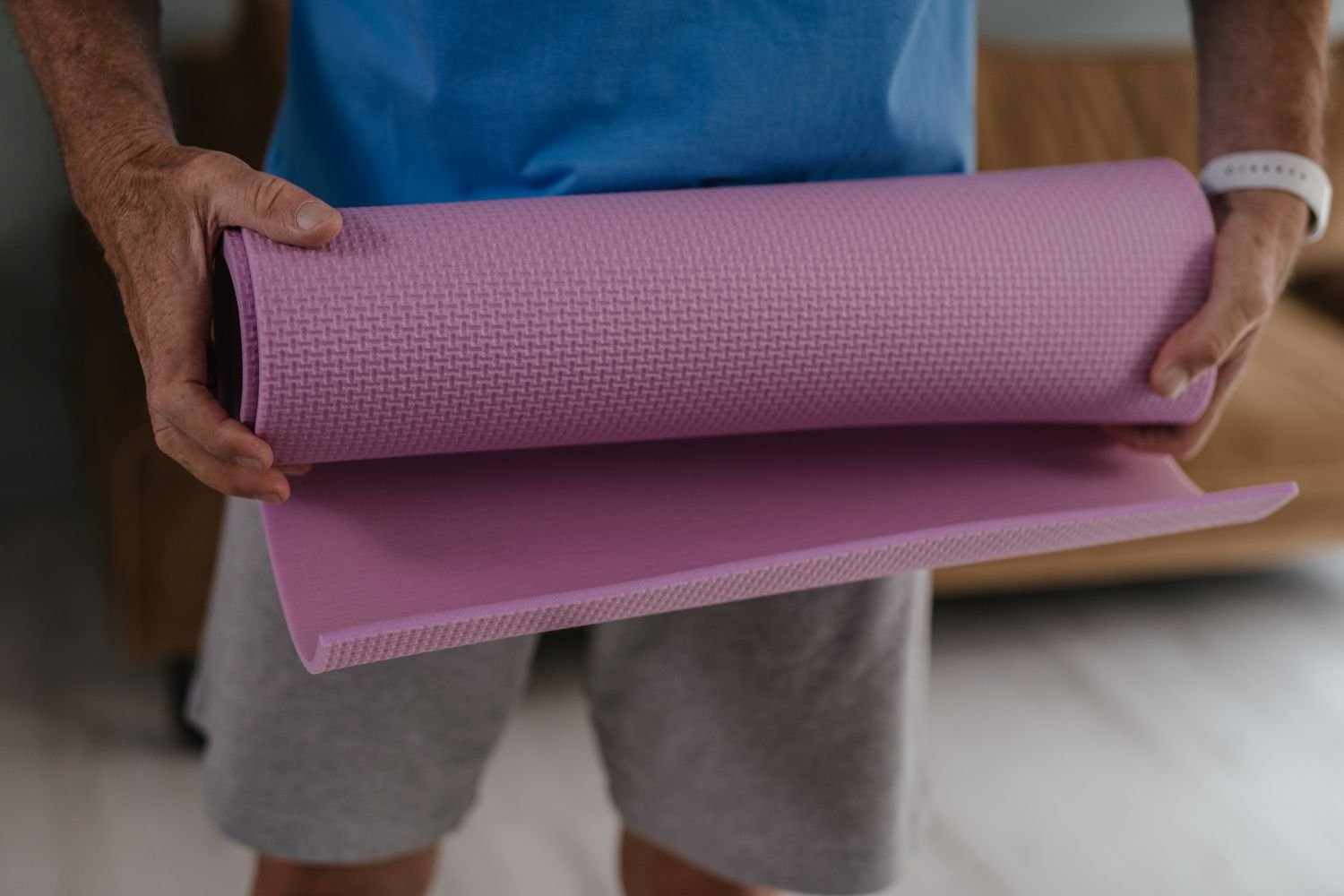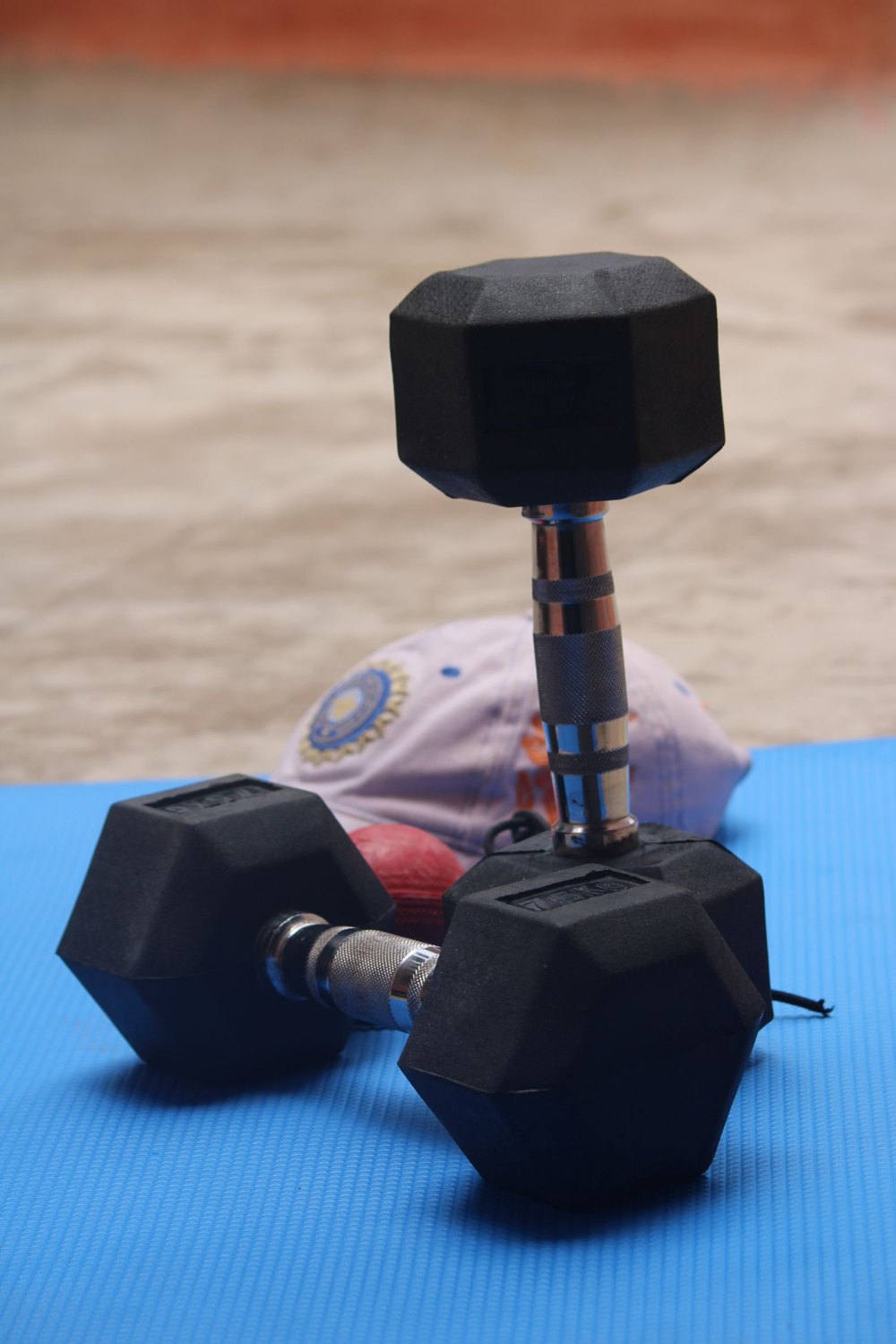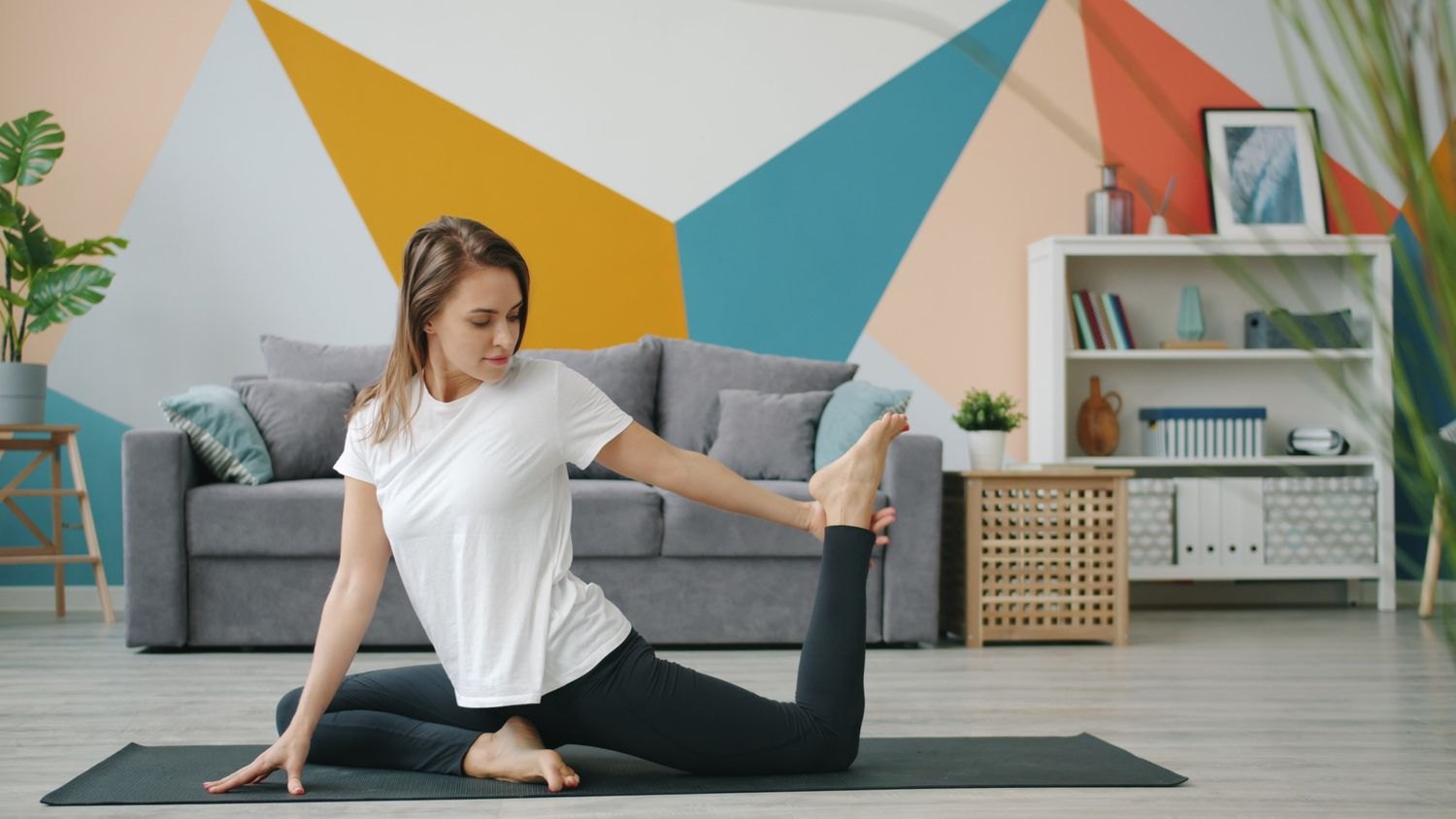
If every piece of equipment is ready for the hardest part of the session, it is easy to skip straight to that part. Arrange the room so the first thing you can do is an easier version of the work ahead.
That might mean leaving a clear patch for gentle movement before bringing the main weight into position. If you plan to lift, put the lighter warm-up option where it is easy to reach. If the session is bodyweight work, begin with comfortable rehearsal movements that use the same general positions.
The warm-up should relate to what follows. Easy walking or marching can begin a transition into activity, but a session with a new squat or row also benefits from practicing that movement at an easier level. A collection of unrelated stretches does not automatically prepare you for the specific setup you are about to use.
Use the opening minutes to learn something
Notice whether the floor grips, whether clothing catches and whether the room is warm enough to move comfortably. Check how the planned range feels today. If a movement is unexpectedly painful or difficult to control, change the session rather than interpreting the warm-up as something to endure before the real work.
Do not make the warm-up so elaborate that it becomes a barrier. A short sequence of familiar, gradually more specific movements is often easier to repeat than a long list that requires several pieces of equipment. The goal is preparation, not exhaustion before the main activity.
If a video begins abruptly, pause it and take your own preparation time. The recording may assume that viewers have already warmed up, or it may simply move too quickly for you. Its starting point does not have to be yours.
Keep the arrangement visible
A small note with the first movement can help when you arrive distracted. So can placing the lighter weight in front of the heavier one, provided the storage remains safe. Avoid reminders that leave equipment in a walkway overnight.
After a few sessions, retain the parts that serve a clear purpose. Perhaps a gentle rehearsal reveals how much room you need for a step, or a lighter set helps you choose today's load. Those observations make the warm-up useful in its own right. It becomes the beginning of the session, not a separate ritual you have to persuade yourself to complete.