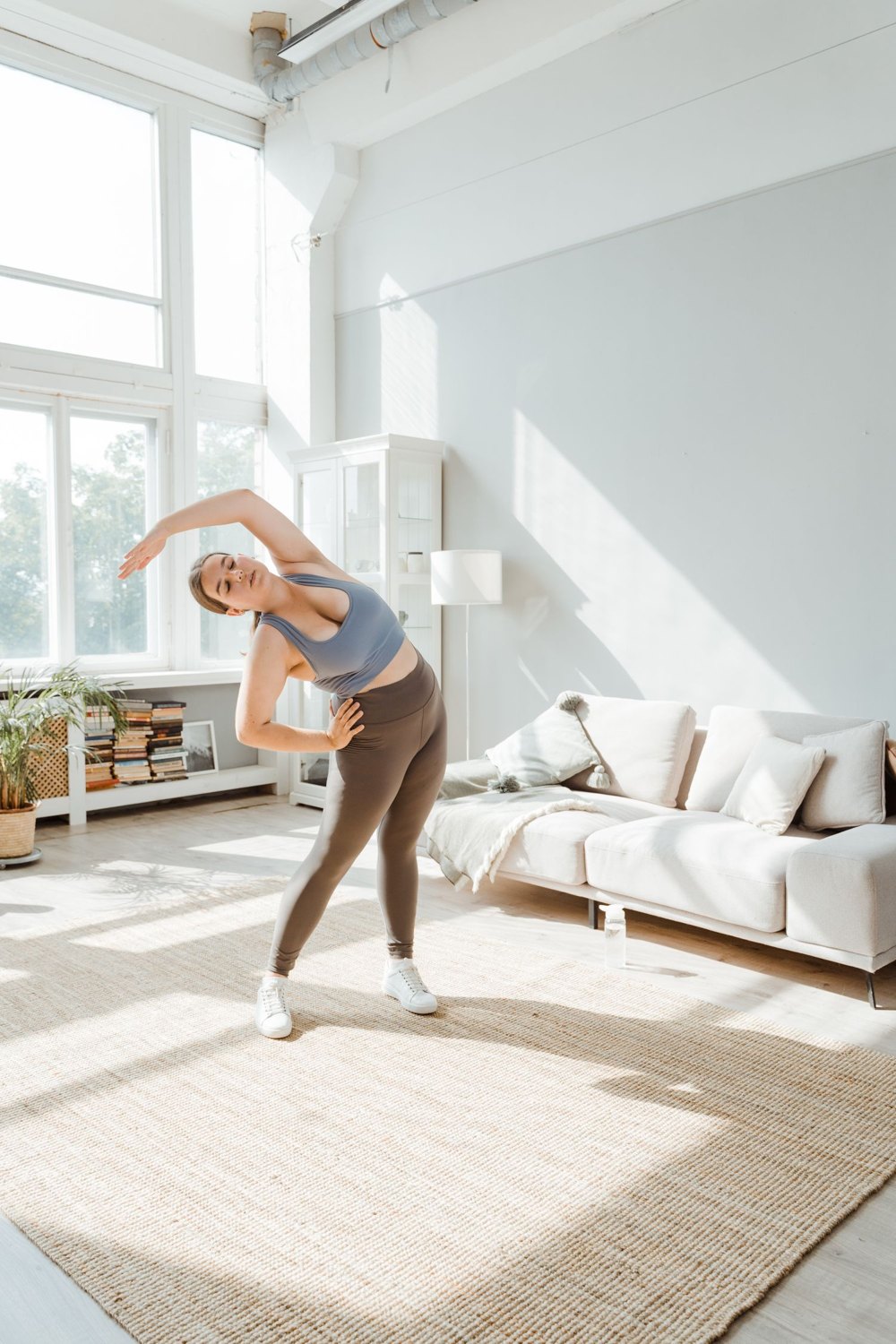
The useful part of a home workout corner is usually the empty space. A rack of equipment can look convincing while leaving nowhere to step backward or lower a weight. Before buying storage, stand where you expect to exercise and rehearse the movements without resistance. Reach, hinge, step to each side, and lie down if your session includes floor work. Notice what comes within reach of a hand, foot, or moving weight.
Allow for the beginning and end of an exercise, too. You need somewhere to pick up a dumbbell and put it down, not just room to hold it. A narrow strip between the sofa and a glass table might accommodate a mat but still be unsuitable for a workout. Move fragile objects, loose rugs, cables, and anything that could slide into the space. Keep a clear route to the door.
Storage follows the equipment
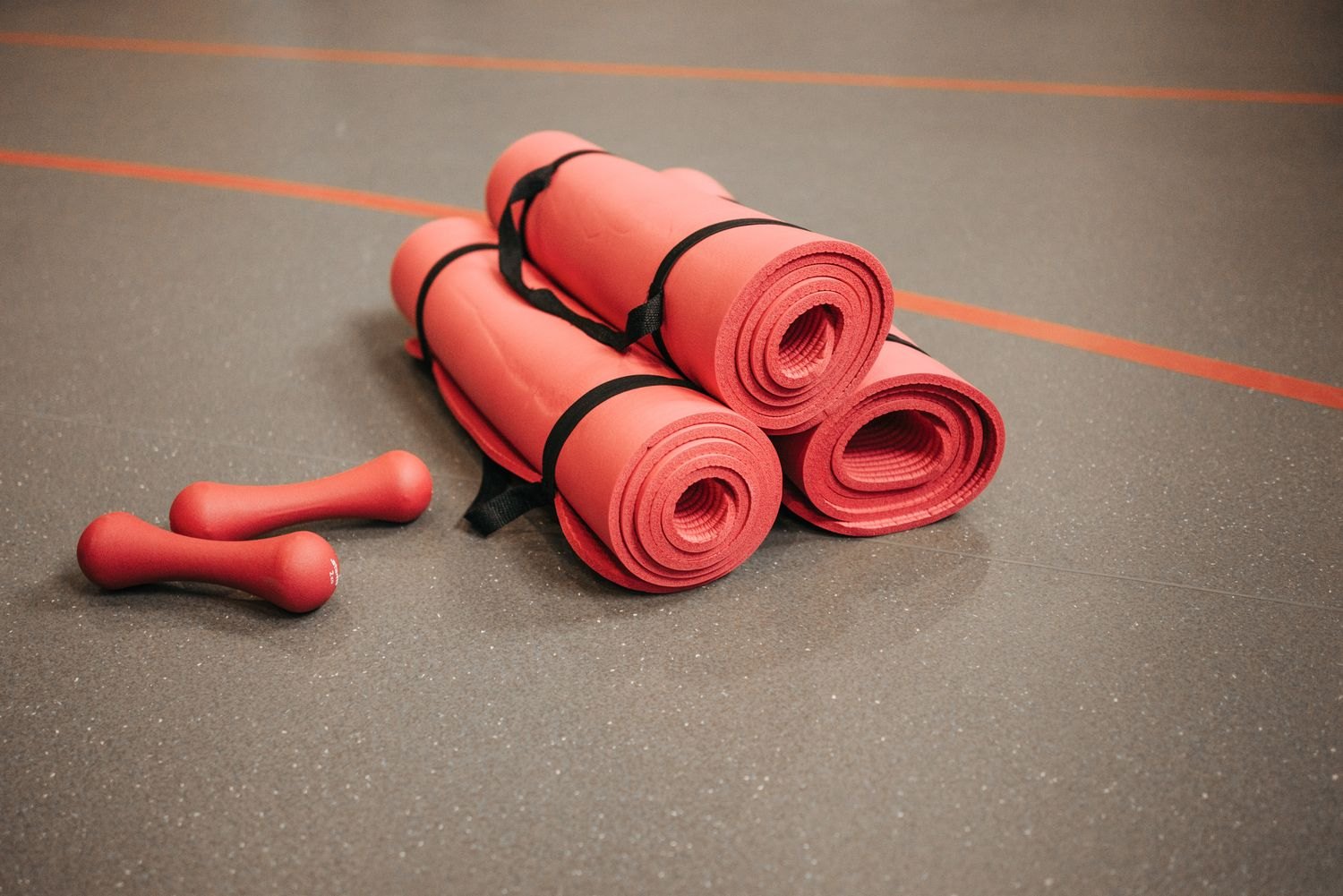
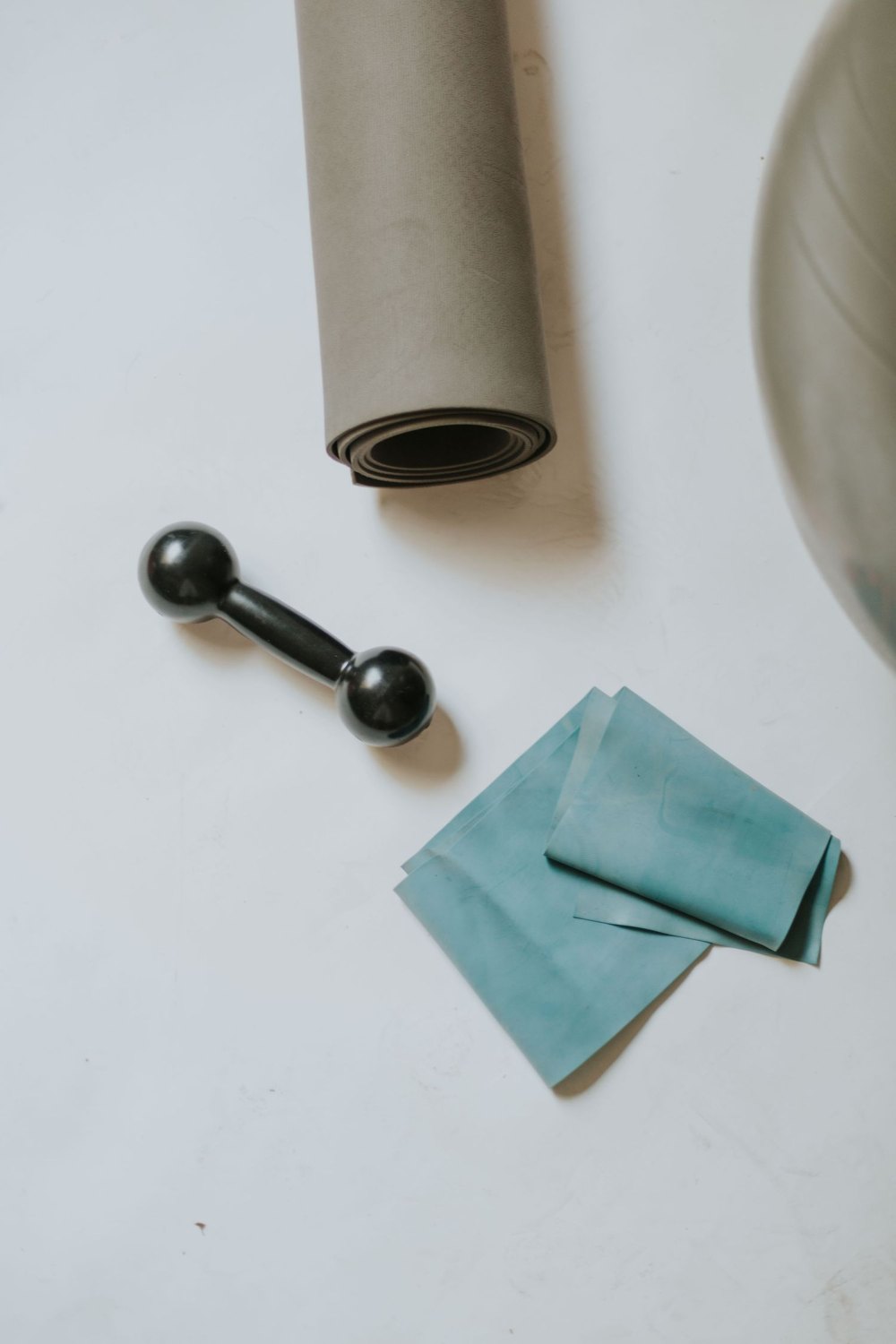
Place heavier items low down in stable storage designed for their load. A decorative shelf is not automatically a weight rack. Round dumbbells need a secure resting place where they cannot roll across the floor; leaning a weight against a wall is not a dependable solution. Resistance bands should be stored according to their care instructions, away from heat and anything sharp.
If this is also the living room, distinguish between an exercise position and a storage position. A mat that spends the week rolled up beside a cabinet is fine. A mat permanently stretched across a walkway is less useful. Choose a place to unroll it, then practice putting everything away once. If the process involves moving five chairs, a smaller equipment collection may serve you better.
Lighting deserves a check at the time you will actually train. An afternoon photograph tells you little about a dark morning. You should be able to see the floor and any weight markings without aiming a lamp into your eyes. Leave electrical cords outside the movement area.
Keep the room available to everyone
Agree on a simple signal that exercise is underway, especially in a shared home. Children and pets need separation from moving weights and stretched bands. A neat corner does not make those objects safe to play with.
After the first few sessions, change the arrangement rather than tolerating the same awkward moment. Perhaps the water bottle belongs on the other side, or the storage basket blocks your return step. The best layout is the one that makes ordinary movements straightforward and lets the room become a room again when you finish.