Reflective trim does not shine by itself. It returns incoming light, such as a vehicle’s headlights, toward its source. That makes it different from a flashlight or other active light, which produces illumination. Understanding the distinction helps you avoid expecting one item to perform both tasks.
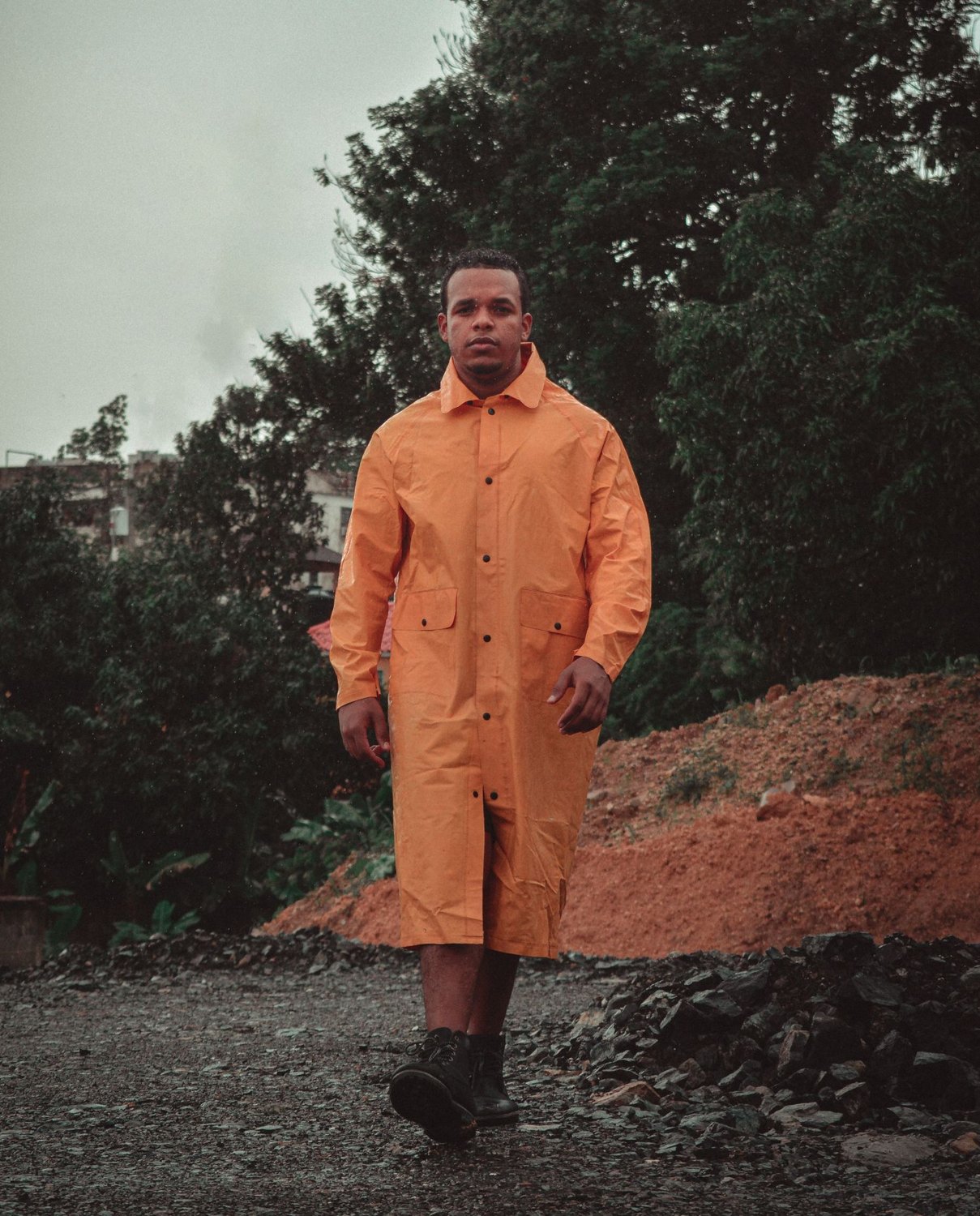
Look at where the reflective areas sit when you are dressed for the walk. A backpack can cover the back of a jacket, while a long coat may hide reflective details on the waist. The arrangement should be considered from several directions rather than only in a front-facing product photograph.
Visibility is part of the route choice
The National Highway Traffic Safety Administration recommends reflective materials or a flashlight at night, alongside attentive walking and suitable crossings. These measures help support visibility; they do not replace sidewalks or make a poorly chosen roadside route comfortable.
Choose a light that lets you see the ground as well as be more noticeable. Check its charge or batteries and how it attaches. Avoid aiming a bright beam directly into other people’s eyes. A headlamp may be useful on a dark path, while a handheld light has different handling demands. Match the equipment to the setting.
Reflective items need care too. Dirt, damage, and wear can affect the material. Follow the garment’s washing instructions and inspect it periodically. Do not assume that a reflective logo remains equally useful after years of abrasion or that every shiny fabric has the same purpose.
Try the complete clothing arrangement before leaving. Make sure a vest or strap does not catch your hands, cover access to a pocket, or become hidden beneath the layer you add later. Comfort matters because the equipment must remain in place throughout the walk.
At crossings, look for traffic in all relevant directions and follow signals. Do not step out on the assumption that your jacket has made you visible. A driver may be distracted, turning, or facing a visibility problem you cannot see.
If a route feels unsafe in darkness, use a different one or walk at another time. Reflective clothing is useful equipment for appropriate conditions. It is not a reason to keep the daytime route unchanged after the light has gone.