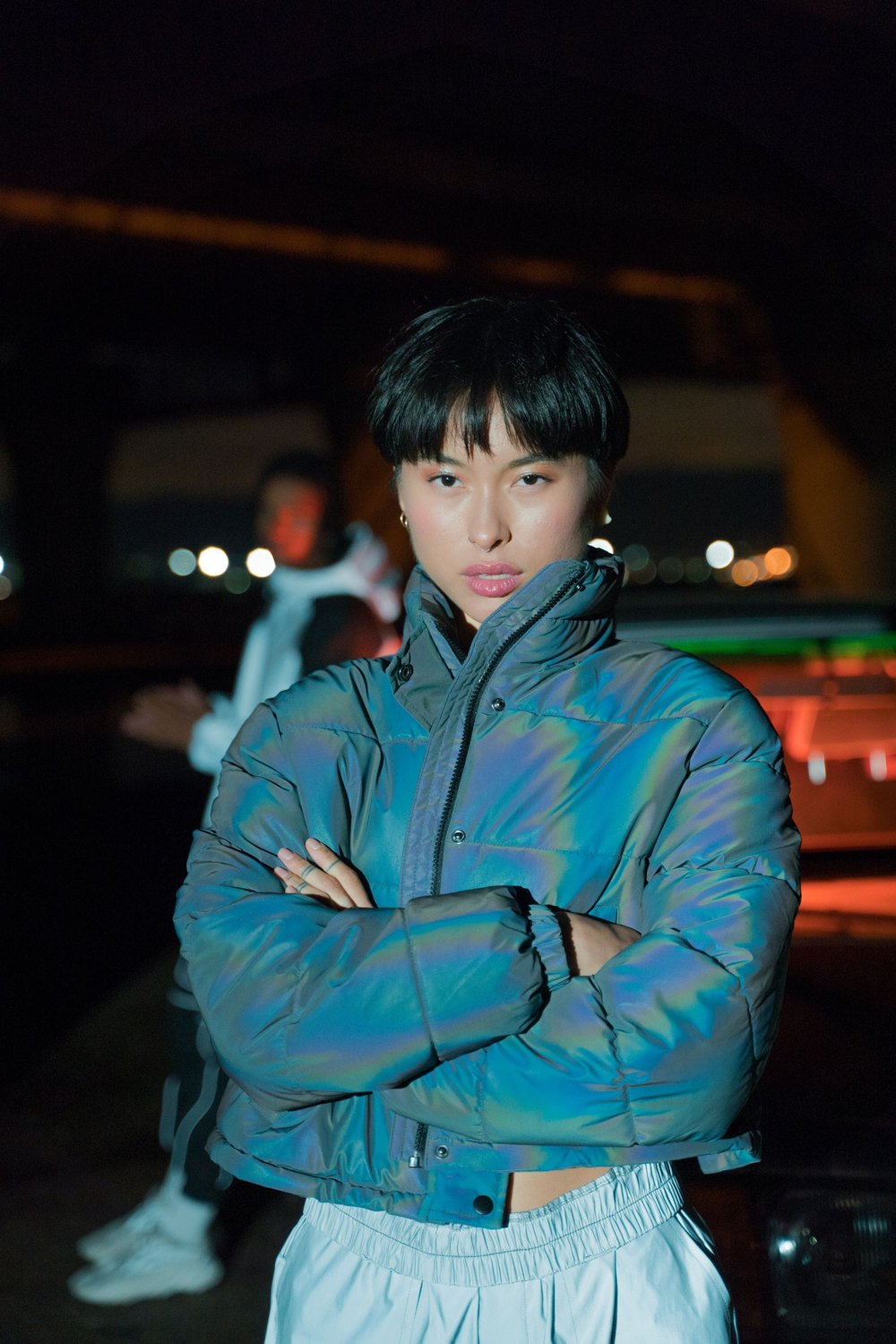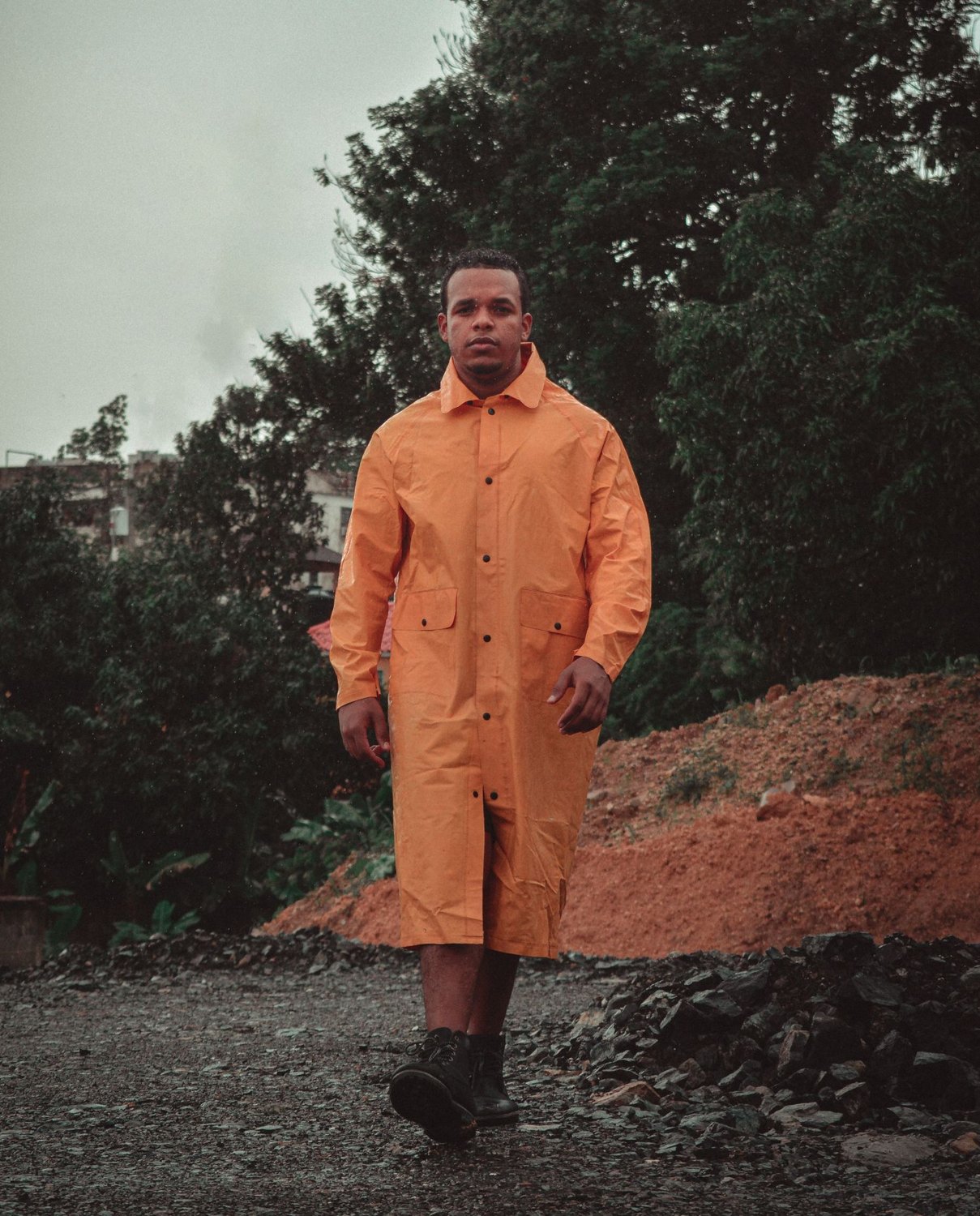
A rain jacket can fit neatly in a mirror and feel restrictive once you add a warm layer and backpack. Try it over the clothes you expect to wear in wet weather. Reach forward, raise your arms, and turn your head with the hood up. These ordinary movements reveal more than the silhouette.
Check the hem and sleeves. The hem should not ride up excessively when you reach, and the cuffs should work with the way you use your hands. A hood that turns independently of your head can obscure your view. Adjust it using the intended controls and see whether you can look to the side comfortably.
Put the pack on too
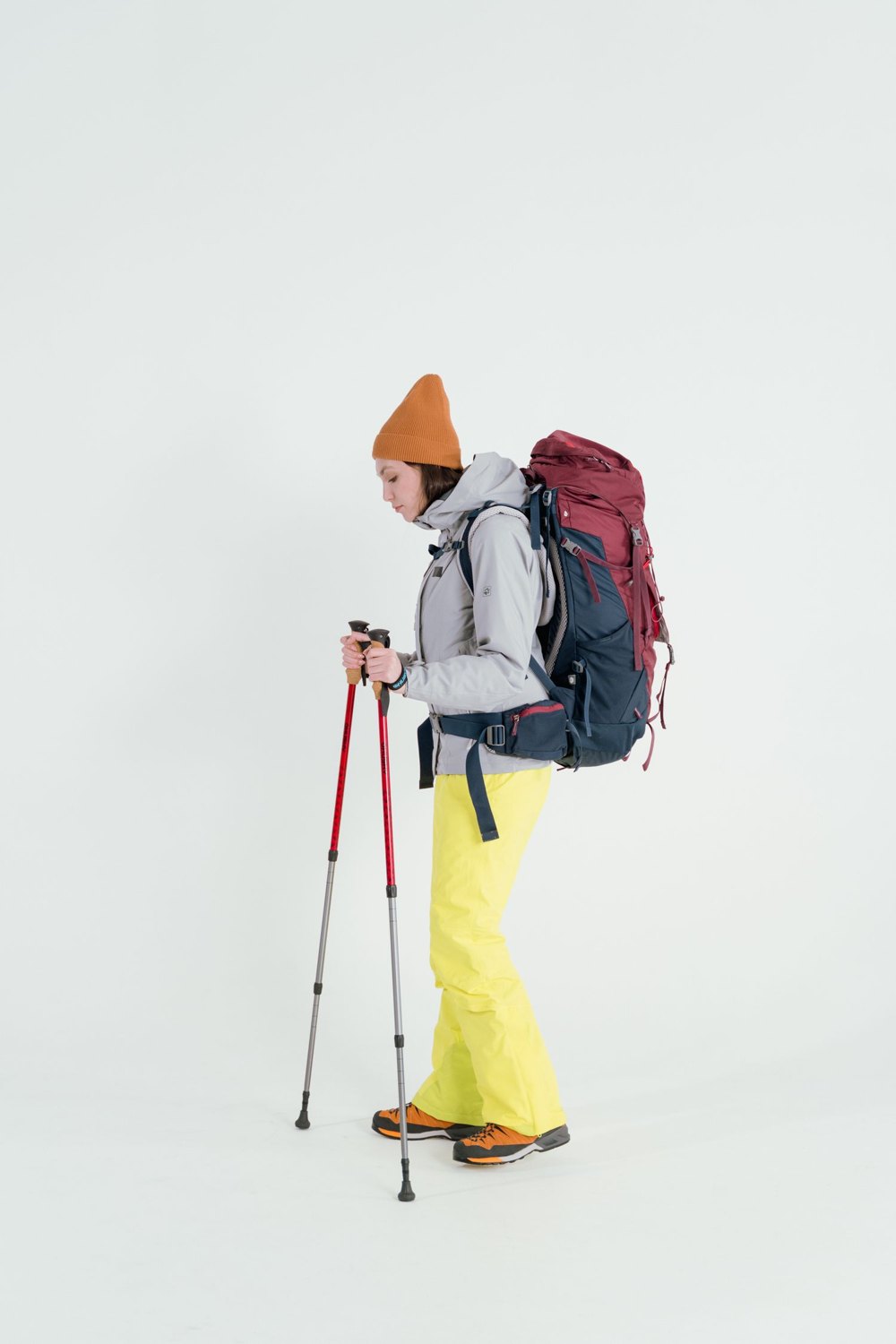
Shoulder straps can cover pockets and alter the jacket’s position. A hip belt may sit across the main zipper or prevent access to a low pocket. If you routinely walk with a pack, include it in the fitting. A feature is useful only if you can reach it in the actual setup.
Vents can help manage heat during movement, but their placement matters. Check whether you can open and close them without removing the pack or contorting your arm. Consider what happens when rain is blowing from the side; ventilation involves choices about the openings as well as the fabric.
Waterproof and breathable are not a promise of remaining dry under every condition. Sweat can accumulate during effort. A jacket is one part of managing the pace, layers, and exposure. Avoid using a more expensive shell as the answer to a route that is unsuitable in the forecast weather.
Read the care instructions before buying. Cleaning requirements and any reproofing steps affect ownership. If you dislike complicated maintenance, choose a garment whose care you can realistically follow. Do not assume that household fabric softener or an improvised spray is appropriate for every technical material.
Small details deserve a deliberate check: a zipper pull you can grasp with cold fingers, a hood adjustment that stays put, and room to close the jacket without compressing the layers underneath. These are not glamorous specifications, but they shape the experience every time rain begins.
A successful fitting should leave you with a jacket that works while moving, carrying a bag, and changing layers. The label can describe the material; only the complete setup shows whether the cut and controls suit your use.