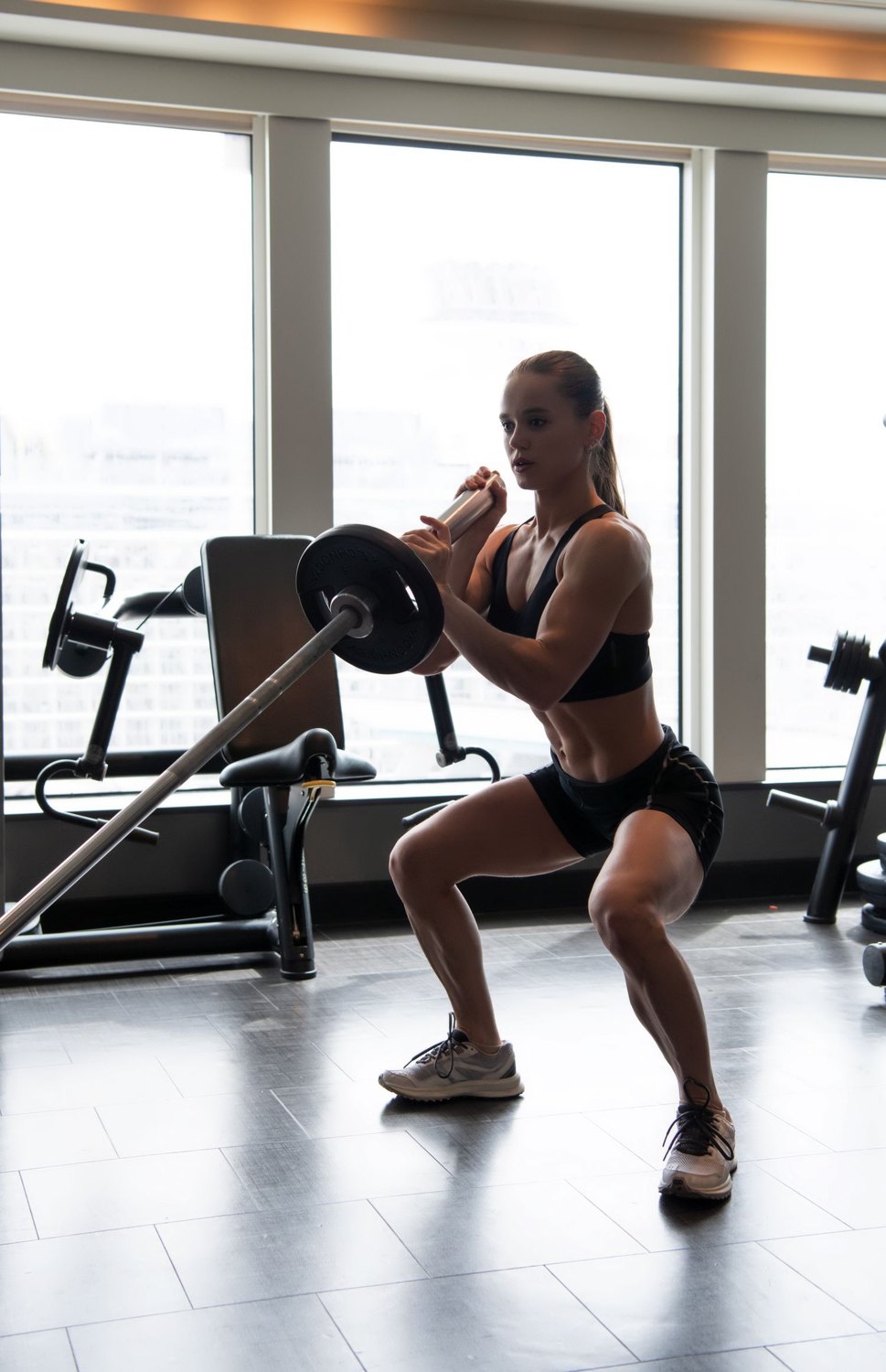
Rest can feel strangely unproductive in a gym. Other people are moving, a timer is counting and your own exercise is waiting. Yet beginning another set before you are ready may simply turn the next few repetitions into a poorer version of the last ones.
A sensible pause depends on the exercise, its difficulty and what you are trying to accomplish. A demanding set involving much of the body can require more recovery than a light movement for a smaller muscle group. There is no single interval that makes every exercise effective.
You can use a rough starting interval from your program, then check readiness. Has your breathing settled enough to give the movement attention? Can you grip the handle securely? Do you remember the setup? If you are still struggling to recover, wait longer or reduce the next set's demand. A countdown cannot answer those questions for you.
Let the next set provide feedback
Suppose your first set is controlled, but the second loses several repetitions immediately. If the weight and setup were unchanged, inadequate rest may be one explanation. Try a longer pause on another comparable visit and note what happens. Sleep, exercise order and an overly ambitious first set can also affect performance, so avoid diagnosing the entire program from one result.
Use the break for small jobs: note the repetitions, take a sip of water, adjust a bench setting or clear a plate that blocks your exit. Avoid turning every rest into another demanding exercise. A few easy steps are different from adding a burpee challenge because standing still feels uncomfortable.
Long rests can create a practical issue when equipment is shared. Tell another person how many sets you have left, and consider taking turns when the setup can be changed safely and conveniently. You do not have to rush into a set to prove you are using a station legitimately, but leaving belongings across several stations is a different matter.
If time is short, remove an optional set or exercise from the plan rather than automatically compressing every pause. That preserves the work you do keep. A twenty-minute session with deliberate recovery can be easier to repeat and interpret than a frantic half hour that leaves you unsure what actually limited each exercise.
The clock is useful for preventing a brief rest from becoming an accidental ten-minute phone break. It is less useful when its beep overrides your ability to start well.