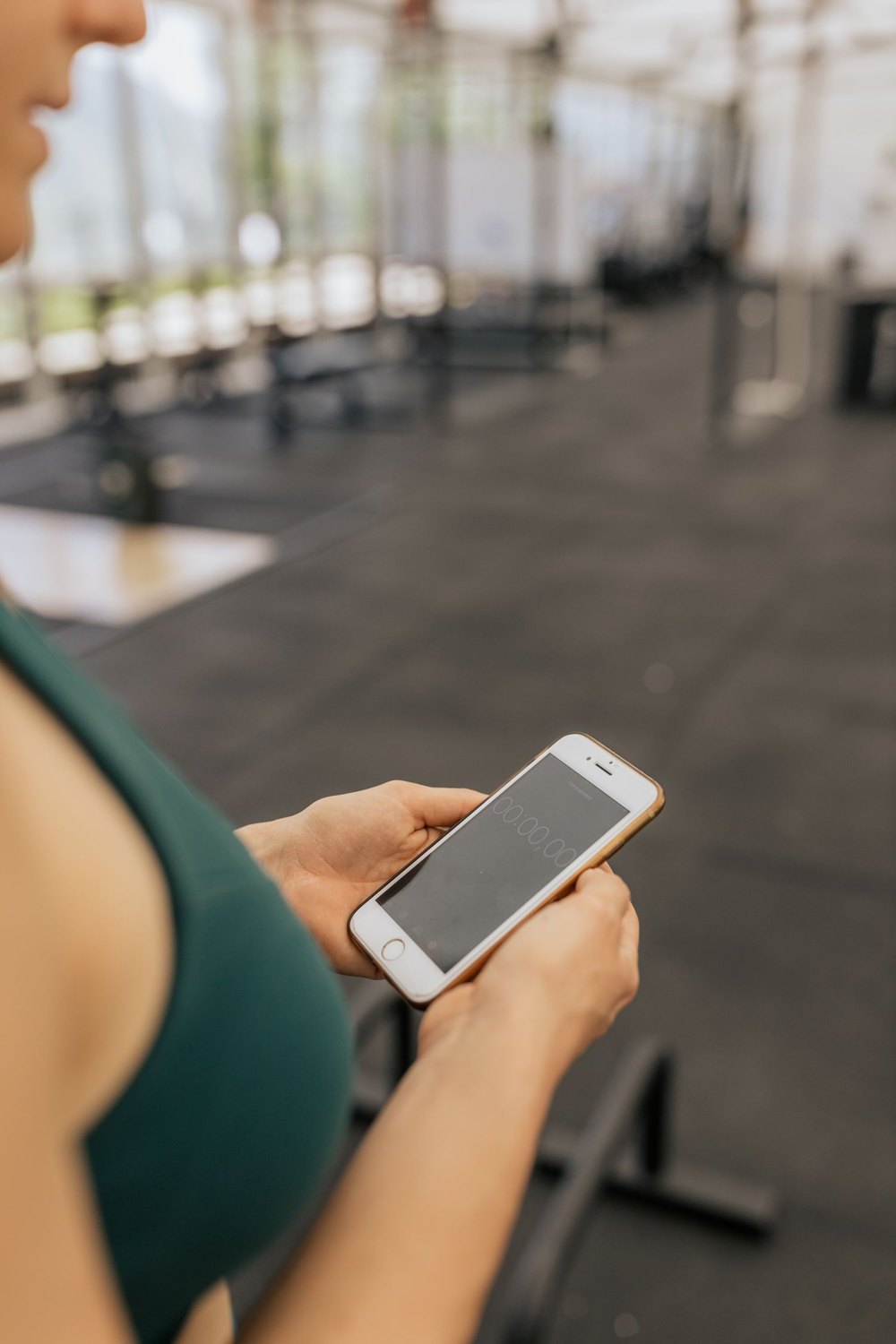
A timer can remove the need to keep checking the clock. It can also make an otherwise calm workout feel hurried. The difference lies in what the signal means: a reminder to move to the next stage, or an instruction to stop whatever you are doing instantly.
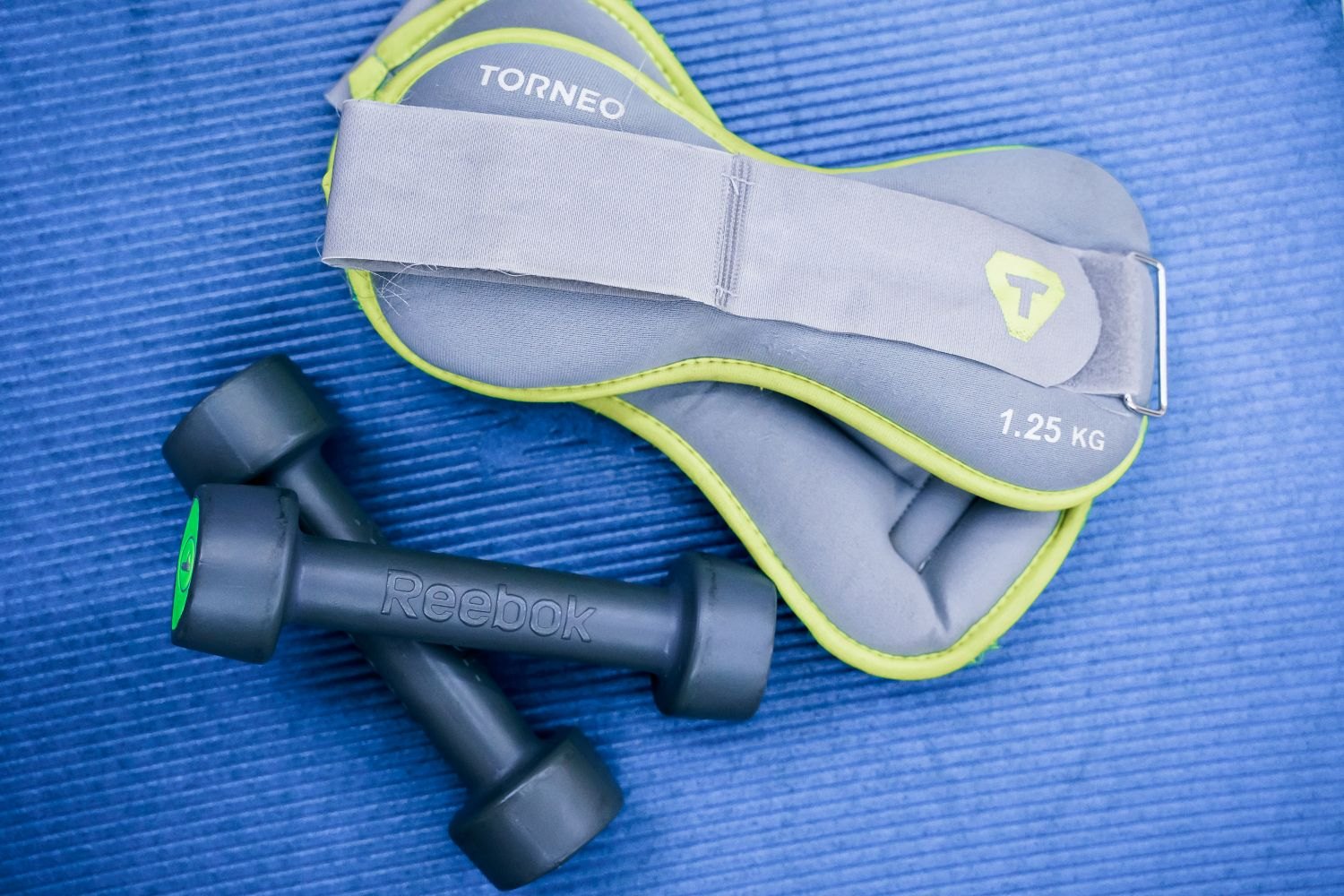
Set the intervals around the session you intend to perform. If a movement is new, a fixed repetition target with rest as needed may be easier than a work interval. If you are changing a band attachment or adjusting a dumbbell, include enough time to do that properly rather than hiding it inside a short countdown.
Separate work, rest and preparation
Some timer apps let you add a preparation interval before the first exercise and between different movements. Use it if it reduces rushing. Alternatively, pause the timer while making a significant equipment change. The session remains organized even if its elapsed time is longer than the programmed intervals.
Keep the display visible from a resting position. Do not place a phone on the floor where a weight could land on it, or across the room where you need to turn your head during an exercise. Check the alert volume before starting; a sudden loud signal can be distracting when you are concentrating on balance.
Decide in advance how to respond when the interval ends. Finish the repetition under control, put equipment down safely, and then begin the next stage. If the timer has already moved on, pause or reset it. The device can wait more easily than a poorly supported weight.
For one-sided exercises, label or plan the sides clearly. A generic series of identical beeps can make it difficult to remember whether both sides received the intended work. A short written sequence beside the timer may be more helpful than a complicated app setup.
Change the settings after observing the session
If every transition overruns, the intervals are too short for the routine. If a work period repeatedly makes you rush the last repetitions, reduce the target or use a different format. Do not judge the quality of the session by whether every beep was obeyed.
A timer should save attention for movement. Once it requires more attention than the exercise, simplify it. A single end-time reminder, a basic stopwatch or ordinary rest between sets may suit the session better than a highly programmed circuit.