The start of a walk often contains more adjustment than the rest of it. A pack that felt fine beside the car may sit differently in motion. Your shoes may need relacing, or the jacket that was welcome in the parking lot may become too warm. Treat these discoveries as part of starting rather than evidence that you packed badly.
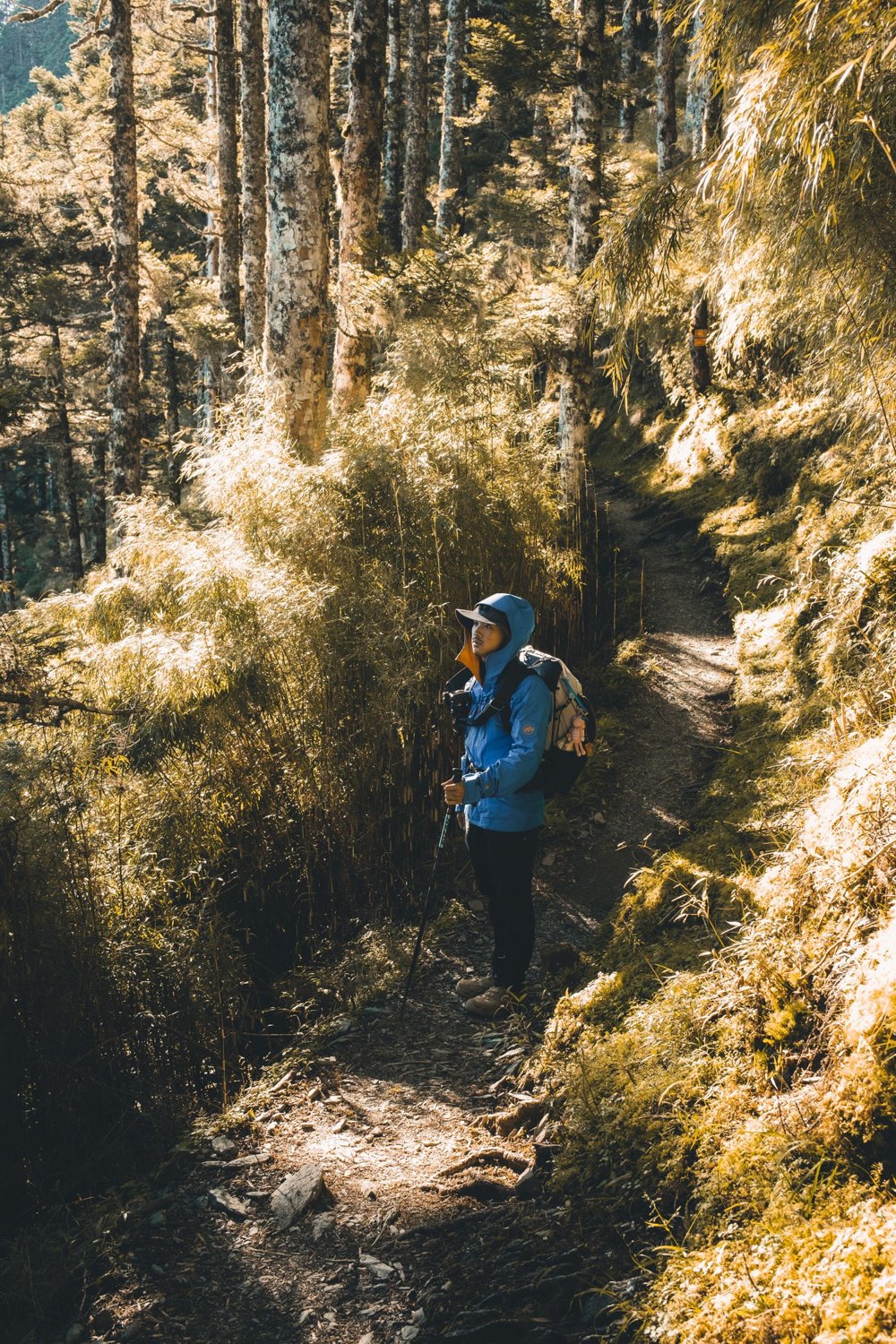
Choose an unhurried pace for the opening stretch. You are learning what the day feels like, including the ground, the weather, and the load on your back. A quick start can conceal discomfort until you are farther from a convenient stopping point.
Check one thing at a time
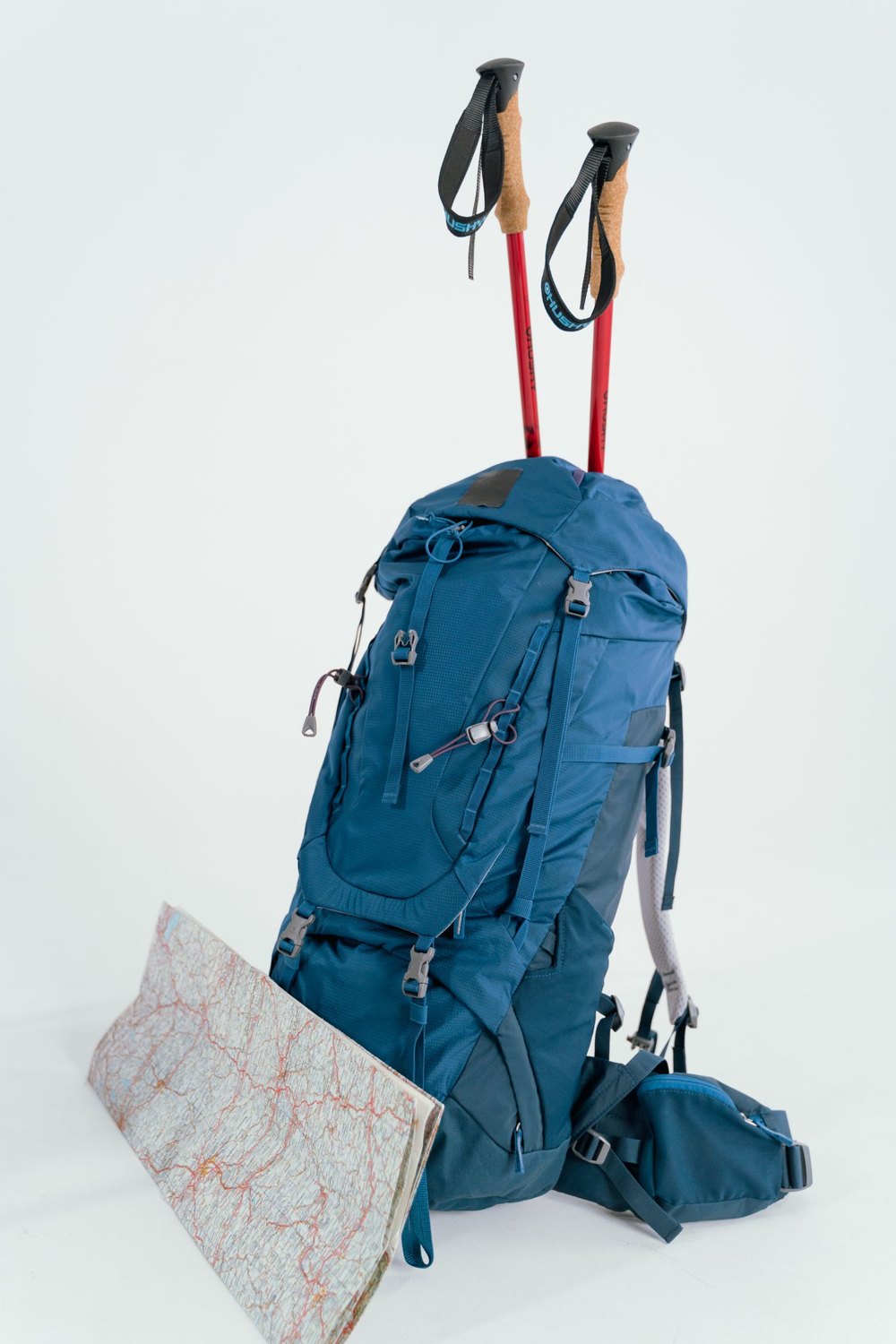
If a shoulder strap presses, stop in an appropriate place and adjust it. Walk a little farther before changing several other things. The same approach works with laces and layers: make a small change, then notice whether it helped. Pulling every strap tight at once makes it harder to identify the original problem.
Do not wait for a scheduled lunch stop to deal with rubbing. Remove grit from a shoe, smooth a folded sock, or protect a developing friction spot promptly. If discomfort persists or your movement changes to avoid it, shorten the walk. Continuing to investigate does not require continuing away from the trailhead.
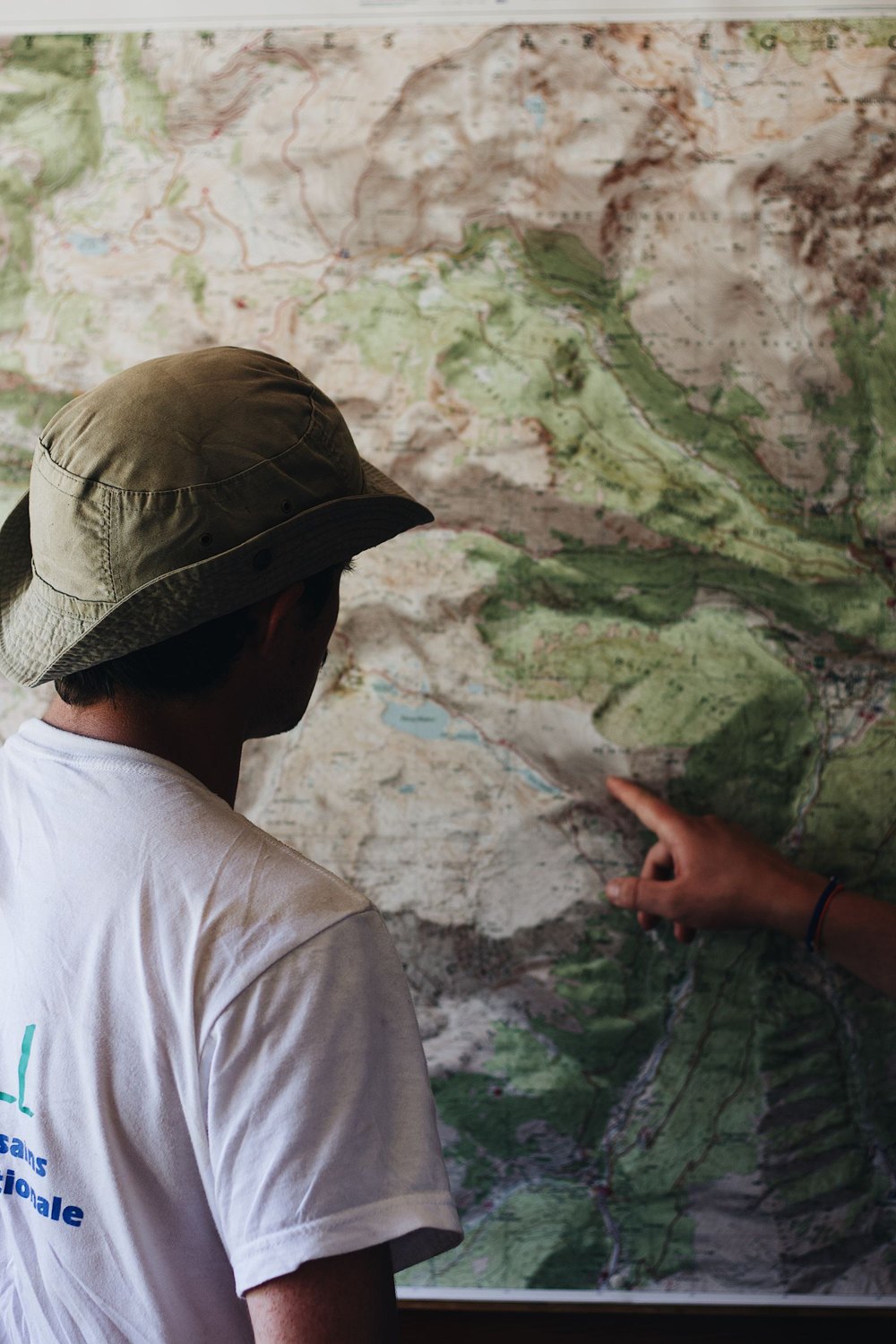
Take a navigation check early as well. Confirm that the path name and first junction match your plan. It is easier to correct a wrong turn near the start than after you have spent an hour convincing yourself the route merely looks different from the description.
The first mile is not a literal requirement. On a short route, your adjustment point might come after a few minutes. On a difficult trail, the important check could be before the first climb. Place the pause where it is useful, not where a tracker announces a round number.
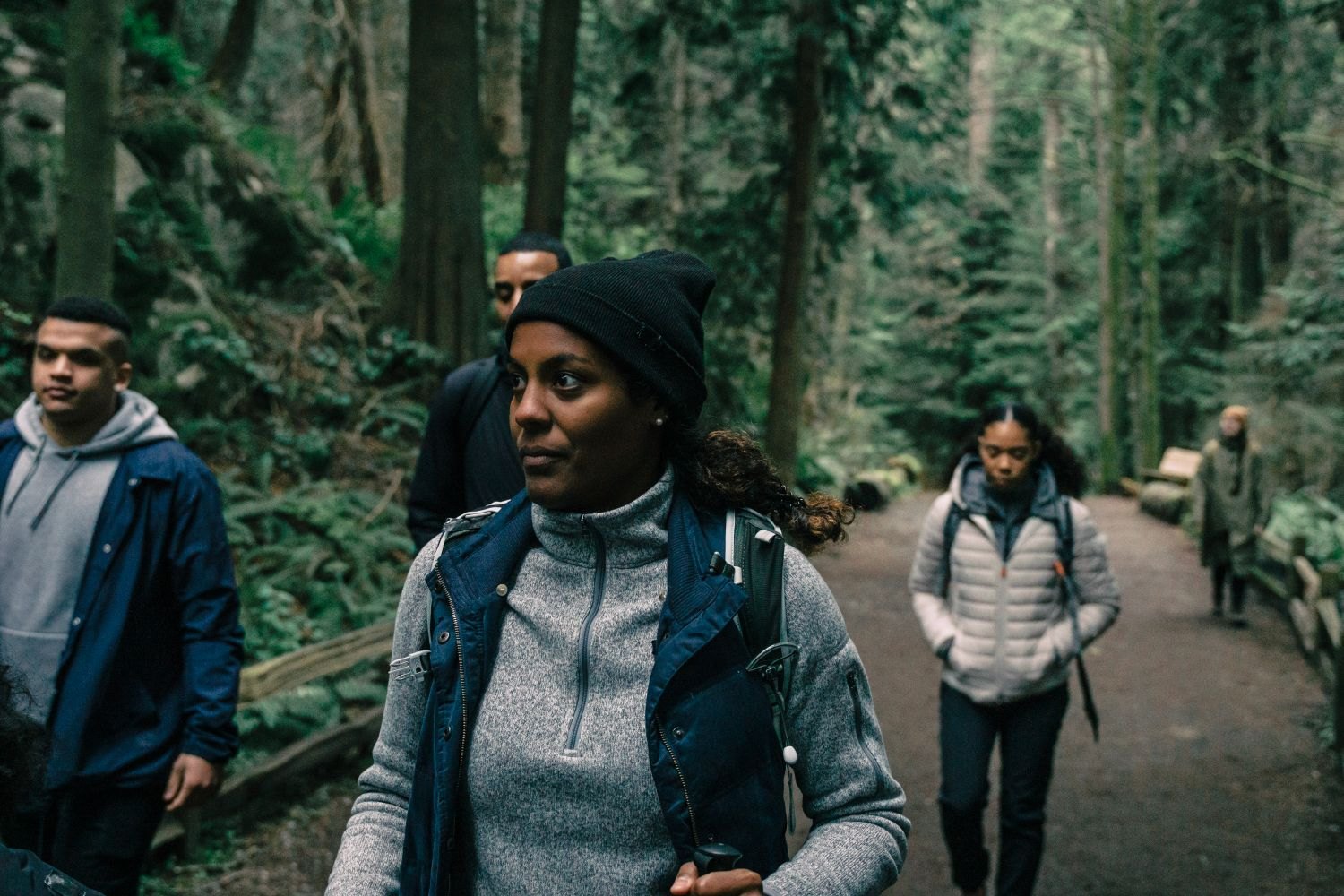
If you are with others, make a brief adjustment stop normal for everyone. One person can fix a strap while another removes a layer, without apologizing for interrupting the outing. This is especially helpful when the group has different equipment or experience.
A settled start often leads to a quieter rest of the walk. Once the bag, clothing, and pace feel comfortable, you can give more attention to the place you came to enjoy. The few minutes spent adjusting are part of the outing, not time lost from it.