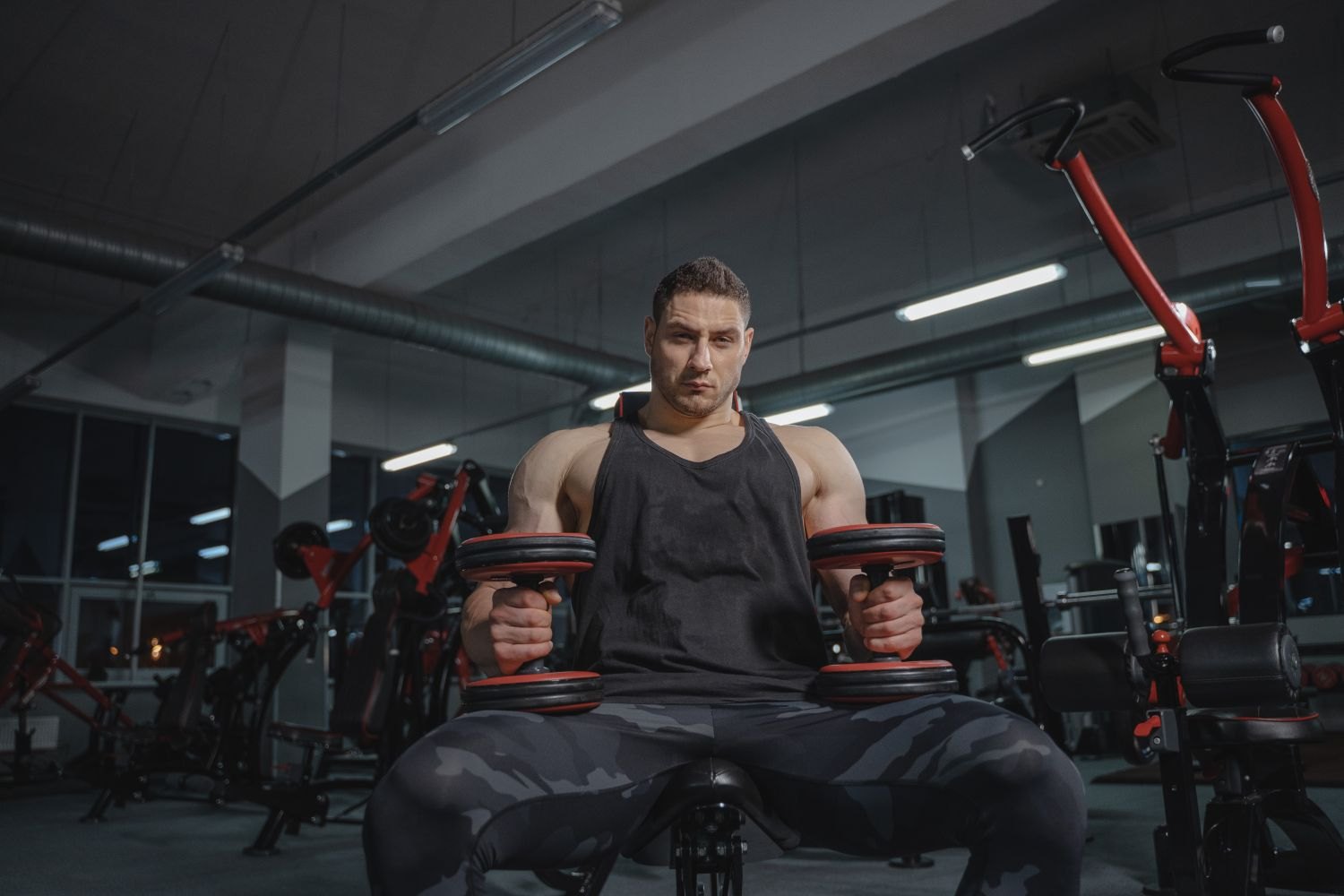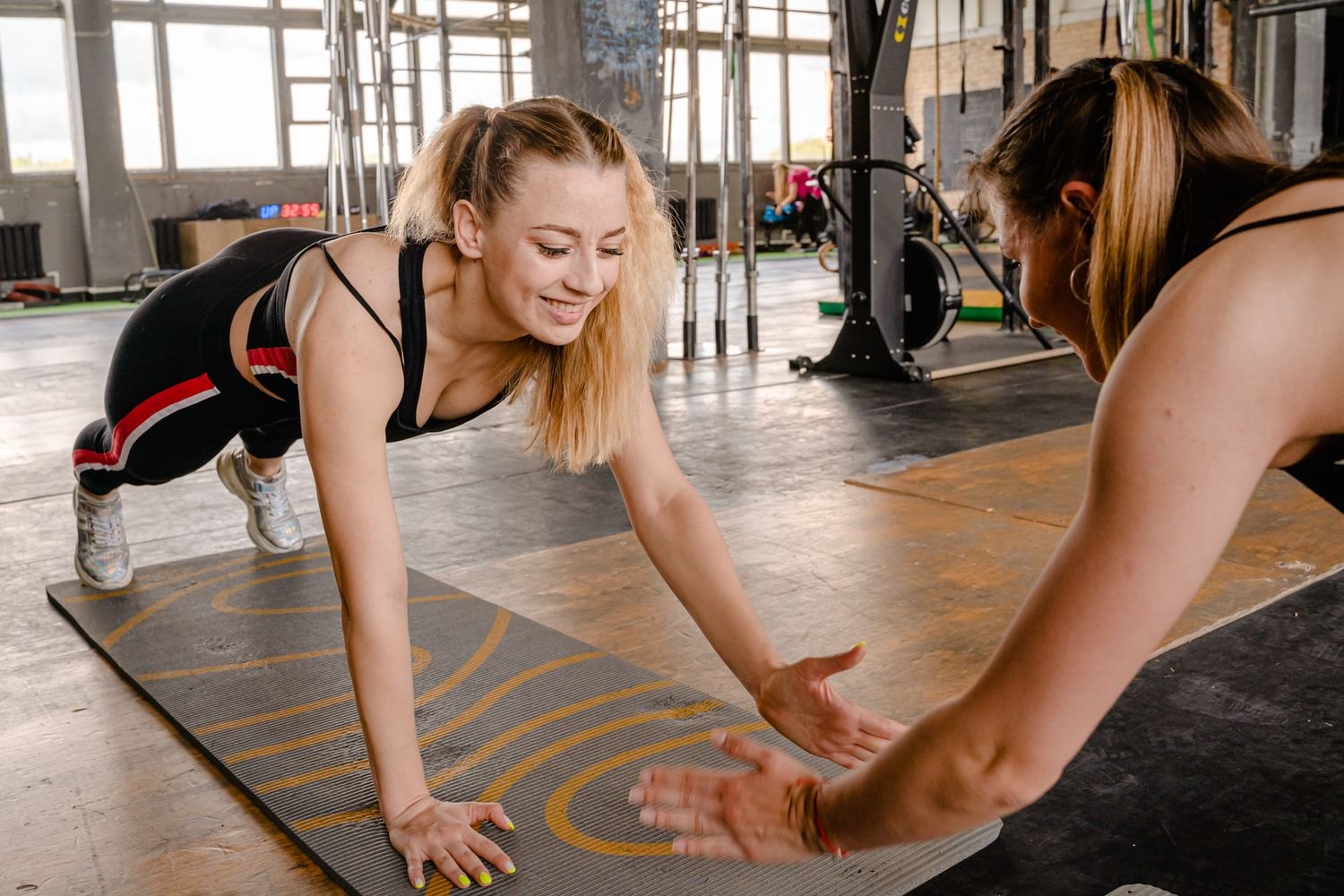
Two people can arrive at the gym together and need different sessions. They may have different experience, goals, schedules, or limitations. Treating the shared appointment as a requirement to match every exercise and weight can make the visit less useful for both.
Agree on what you are sharing. It might be the journey, a warm-up, the same area of the gym, or a walk afterward. You can enjoy the social part without working through an identical plan. A clear meeting time and finishing point often provide enough structure.
If you alternate on equipment, adjust it for each person rather than leaving the previous settings in place. Seat height, handle position, resistance, and safety stops may differ. Count that adjustment time as part of the session. Rushing the change to keep up with a friend defeats the point of having a suitable setup.
Avoid making the stronger or more experienced person's load the default. A resistance that is manageable for one person may be inappropriate for the other. Encouragement should support controlled movement and honest decisions, not turn every set into a test of willingness.
Agree on help before you need it
Spotting is a skill, not simply standing nearby. Do not assume a friend can safely assist with an unfamiliar lift. Ask qualified gym staff about appropriate equipment, safety stops, and spotting procedures. Choose a setup you can manage safely rather than relying on an improvised rescue.
For walking, discuss pace and route before setting off. A route with an optional extension or a shorter loop can accommodate different preferences, provided everyone understands the meeting and return arrangements. Do not leave someone alone unexpectedly or pressure them to continue beyond what is suitable.
It is also reasonable to set boundaries around conversation. One person may enjoy talking between sets but want quiet while lifting. Another may prefer to complete a short focused session and catch up afterward. These differences are easier to handle when stated plainly.
Review whether the shared arrangement is helping. If it makes attendance easier and the session enjoyable, keep it. If schedules repeatedly clash, you can meet occasionally and train separately at other times. Friendship does not require identical fitness goals, and a useful training partnership leaves room for both people to make their own decisions.