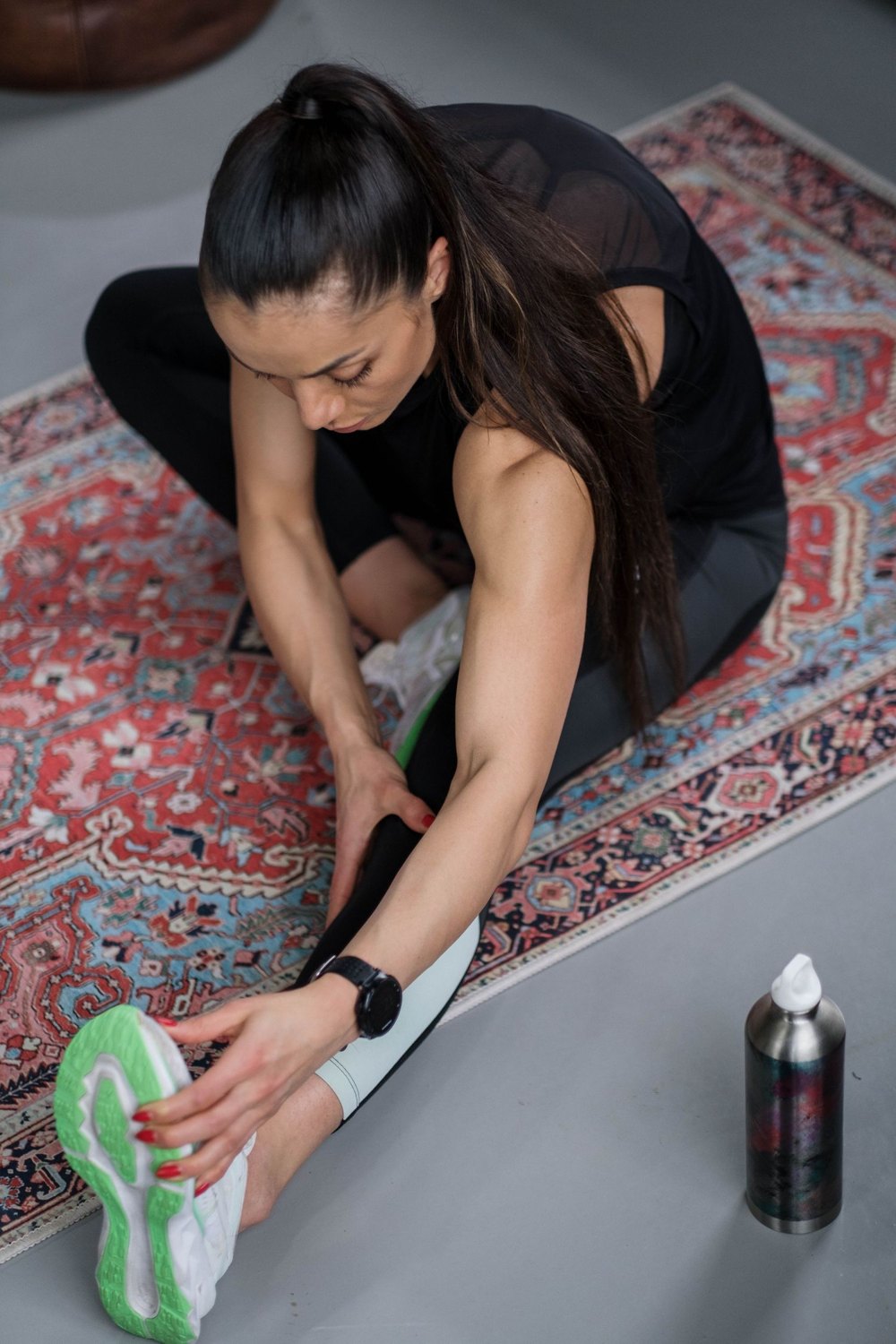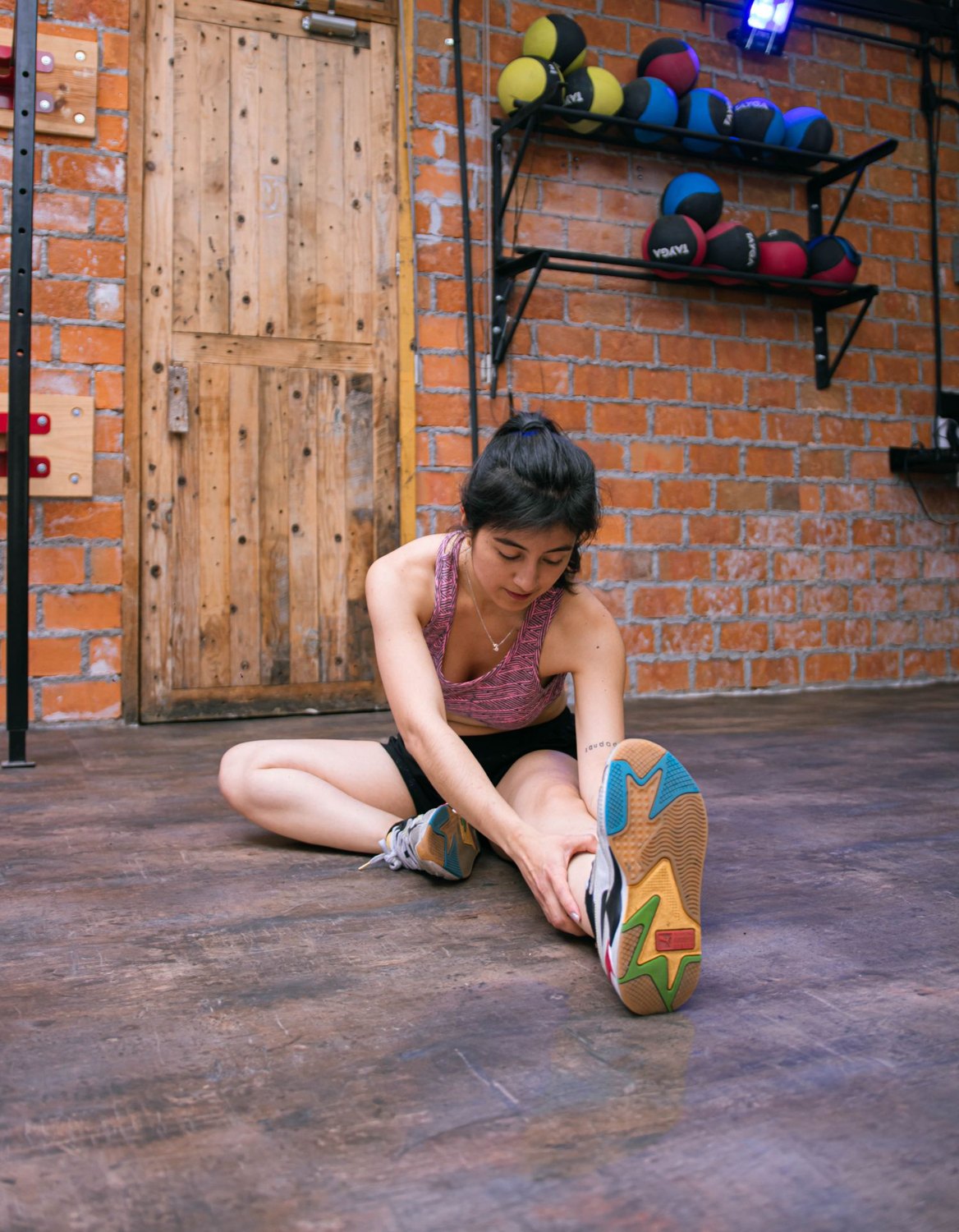
Someone beside you folds easily into a stretch while your hands remain far from the floor. It is tempting to close the gap by pulling harder. But the distance between two people's hands says little about what either person needs from the movement.
Body proportions, training history and current comfort affect the shape of a stretch. A photograph captures a position, not the process used to reach it or the reasons it suits that person. Copying the outline is a poor substitute for choosing an appropriate exercise.
Mayo Clinic advises stretching smoothly without bouncing and avoiding pain. Those principles leave no role for forcing a range simply to match someone else. A stretch may create a gentle pulling sensation; a sharp, burning or otherwise concerning sensation calls for stopping rather than trying to tolerate more.
Remove the external target
Instead of aiming to touch the toes, choose a position you can enter and leave comfortably. Support the body where useful, keep breathing and notice whether the position remains manageable throughout the hold. You do not need to increase the range every time you exhale.
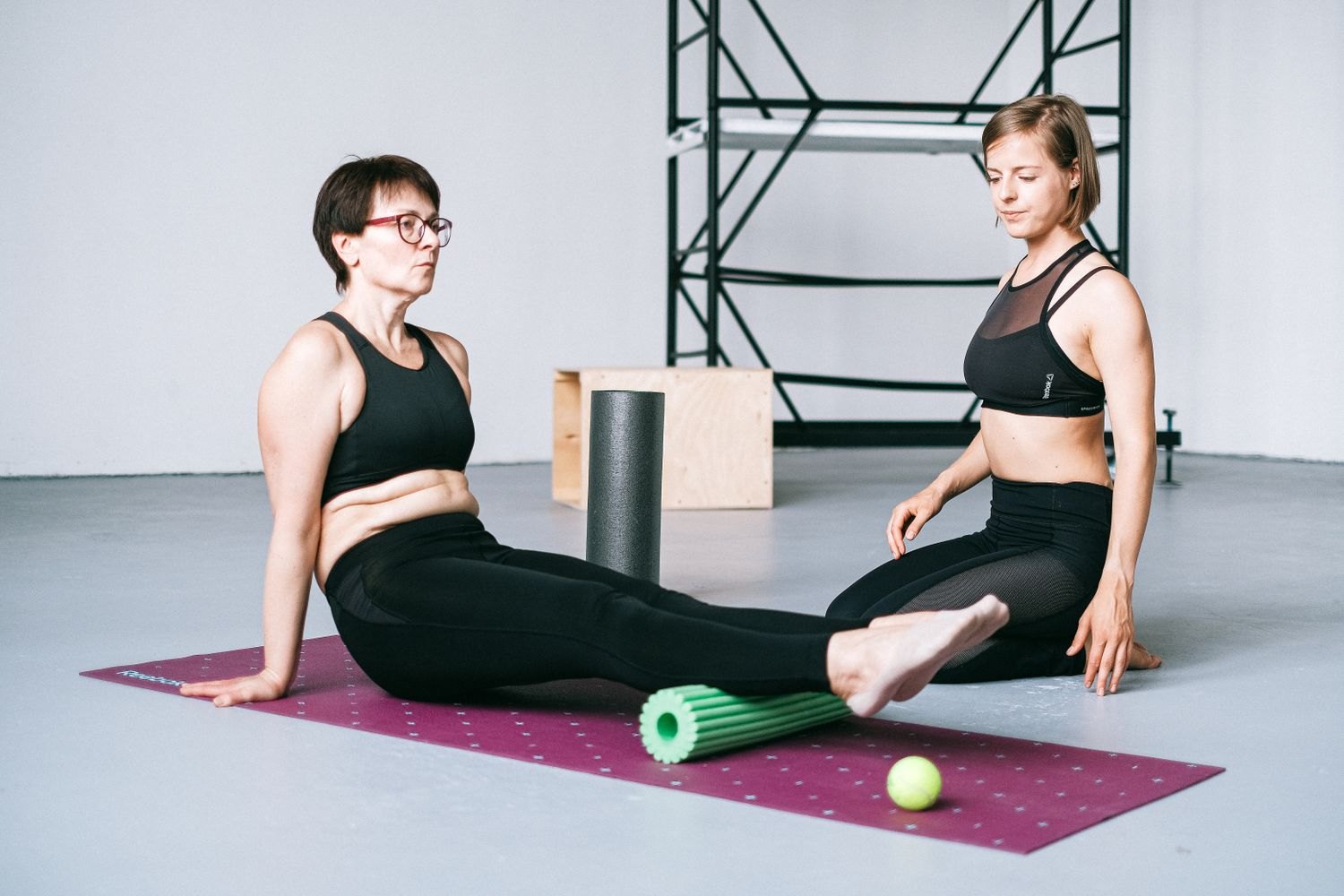
Avoid asking a partner to push you farther. The other person cannot directly feel what you feel, and their enthusiasm may exceed your control. If assisted stretching is appropriate in a specific program, it should be taught and supervised accordingly rather than improvised as a contest.
A timer can also become an unhelpful opponent. Holding a position past the point of comfort to complete a number is not necessary. Ease out deliberately, adjust or choose another movement. Duration is only one aspect of the exercise.
Regular practice may change what feels available over time, but improvement does not need to appear at every session. Fatigue, temperature, preceding activity and the setup can influence the experience. Compare similar conditions if you track anything at all.
If a stretch repeatedly causes pain or you are unsure about a limitation, seek individual advice. More force is not a way to diagnose the problem. For everyday movement, the useful result may be a comfortable range that supports your activities, even if it remains much smaller than the range of the person on the next mat.