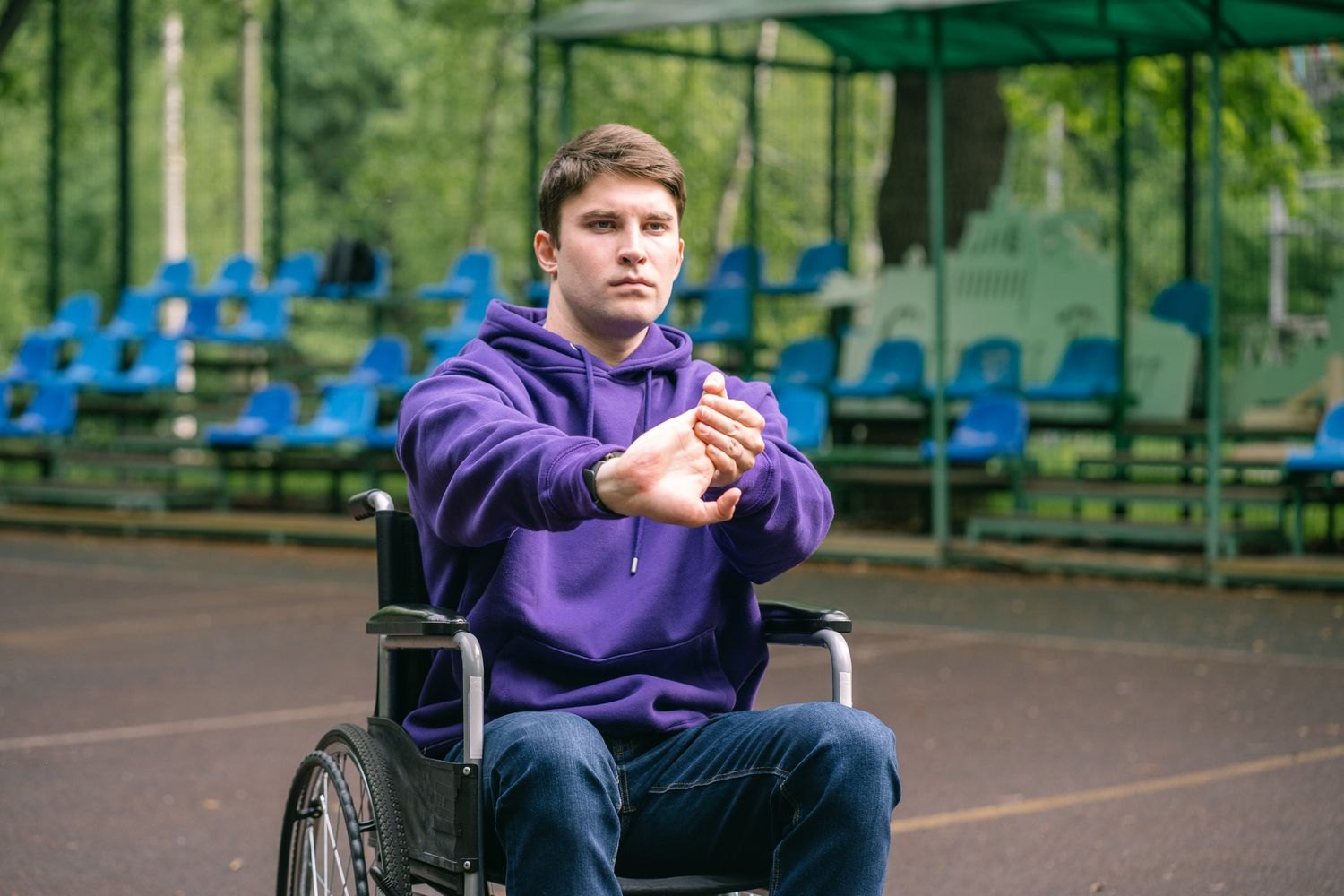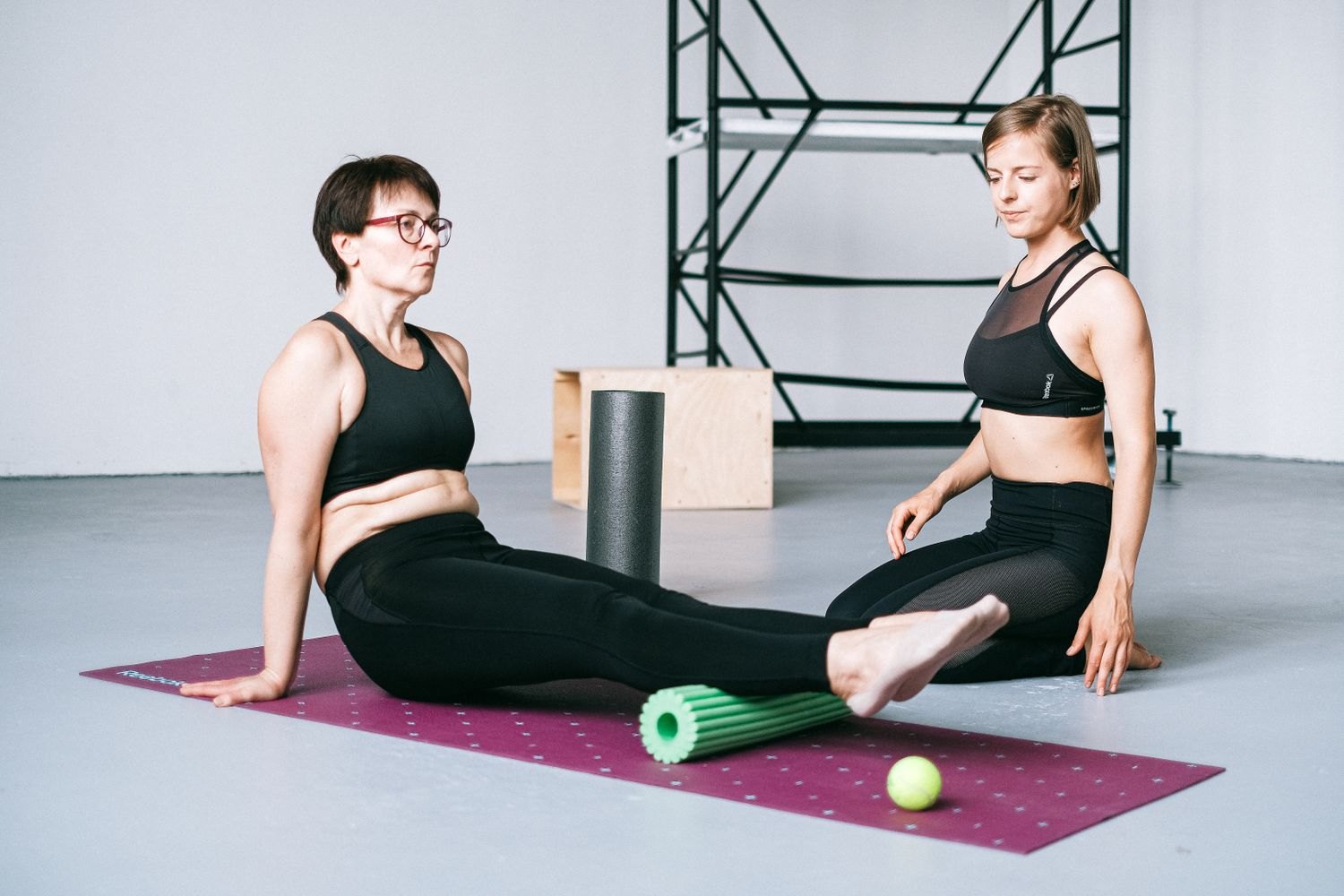
During a quiet movement session, people sometimes concentrate so hard on the position that they stop breathing for a moment. The effort to perform the exercise correctly becomes an effort to hold everything still. A simpler rhythm can make the task easier to manage.
Choose a comfortable seated or standing position and begin with ordinary breaths. There is no need to fill the lungs to their limit, count long holds or force air through a particular route. For general easy movement, the useful starting point is continuing to breathe without strain.
Let the movement fit the breath
Try a small arm movement or a gentle supported bend while breathing naturally. If coordinating a specific inhale and exhale becomes distracting, drop the choreography and keep the breathing continuous. You can return to a more detailed pattern later if it serves a clear purpose or is part of individual instruction.
A position that makes you brace hard, clench the jaw or hold your breath may be too demanding for the easy session you intended. Reduce the range, add suitable support or pause. The adjustment is about matching the task to its purpose, not achieving a special breathing score.
Breathing during heavy resistance training involves different demands and may be taught differently in specialized settings. Do not transfer advanced lifting techniques into a gentle movement break simply because you have heard that bracing is important. General beginners can seek guidance about breathing appropriate to their exercise and health circumstances.
Avoid deliberately rapid or excessively deep breathing in pursuit of relaxation. If you feel lightheaded, stop the exercise and return to a comfortable position. Persistent or unusual breathing difficulty needs medical attention rather than another breathing drill.
You can use a few ordinary breaths to create a pause between movements. Put both feet down, release an unnecessary grip and decide whether to repeat. This makes the session less hurried without requiring a meditation routine.
At the end, notice whether breathing remained comfortable throughout the movements. If one position repeatedly interrupted it, that is a useful detail to adjust or discuss with a qualified professional. The aim is an easy activity that remains easy enough to observe, with breathing available rather than treated as one more thing to perfect.