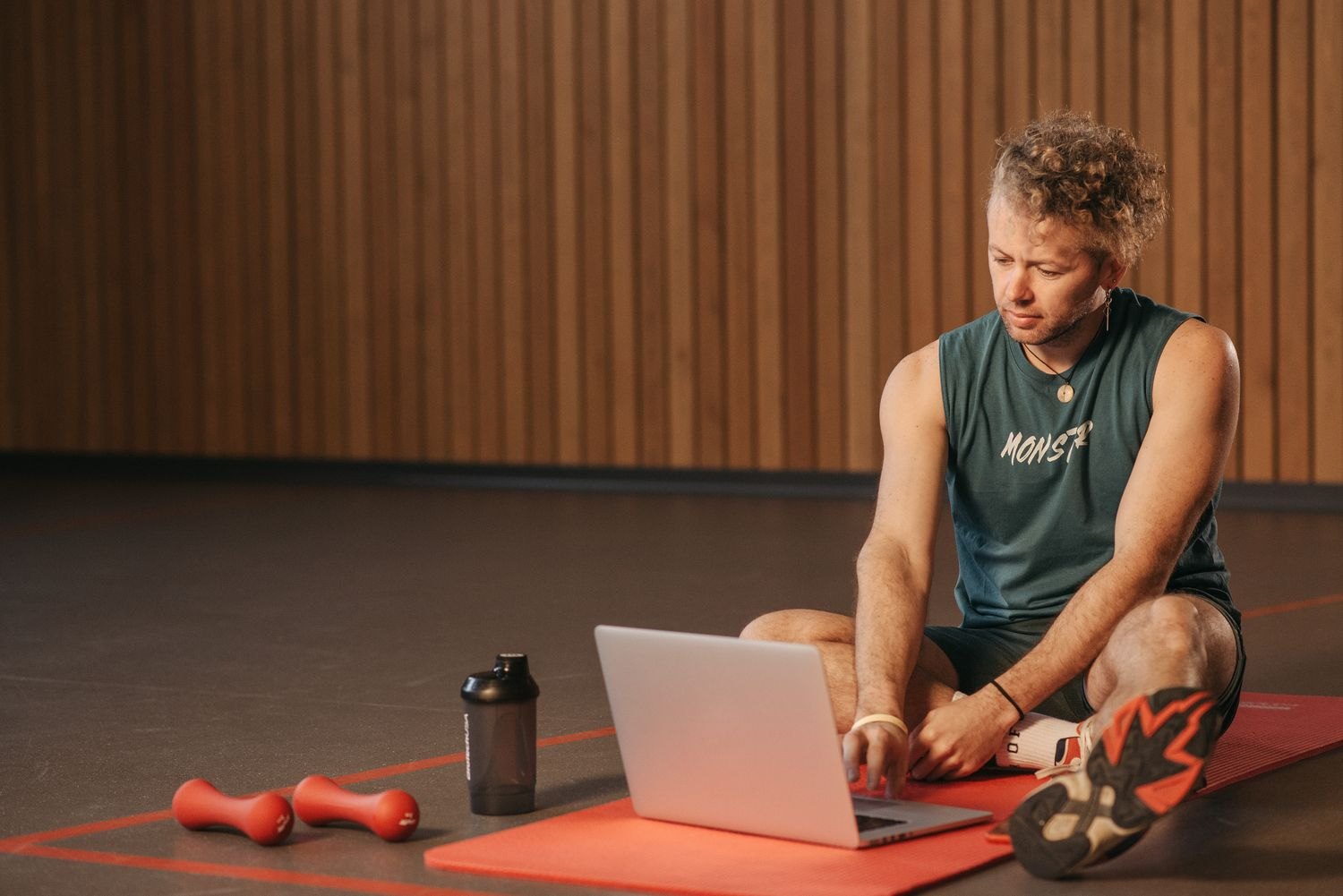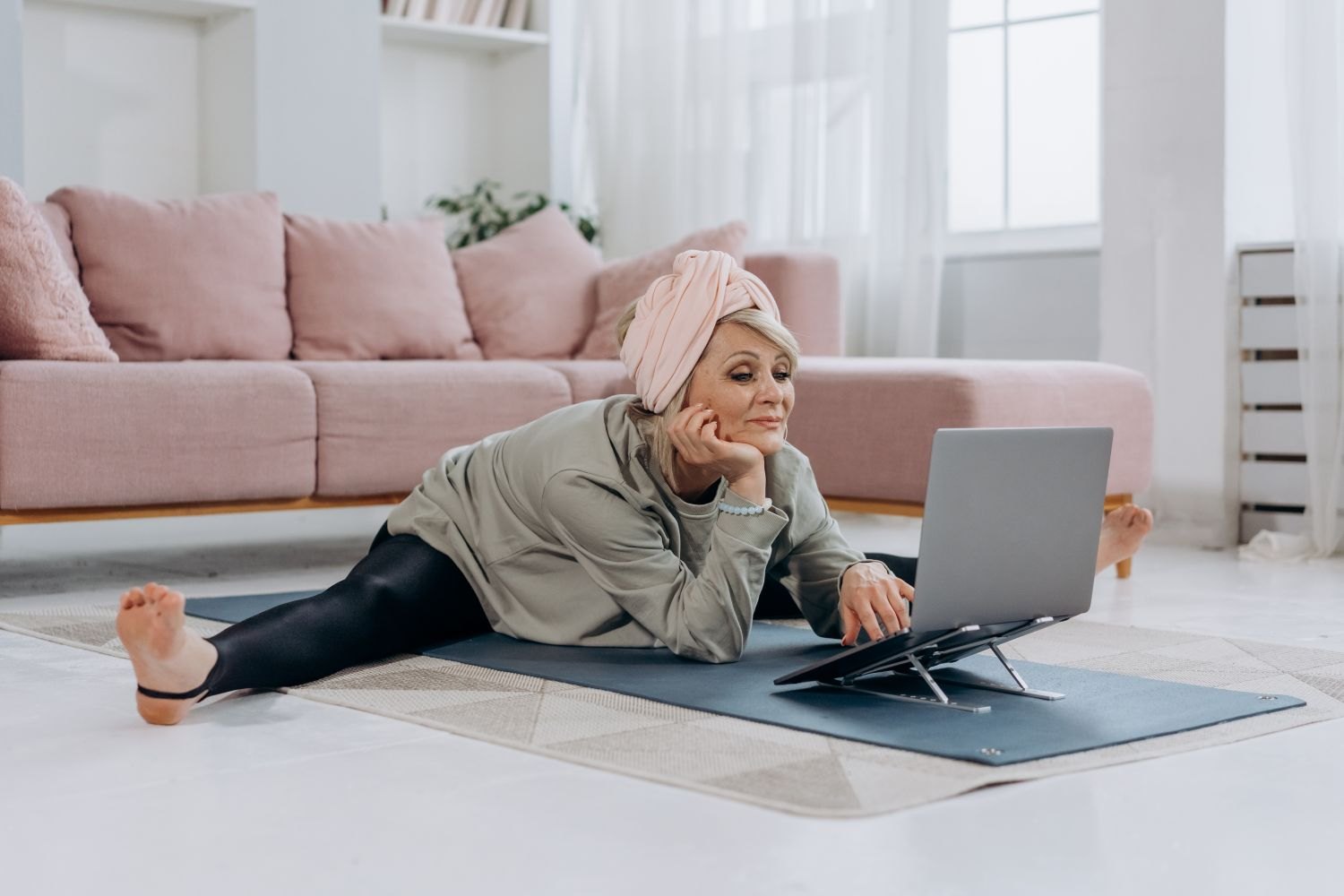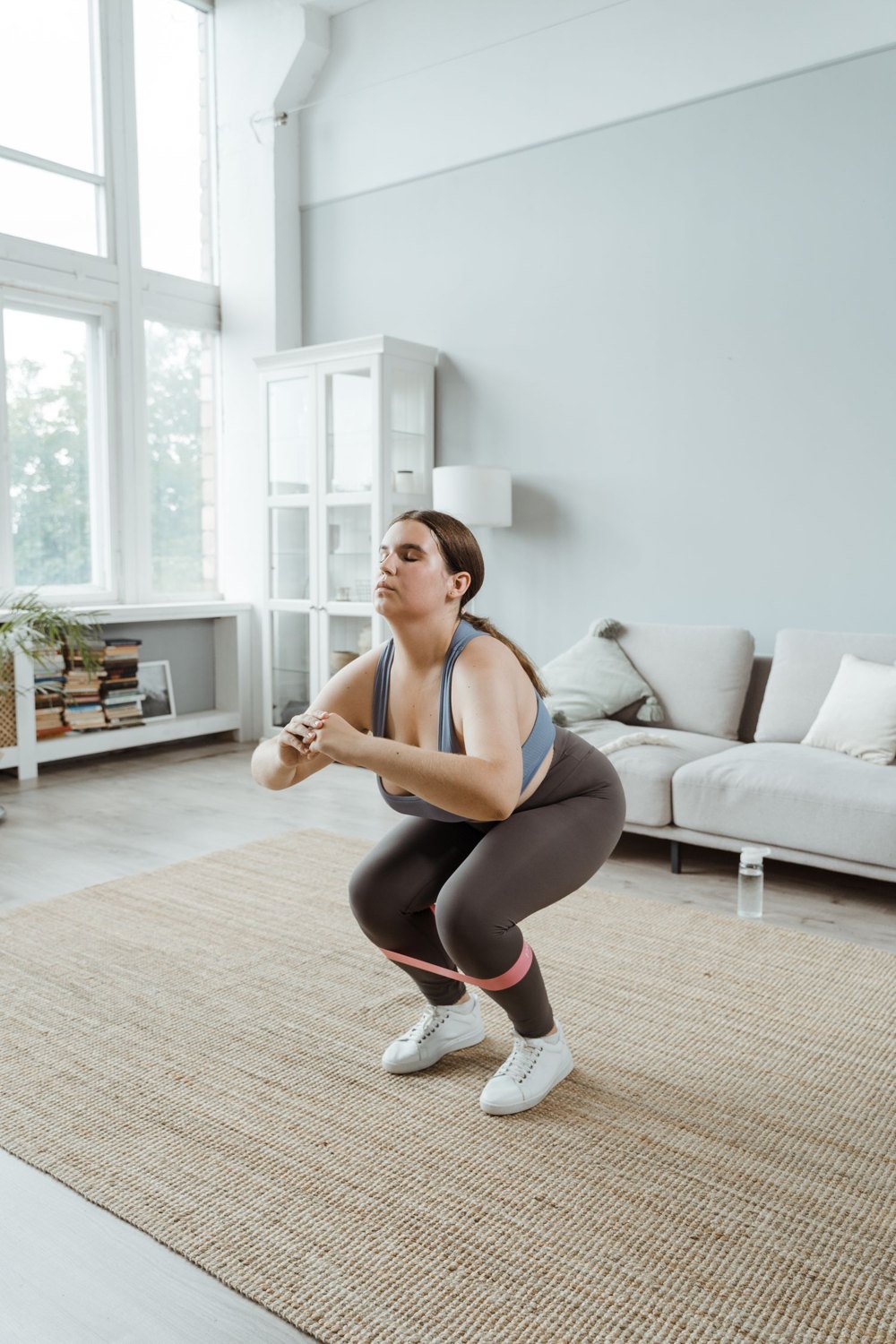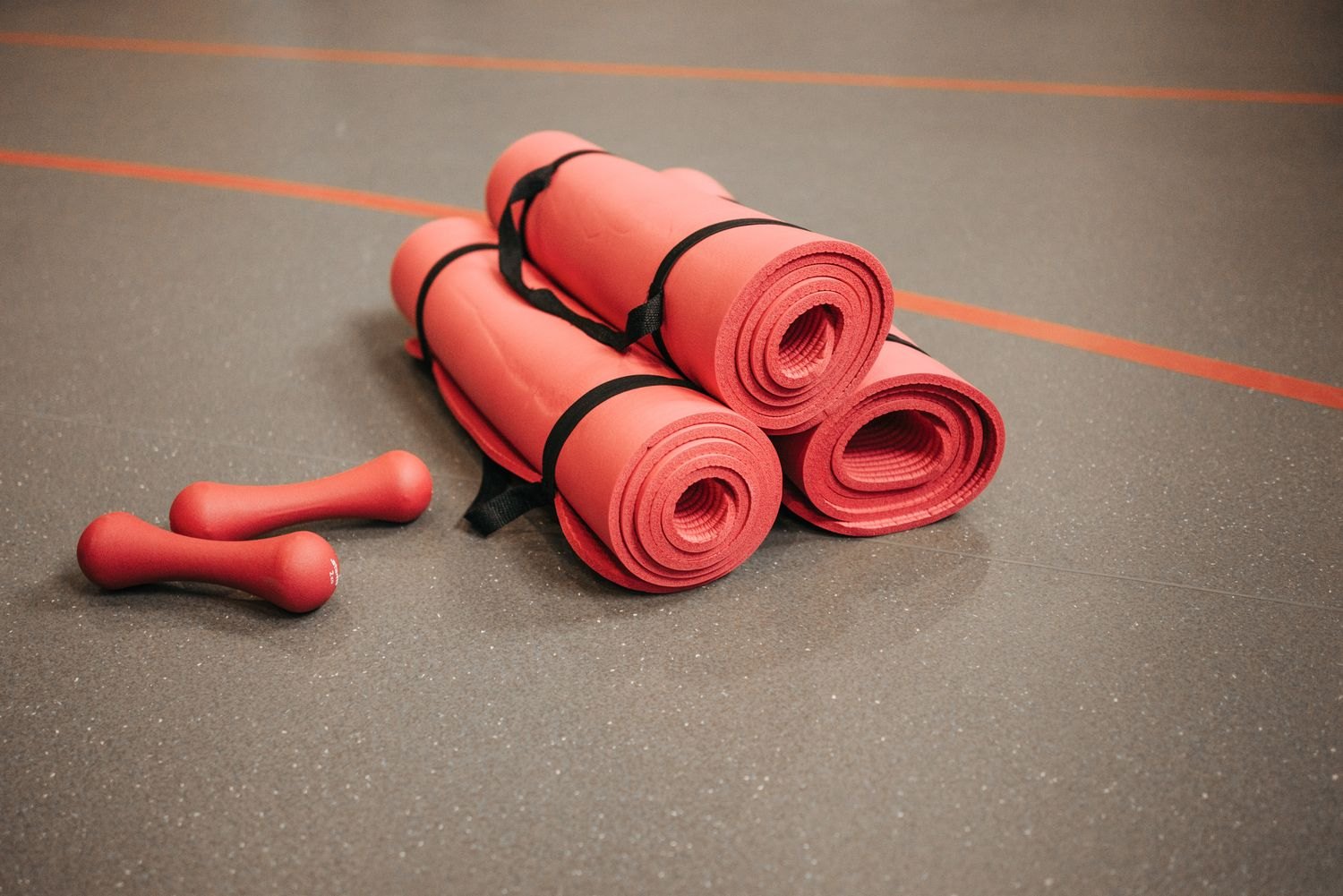
A mat can soften contact with the floor and make certain exercises more comfortable. That does not mean it will prevent sound from traveling into the room below. A product's thickness alone tells you little about how an impact will pass through the building.
Separate the problem you are trying to solve. Knees pressing against a hard floor call for suitable cushioning. Feet sliding during movement call for dependable grip. Noise from jumps or weights being dropped calls first for changes to those actions. Buying one thick product and expecting it to solve all three can make the setup worse.
For standing work, check whether the mat compresses unevenly or lets your feet sink enough to feel unstable. For floor work, check whether it remains flat and whether your hands stay secure. A soft mat that feels pleasant while lying down may not be the best base for a loaded standing exercise.
Change the impact before changing the floor
Try stepping rather than jumping, placing weights down rather than dropping them, and taking time when moving from standing to the floor. These changes address the source of many home-workout thumps. They also give you a clearer idea of whether additional flooring is needed at all.
Do not stack several loose mats to create a homemade platform. Layers can move independently and raise the edge of the exercise area. An uneven boundary is especially awkward when a routine includes side steps or repeated changes of direction.
If equipment needs protective flooring, follow its manufacturer's installation guidance and check the requirements of the building. Flooring rated for one purpose is not automatically suitable for a heavy machine or repeated dropping of weights. Structural capacity, floor protection and acoustic performance are separate questions; appearance cannot answer them.
In a shared building, a short conversation and a controlled trial can be more informative than a product description. The person below may hear one particular movement clearly while barely noticing another. Arrange the trial at a reasonable time and ask about the actions separately.
Keep the mat because it improves the exercises it actually supports. If the main goal is quiet movement, build the routine around quiet movement. The mat can help make that routine comfortable, but it should not become permission to ignore what the room can transmit.