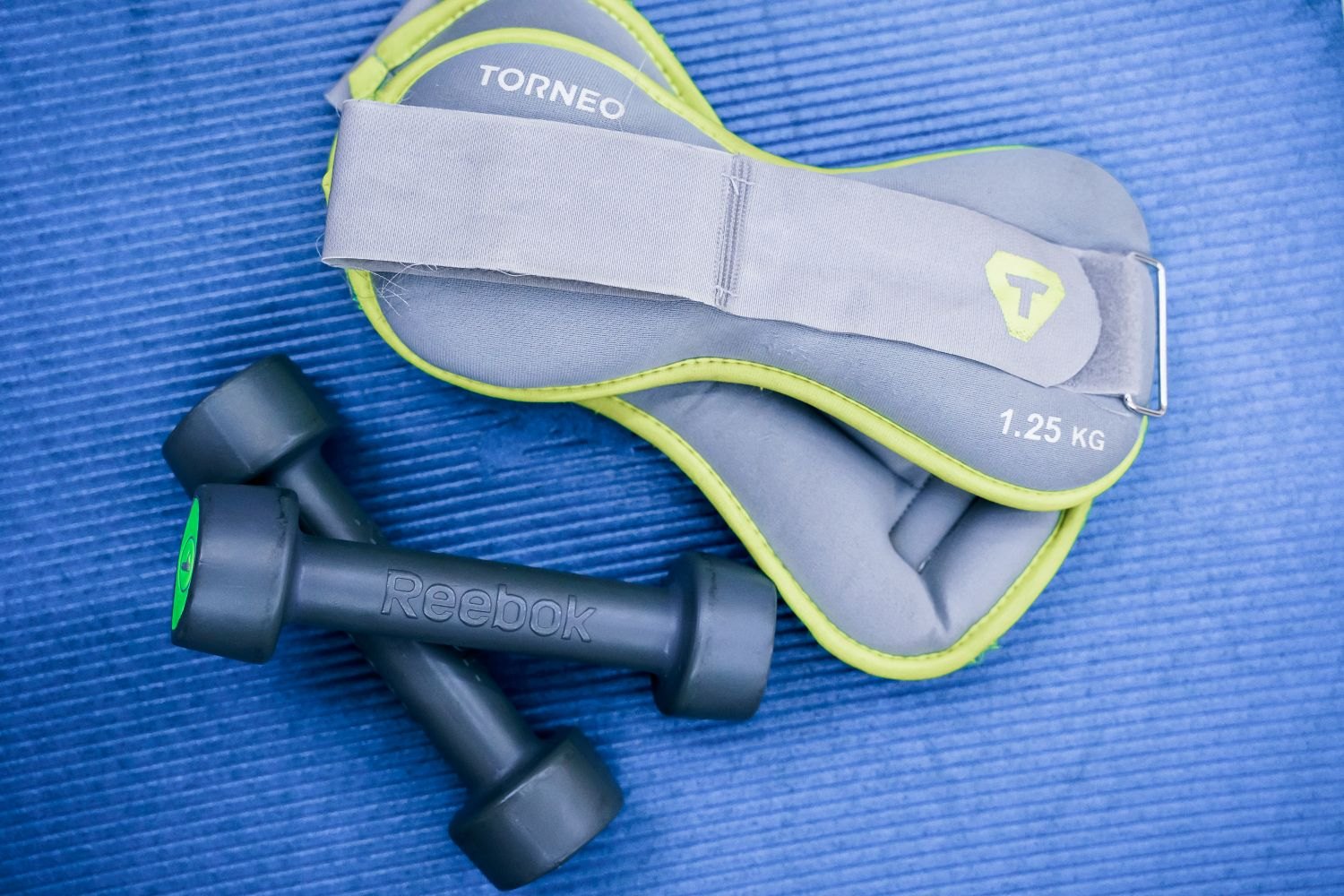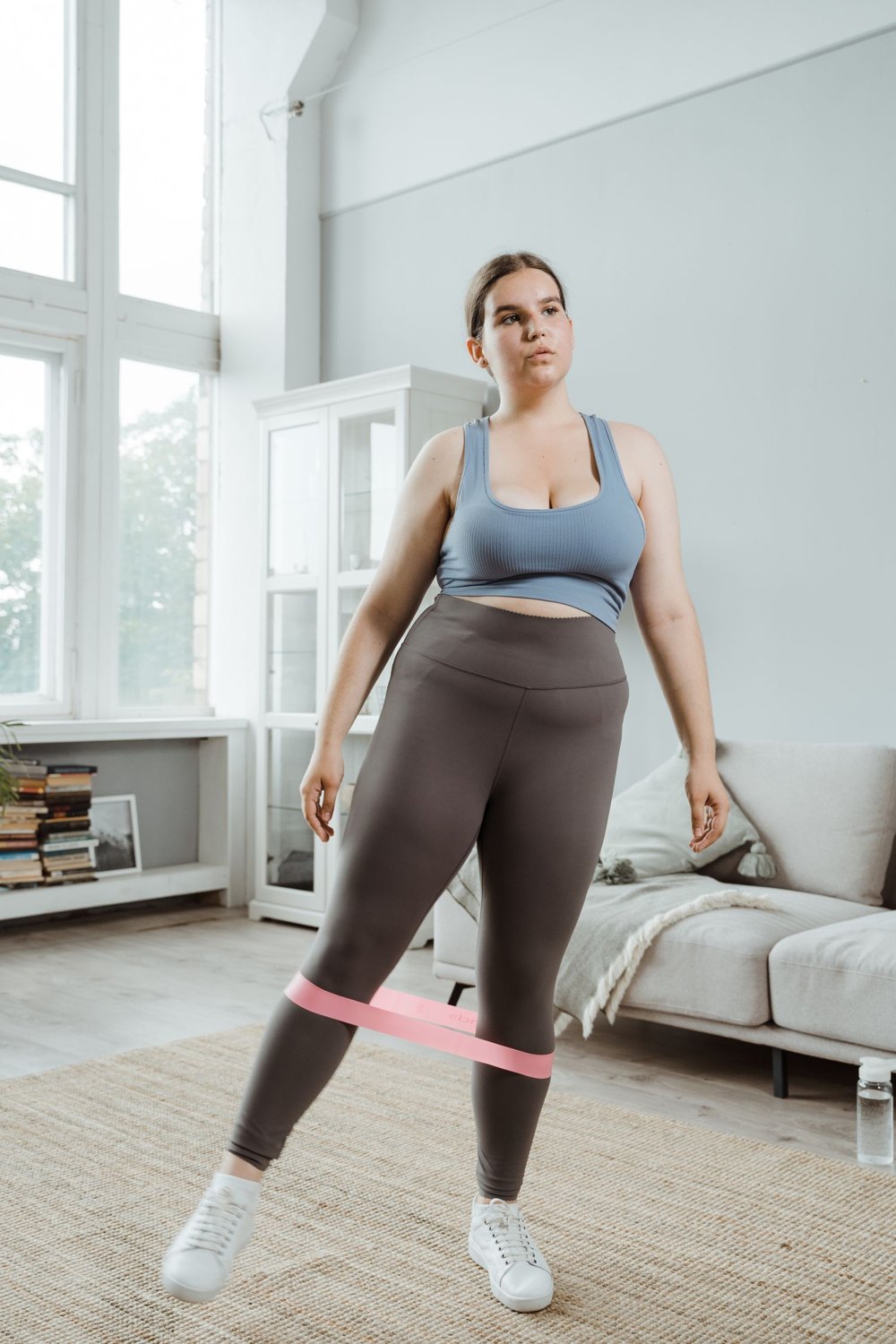
Removing jumps from a workout is not cheating. It changes how the session loads the body and how much impact reaches the floor. That can be useful in a shared building, a small room or a routine where you want a more controlled pace.
Look at what the jumping exercise is meant to contribute. If it is a general movement interval, a steady march or side step may serve the session. If it is a strength movement with an added jump, a controlled version without takeoff may be appropriate. These options are not identical training stimuli, so choose them for your current aim rather than promising the same result.
Replace one element at a time
For a jumping-jack pattern, stepping one foot out at a time removes the landing while retaining a simple change of stance. Keep the arm movement within a comfortable range and the room's clearance. For a squat jump, a familiar bodyweight squat can be an alternative when the aim is ordinary lower-body work rather than jump performance.
A fast floor-to-standing sequence is more complicated. You do not need to recreate every part of it. A standing march, a wall push-up or a separate familiar strength movement may fit the session better than repeatedly lowering yourself to the floor just to resemble the video.
Check the replacement at an easy pace before adding speed. Low impact does not automatically mean low difficulty or suitability for every person. A rapid lateral step still needs grip, balance and room. If pain or instability prompted the change, choose a comfortable option and seek individual advice when needed.
Do not compensate by rushing
It is tempting to make a quieter alternative much faster so it feels equally demanding. That can recreate the loss of control you were trying to avoid. Increase pace or duration gradually if that suits the goal, while keeping the movement understandable and the surface secure.
You may also need to adjust the video's interval. A slower movement can involve fewer repetitions in the same time. That is acceptable. Match the effort and control you intend, not the number displayed beside an exercise designed around jumping.
Keep a few substitutions written down so the decision is easy next time. When the instructor announces a jumping section, you can begin your chosen alternative immediately rather than spending half the interval debating it. The workout becomes your own usable routine, with a clear reason for each change.