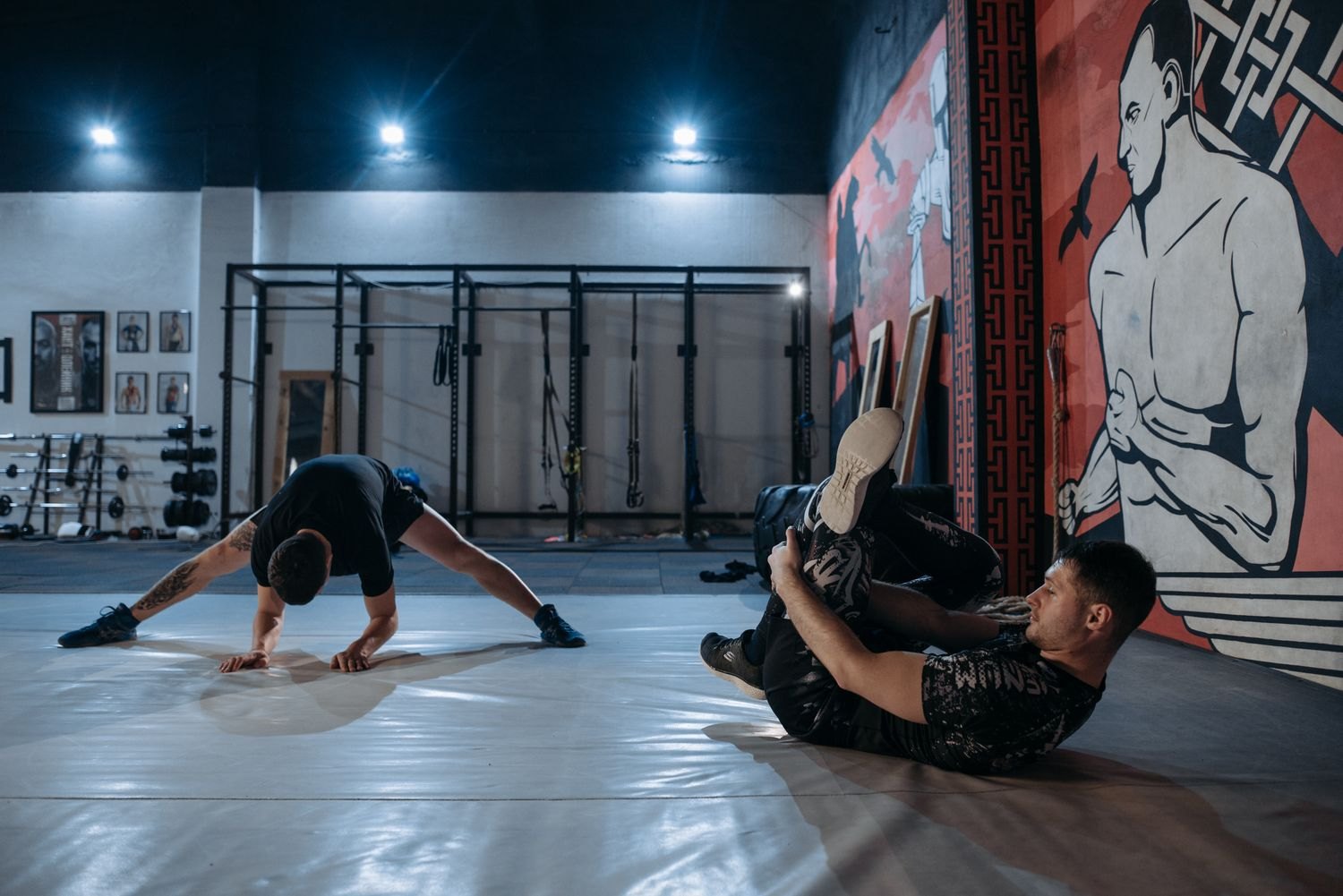
The day between strength sessions leaves room for choice. You might take an easy walk, perform a few comfortable movements or simply continue with ordinary daily activity. The important part is not the label active recovery; it is whether the day remains appropriately easy for you.
A long, steep walk can be demanding even without weights. A mobility class can involve sustained positions and substantial effort. Do not assume an activity is restful merely because it uses a different name from your gym session.
Choose by how it feels and what follows
If the next strength session is tomorrow, consider what today's activity asks of the same muscles and your overall energy. A short, conversational walk may fit well. A challenging hill route chosen to meet a step target may change the week's workload much more than you intended.
For an easy movement session, keep the range comfortable and the sequence familiar. You might use a few gentle seated turns, a supported ankle movement or a brief walk around the room. There is no need to stretch intensely or chase a feeling of release.
Mild post-exercise soreness may allow comfortable easy activity, but significant pain or soreness that alters normal movement calls for a different decision. Avoid using movement to push through a problem simply because the day was labeled recovery. Seek advice about symptoms that are severe, persistent or concerning.
Keep the plan from expanding
Set a modest stopping point before beginning. Without one, an easy walk can become a long outing because you feel better after the first few minutes. Feeling comfortable is welcome, but it does not require using every bit of available energy.
You can also choose complete rest from formal exercise when that suits your circumstances. Household activity, commuting and work may already make the day physically full. There is no obligation to add a routine to justify taking a lighter day.
Record an unusually demanding extra activity if it might explain how the next session feels. Otherwise, an easy day need not generate a detailed training entry. Its purpose is to fit between the harder sessions, not compete with them in the notebook.
When the following workout arrives, use the warm-up to assess readiness rather than assuming the schedule guarantees recovery. A flexible week can include both purposeful training and ordinary movement, with enough room for the effort of each day to make sense.