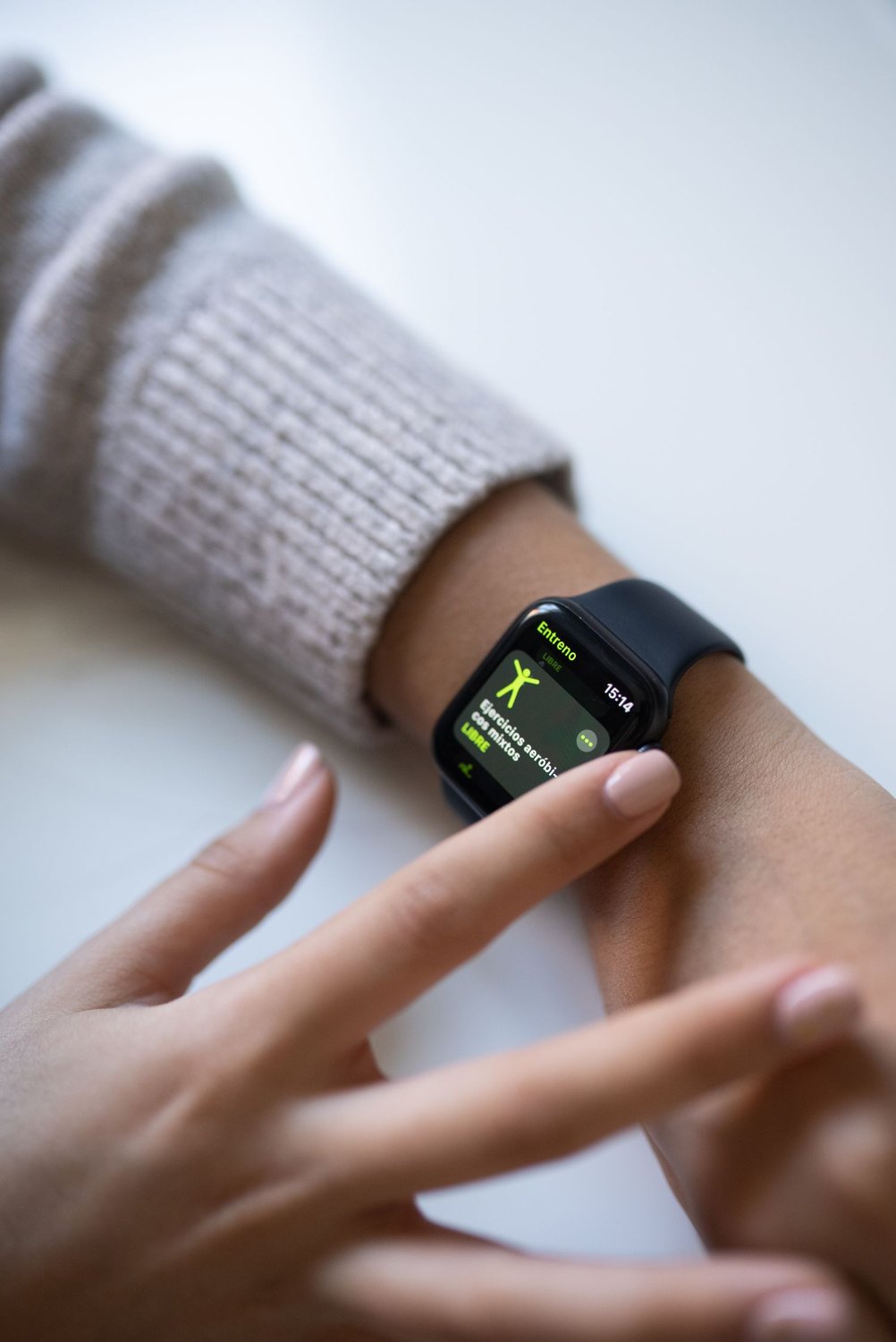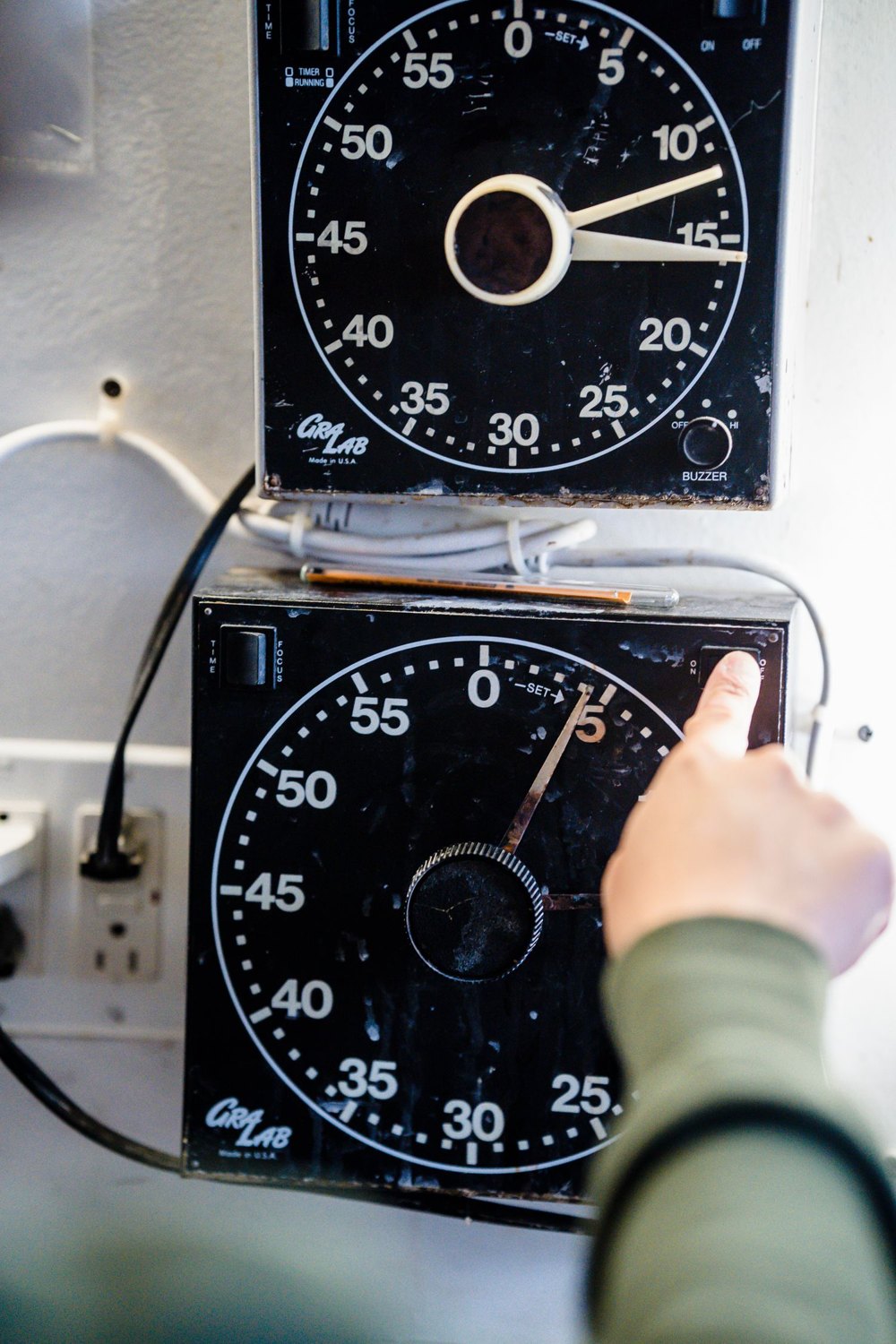
A timer is useful when it removes the need to keep checking a clock. If the digits are too small to read from the exercise area, it adds another interruption instead. Before choosing one, decide where it will sit and how far away you will be.
Try the display in the lighting you expect to use. Bright digits can look clear in a dark product photograph yet become difficult beside a sunny window. Contrast, size, and viewing angle all matter. If you use a phone, place it securely where you can see it without turning your head awkwardly during an exercise.
Test the controls, not just the countdown
Set a simple work period and rest period. Check whether you can start, pause, and reset without several menus. A device that is easy to program once but difficult to correct mid-session may be frustrating when the routine changes.
Consider the signal. A loud alarm may be useful in a busy room but inappropriate in an apartment or shared space. Look for a volume or vibration option that suits your needs, and confirm that you can notice it without being startled. Do not rely solely on a sound you routinely miss beneath music.
For repeated intervals, verify the order before starting. Some timers count preparation time separately, while others begin the first interval immediately. Run a short rehearsal so that the first unexpected beep does not occur while you are holding equipment.
A timer should mark time, not dictate whether you are ready. If you need longer to recover, adjust the rest rather than rushing because the device has reached zero. Likewise, stop a movement if it becomes uncomfortable or uncontrolled instead of continuing solely to finish the interval.
Check power and storage. A battery-powered timer should be easy to switch off and maintain, while a mains-powered unit needs a safely routed cable. Keep cords away from walking and lifting areas. A phone used for timing should have enough charge for the session and any other necessary use.
The right timer can be a simple one. Choose a clear display, understandable controls, and a signal you can use in the room. Extra programs only help when they reduce effort for a routine you actually follow.