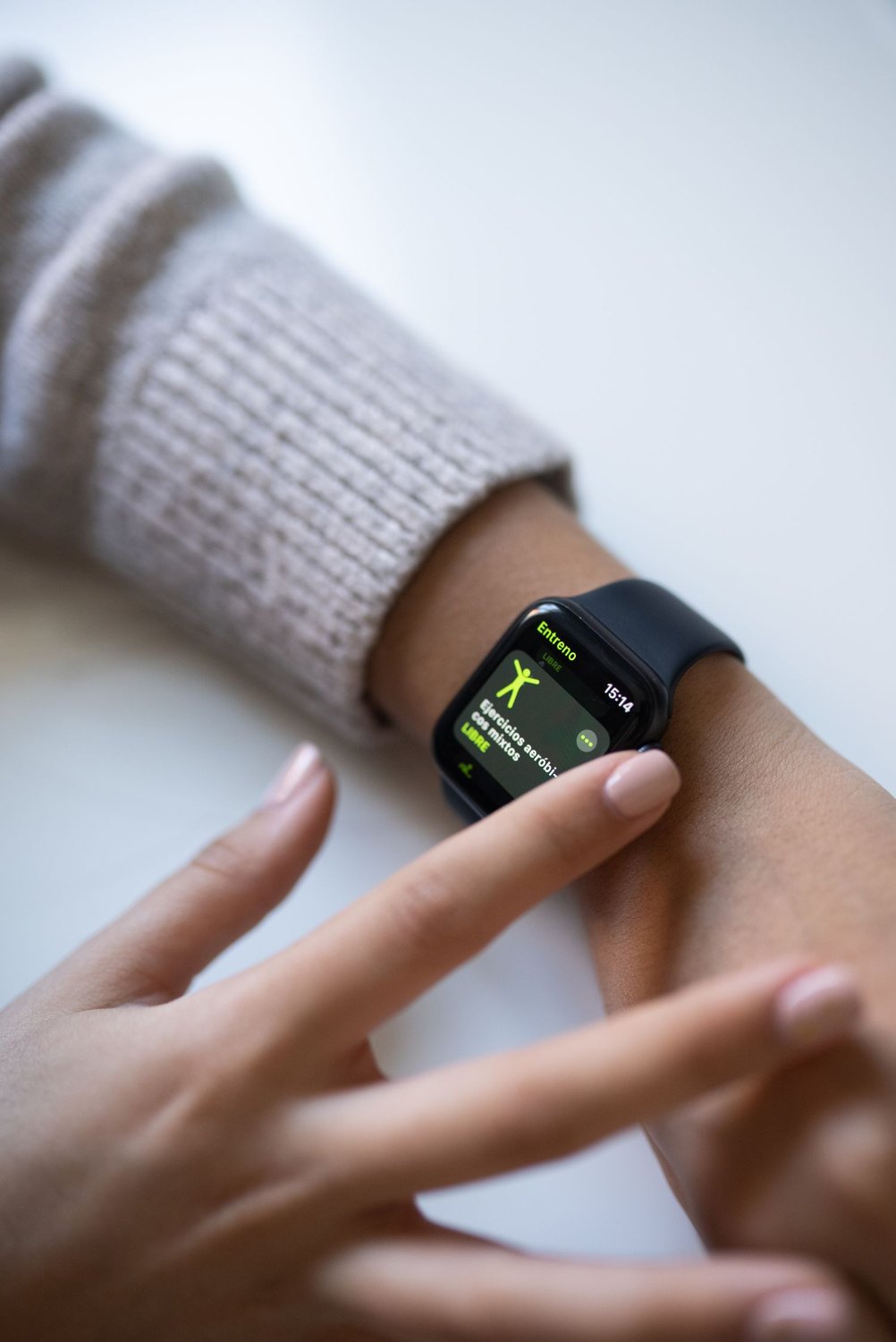
Opening a fitness app can produce more questions than the walk itself. Pace, heart rate, steps, estimated energy, and several readiness scores compete for attention. Before reviewing the dashboard, decide what you wanted the device to help you notice.
A question such as whether you walked on more days this month is straightforward. So is whether a familiar route has become more comfortable at a similar pace. A vague question about whether you are getting healthier asks much more than a consumer device can answer on its own.
Choose a measure that fits the question
For consistency, look at dates or sessions. For time outdoors, use duration while remembering pauses and forgotten recordings. For a familiar route, pair the recorded numbers with a brief note about effort and conditions. Do not use estimated calories as a substitute for every other observation simply because the app displays them prominently.
Keep the comparison fair. A hilly trail and a flat neighborhood loop are not equivalent tests. Neither are a rushed lunch break and a relaxed weekend walk with a friend. The context may explain the difference better than a claim that your fitness changed overnight.
Look at several outings rather than one unusual point. Missing data, a loose sensor, or an interrupted recording can distort an individual session. Check the manufacturer’s guidance when readings repeatedly look implausible. Avoid changing the plan to satisfy a number you do not understand.
Set a modest review interval. Looking back once a week or after several similar outings may be enough for the question you chose. Constantly checking can make a useful record feel like a live judgment. You can disable notifications that do not help you make a decision.
Write down the action you might take before studying the graph. If the question concerns consistency, the response may be moving one walk to a more reliable time. If it concerns route comfort, the response may be repeating the same route. A result does not always require an increase in intensity or a new purchase.
When the question has been answered, you can stop tracking that measure for a while. Data collection is optional equipment for a routine, not the routine itself. The most useful dashboard is the one that leaves you with a clearer next step and less need to keep looking at it.