A physical reference can make an abstract instruction easier to understand. Moving the hips toward a nearby wall gives a hip hinge a direction. Placing hands against a wall offers support for a gentle calf stretch. Neither use requires treating the wall as a measuring device for your body's worthiness.
Choose a solid, clear section of wall with a nonslip floor beside it. Avoid glass panels, loose fixtures and surfaces that could be damaged by pressure. Leave enough room to step away comfortably.
Decide what the wall is doing
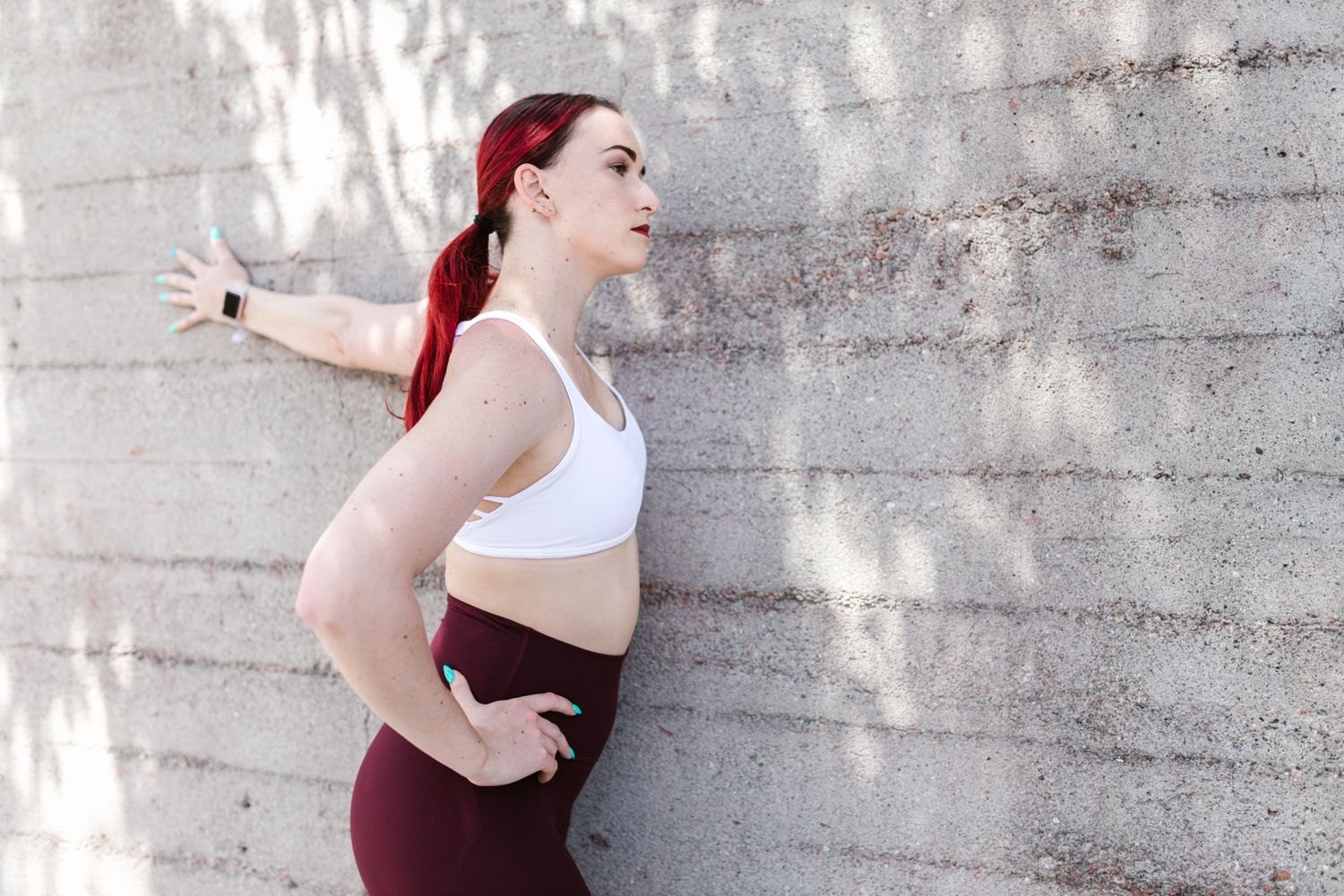
If it is providing balance support, keep the hands at a comfortable height and use only the pressure needed to feel stable. If it is a movement target, place yourself close enough to reach it without a lunge, fall or forced stretch. These are different purposes and may require different distances.
For a light hinge rehearsal, stand with the wall behind you and gently move the hips backward toward it. The contact can be small. If you have to rock onto the heels or reach dramatically, step closer and try a shallower movement. There is no prize for standing farther away.
For a supported calf stretch, the wall helps you balance while arranging the legs. Keep the position comfortable and avoid pushing through pain to flatten a heel. The support should simplify the movement, not encourage more force.
Do not assume that failing to keep several body parts against a wall identifies a posture defect. Body shape, stance and the particular task influence contact. Online wall tests often omit that context. A qualified professional can assess a genuine concern more usefully than a single pass-or-fail position.
Keep the feedback modest
Try a few repetitions, then step away and see whether you understand the movement better. You may not need the reference on every repetition once the direction makes sense. Alternatively, it can remain useful support for as long as you need it.
A brief note such as “closer to wall made the hinge easier to find” captures the practical lesson. Avoid turning the distance into a competition or constantly increasing it to manufacture progress.
If the movement causes pain or the wall does not make the setup comfortable, choose another option. A reference is useful when it reduces uncertainty. When it becomes another constraint that you have to contort around, it has stopped serving that purpose.