An unfamiliar exercise can look simple until you try to organize your own arms and legs. That moment of uncertainty is a reason to slow the introduction, not to add speed so the movement feels more fluent.
Watch or read the whole sequence first. Include the starting position and the way out. A floor movement may be straightforward once you are positioned but difficult to enter; a standing movement may require more balance than the demonstration suggests.
Remove one demand
Begin without added resistance where appropriate. Use a stable support if balance is not the skill you are trying to learn. Choose a small range so you can reverse direction before feeling stuck. These adjustments leave more attention for understanding the movement.
Try a few repetitions and pause. Can you describe what you intended to move? Did the position feel comfortable? Did you know how to finish? Those questions are more useful initially than whether you completed the same count as a video instructor.
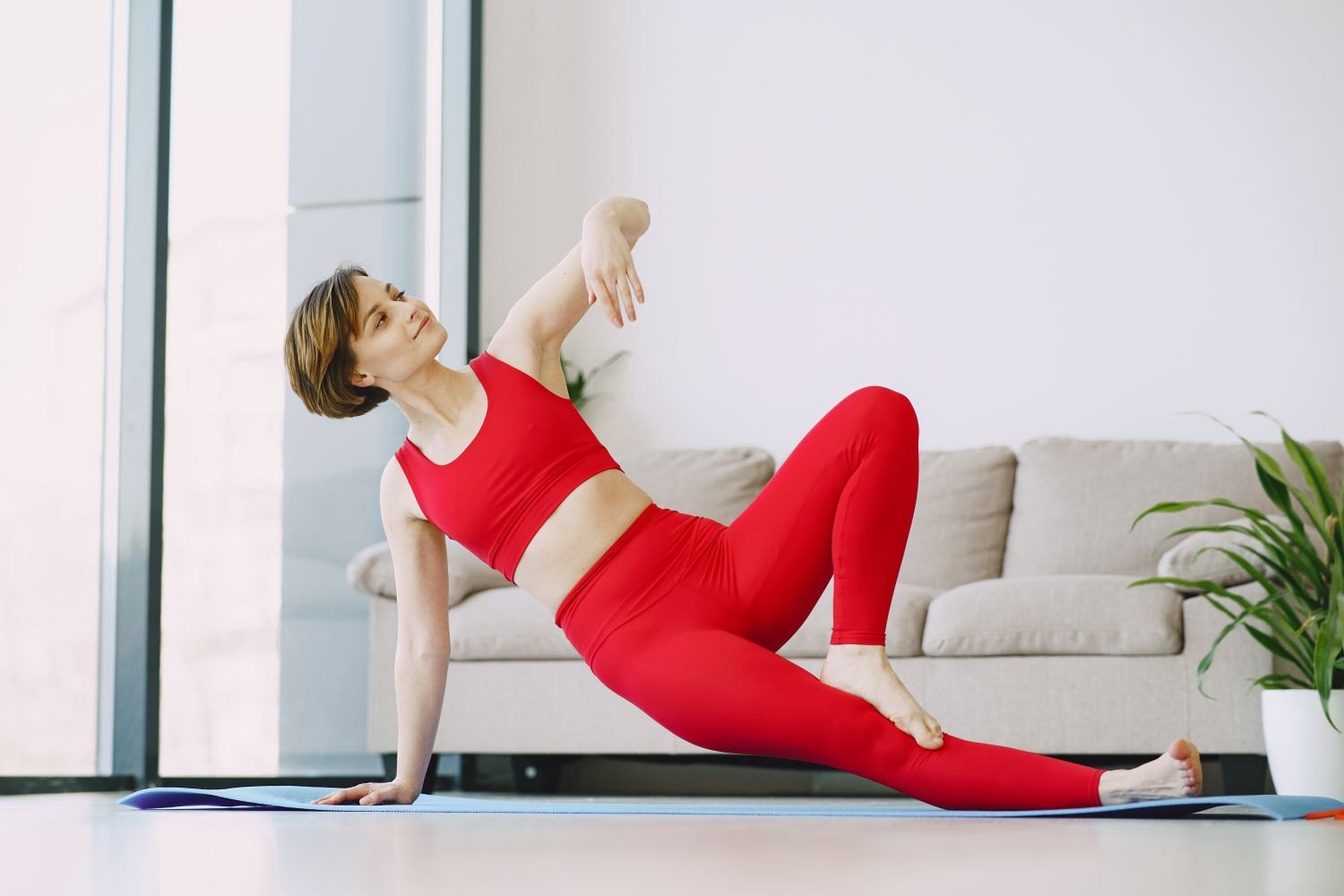
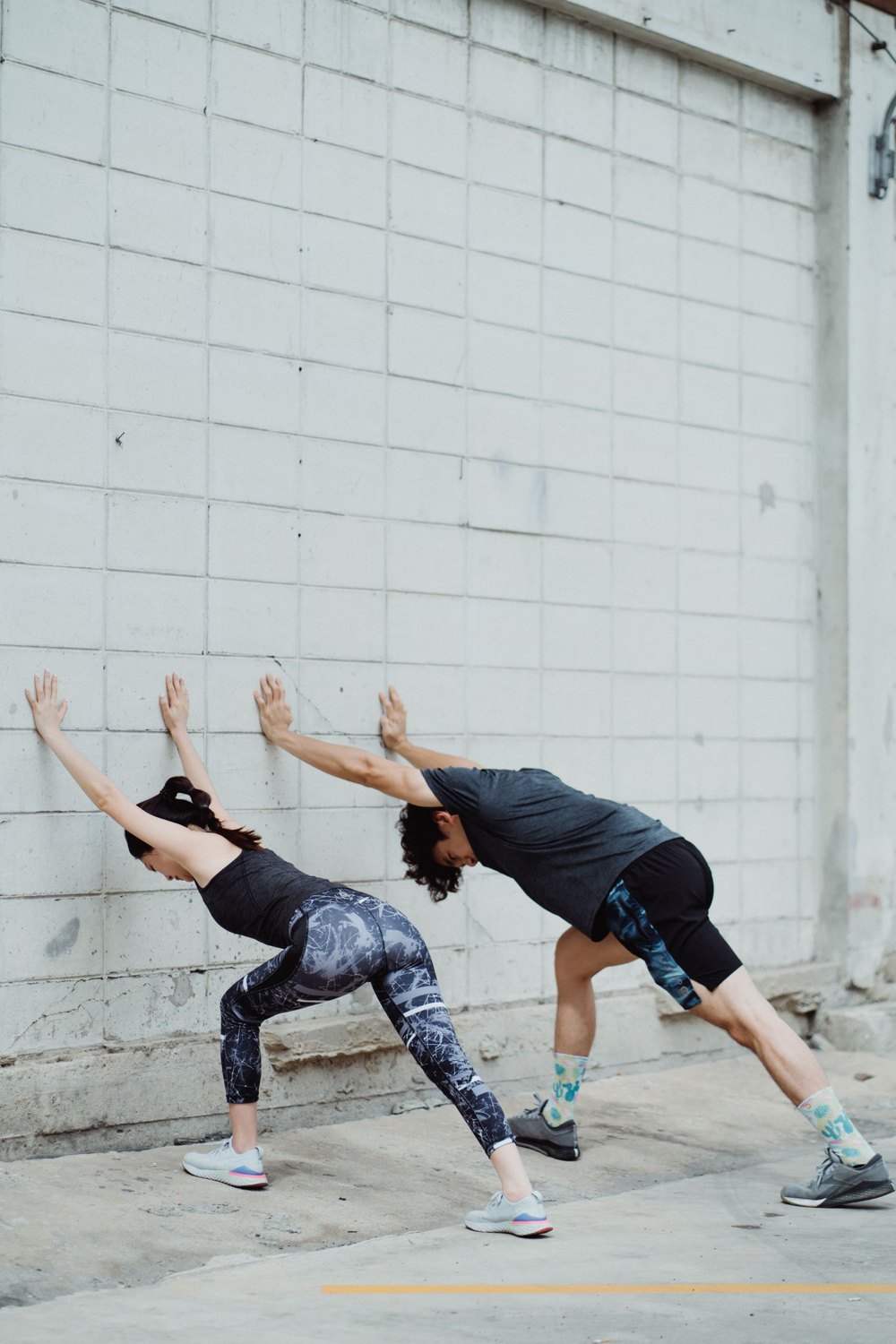
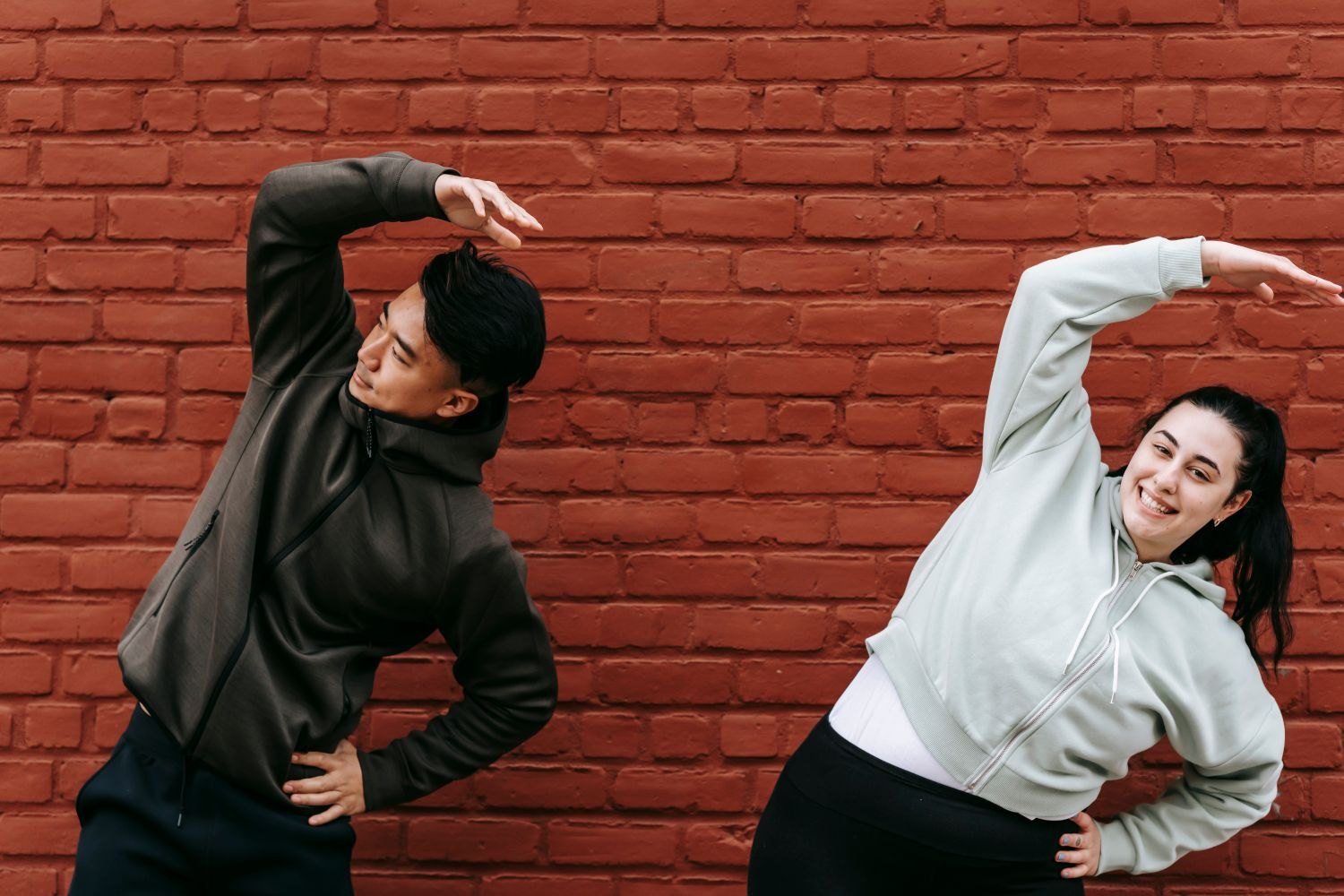
Do not judge the exercise solely by a photograph. A still image cannot show speed, pressure, the transition between positions or the variations available. Use an instructional resource that explains the movement, and seek qualified help if important details remain unclear.
If a cue makes the task more confusing, ask what it is intended to change. One clear instruction can be enough for the next attempt. Collecting several contradictory cues while moving usually creates more work than it resolves.
A movement does not have to become part of your routine just because you tried it. It may need more instruction, a different version or a different setting. It may simply be unnecessary for your goal. You are choosing useful activity, not completing a catalog.
Stop if there is pain or a concerning symptom. Awkwardness from learning and discomfort that needs attention are not the same thing, and forcing repeated attempts is not a reliable way to tell them apart.
When the movement begins to make sense, repeat the same manageable version on another occasion. Familiarity can grow through short, attentive practice. Add range, load or complexity only when there is a reason, keeping the ability to enter, perform and leave the exercise under control.