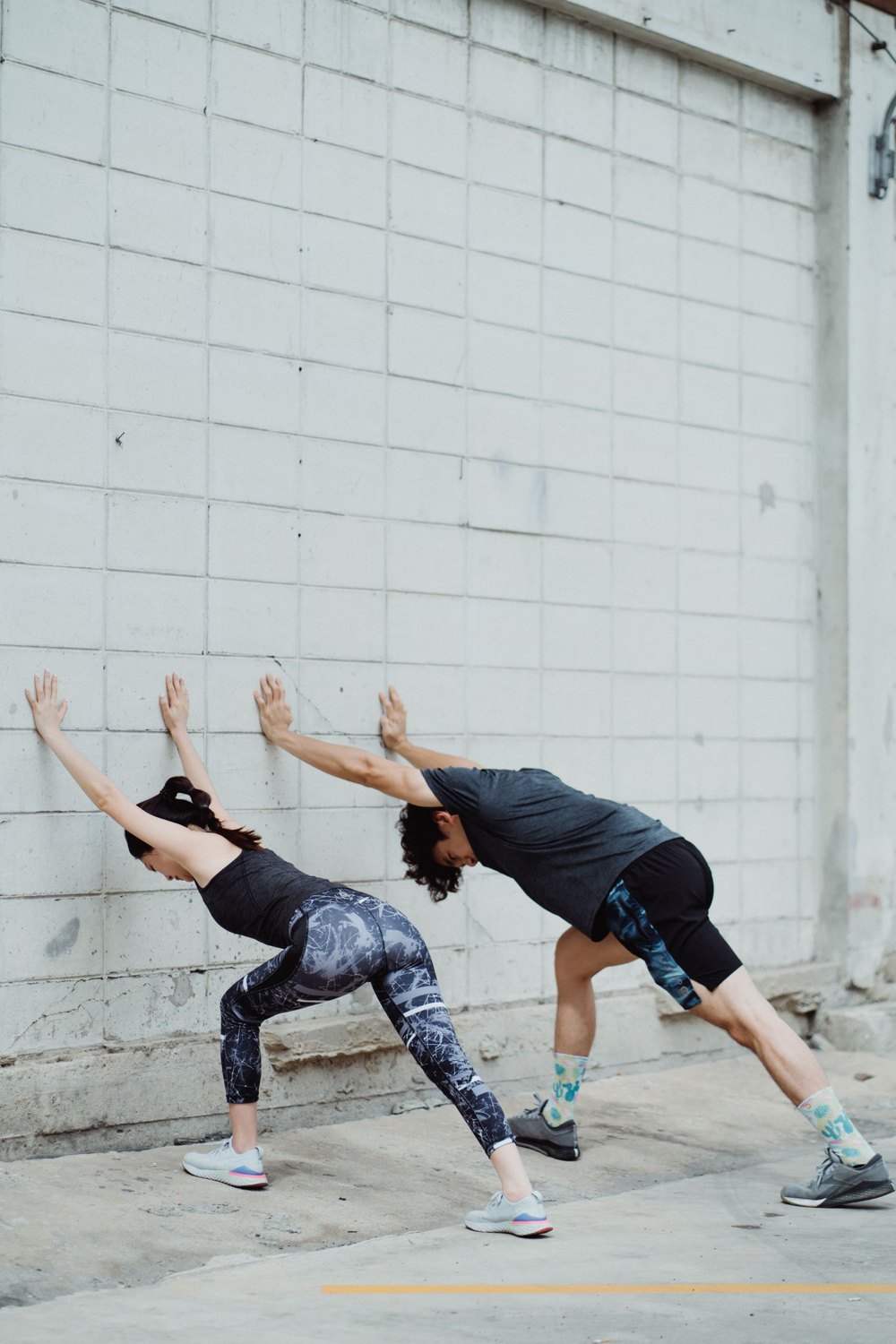
Balance practice is meant to challenge your ability to control position. That does not mean every source of instability is useful. There is a difference between deliberately adjusting your stance and discovering that the chair beside you rolls when you reach for it.
Set up the environment before beginning. Use level, uncluttered flooring, suitable footwear and enough light to see the area around your feet. Keep a dependable support within reach. Remove loose rugs, cables and objects that could obstruct a recovery step.
Identify the intended challenge
You might bring the feet a little closer together or shift weight slowly while keeping support available. Those are changes you can choose, repeat and make easier. A wet floor, moving pet or wobbling table adds unpredictable demands that are not necessary for practice.
If the setup makes you afraid to move, simplify it. Stand with a wider base, use more hand support or choose a seated alternative while seeking guidance about an appropriate starting point. Anxiety about falling is relevant information, not something to dismiss as a lack of commitment.
A soft pad or closed-eye variation can make balance work harder, but those are specific progressions rather than default improvements. Do not add them merely because the basic version looks too ordinary. A qualified professional can help choose appropriate challenges, especially for someone with falls, dizziness or a condition affecting balance.
Plan how to recover
Before the attempt, know where both feet will return and what support you will use. Keep that space clear. If you need repeated sudden grabs, the chosen exercise may be too demanding, even when the room itself is safe.
End while you can step back into a stable position deliberately. Fatigue can change a manageable exercise into something less predictable. Rest, reassess and simplify rather than pursuing a time target at any cost.
A useful record separates the exercise from the environment: “firm floor, hand beside counter, feet closer together.” That allows you to compare a later attempt without introducing several changes at once.
The room should provide consistency, not surprise. Once the avoidable hazards are removed, the remaining balance challenge is easier to understand and adjust. That is what makes practice useful; an unsafe setup only makes it harder to know what you are actually practicing.