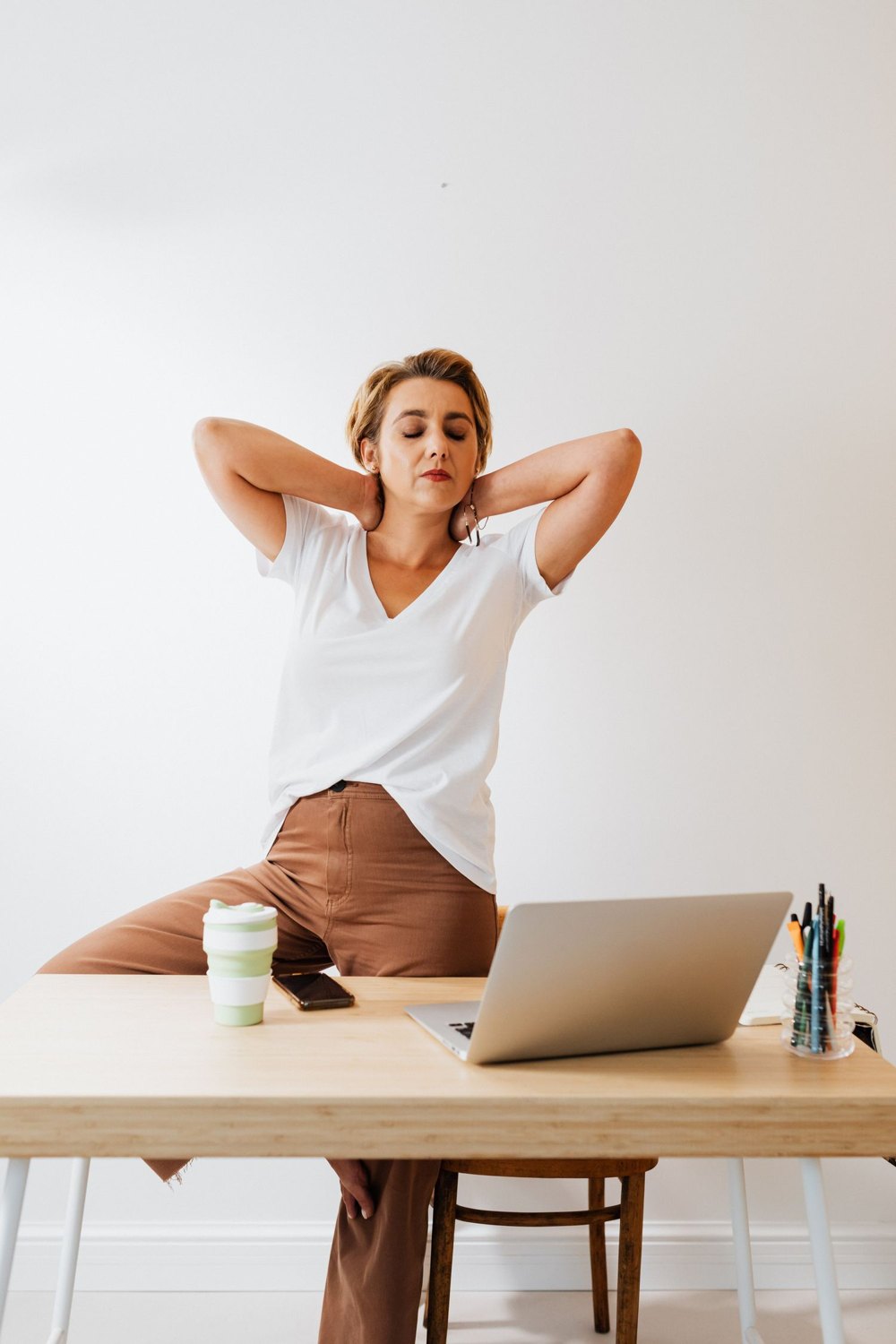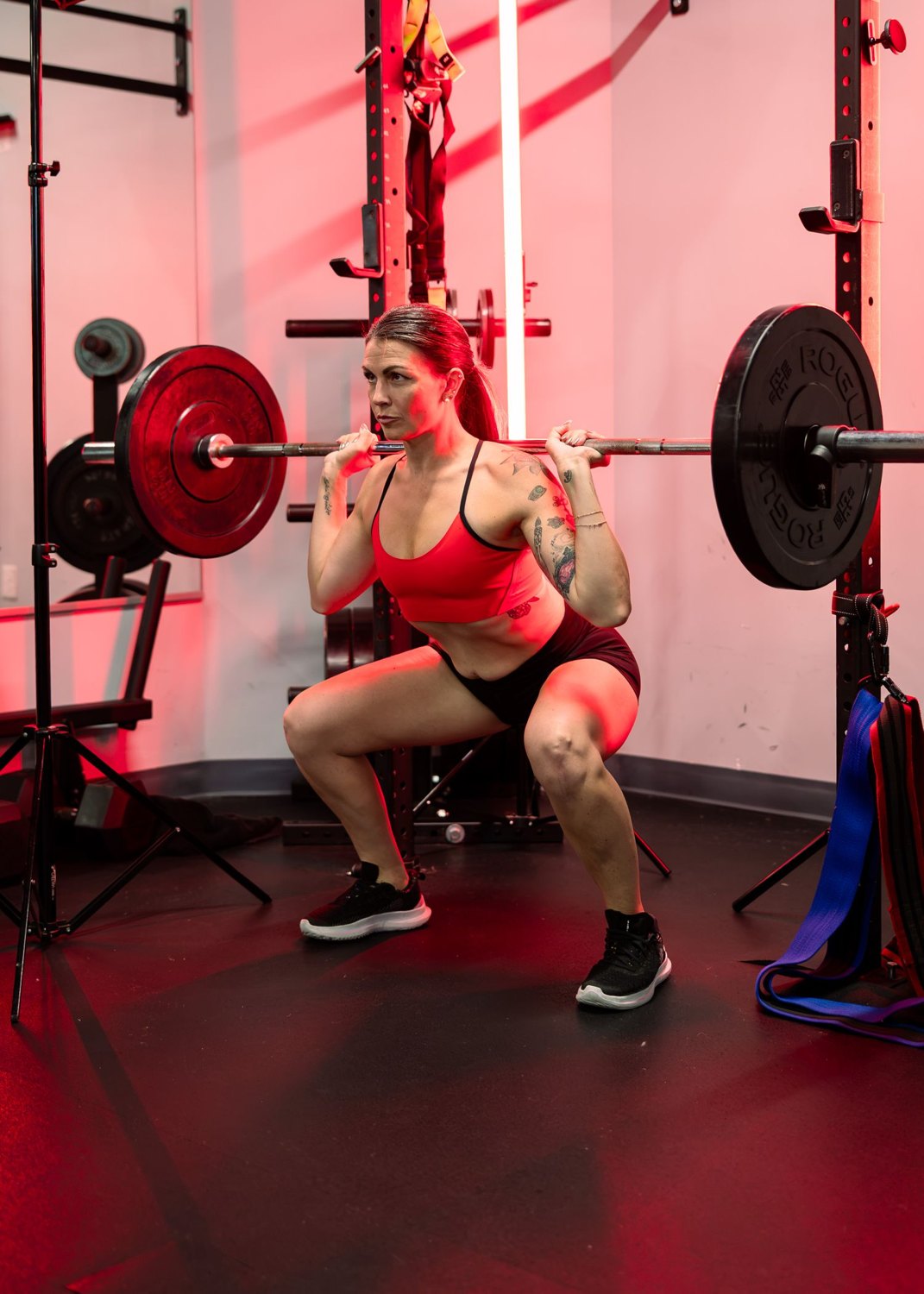
A mobility routine often grows by addition. One video supplies an ankle drill, another adds three hip movements and a third suggests a long shoulder sequence. Before long, the preparation takes more time than the activity it was meant to support.
Begin with one purpose. Perhaps you want a comfortable transition after desk work, a short warm-up before a walk or extra practice of a movement that feels unfamiliar. Different purposes do not necessarily need the same routine.
Keep a small useful selection
Choose two or three familiar movements that relate to that purpose and are easy to arrange. Include the time needed to enter and leave each position. If getting down to the floor is a major undertaking, a standing or seated version may make the routine much more repeatable.
Use a short written reminder only if it helps. A few words naming the movements may be enough. There is no need to track an elaborate score or force a new range every day.
After using the routine several times, review what each element contributes. Does it help you understand the upcoming movement? Does it feel comfortable? Is it included only because you are worried about leaving something out? Remove an element that serves no clear purpose, or ask a qualified professional when you are unsure about a specific concern.
Do not add more movements to chase pain relief indefinitely. Persistent symptoms need appropriate assessment. A general routine is not a diagnostic tool, and an increasingly long list of stretches can delay getting a useful answer.
Put it beside something that already happens
You might use the sequence after shutting down the work computer or before putting on walking shoes. Keep any support or mat accessible without leaving it as a trip hazard. A routine that requires rearranging the whole room is less likely to fit an ordinary busy day.
Allow a shorter version when time is limited. One comfortable movement and a brief walk can preserve the transition without pretending that you completed a longer session. Equally, you can skip it when circumstances call for rest or individual guidance.
The routine can change as your activities change. Its value is not its permanence or length. It is whether a small amount of purposeful movement fits naturally into your week, leaving enough time and attention for the walking, training and everyday tasks you actually want to do.