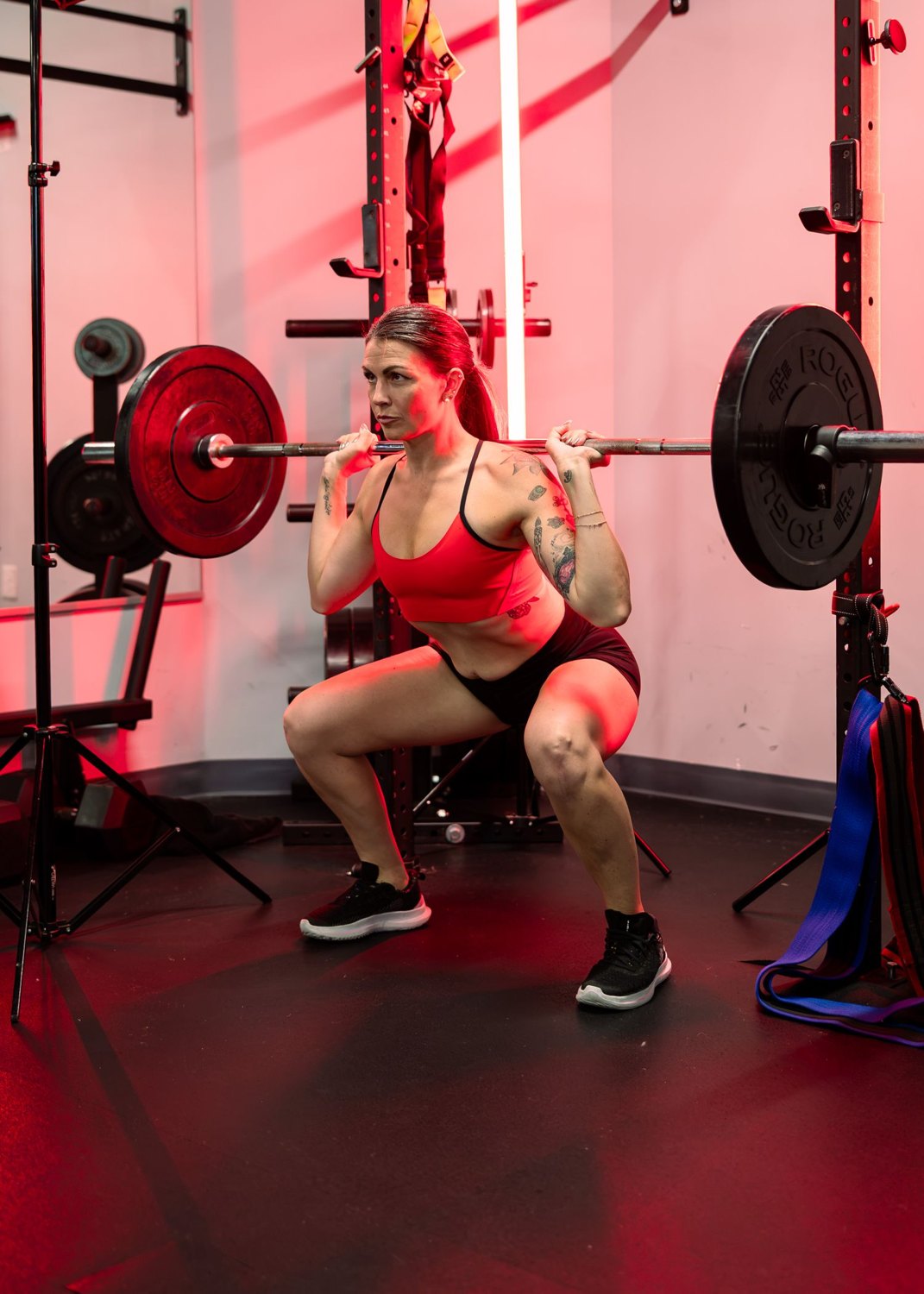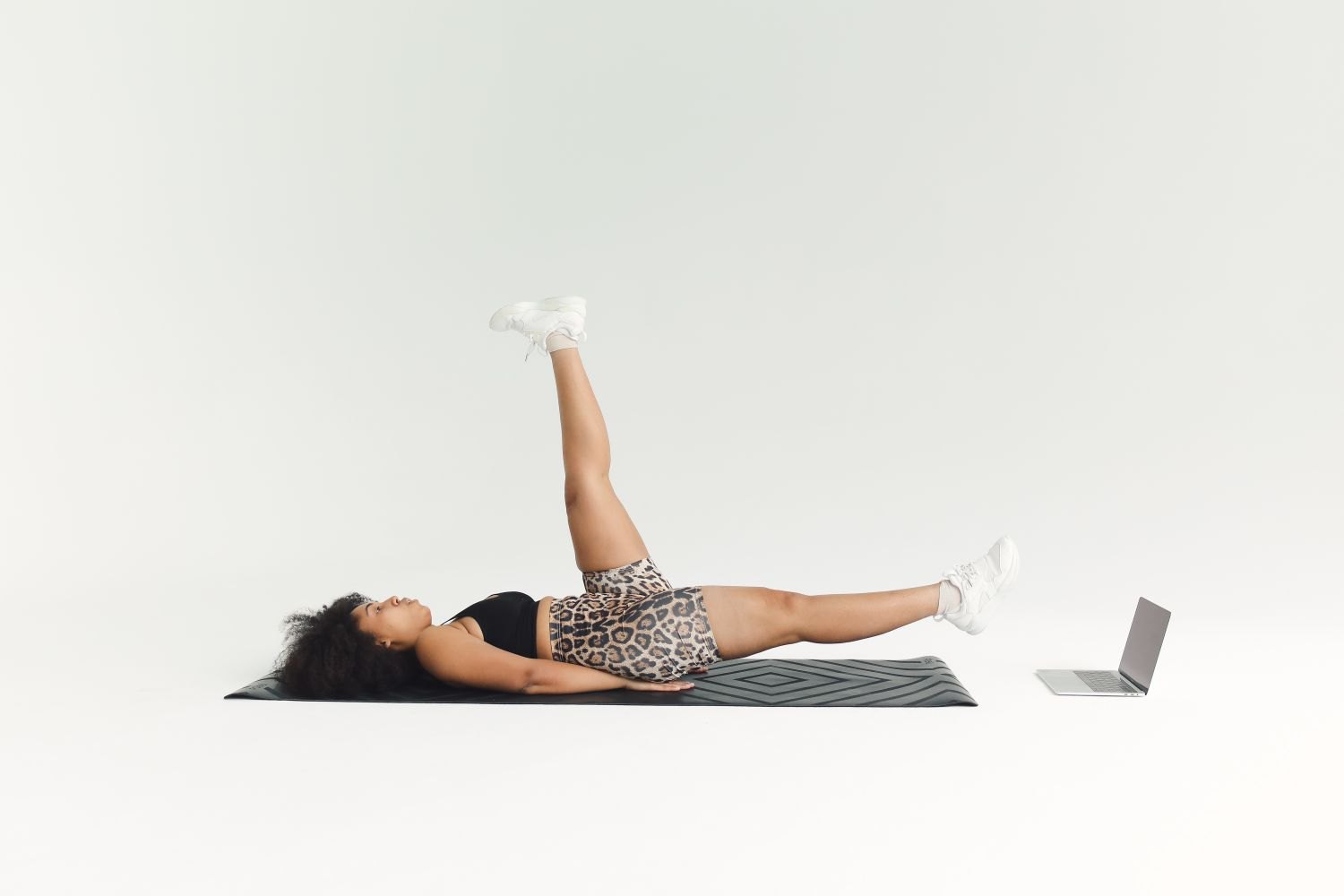
A meeting ends three minutes early. Reaching for another tab is easy; standing up first is another option. Movement breaks fit more naturally when they use a transition that already exists rather than depend on finding a completely free hour.
Choose a small action you can do in your actual workspace. Walk to refill a glass, take a brief loop through the room or stand beside a stable surface and move comfortably. The purpose is to interrupt a long spell in one position. It does not have to look like a formal exercise routine.
CDC guidance encourages adults to move more and sit less. That broad recommendation does not prescribe a perfect break interval for every workday. A reminder can help, but the exact schedule should fit your tasks and opportunities. A break you take regularly is more useful than an elaborate plan that is continually dismissed.
Keep the transition easy
Move a chair back carefully before standing, particularly when cables, bags or wheels are nearby. If you use headphones, check their cable or connection before walking away. Small practical obstacles can explain why a seemingly simple break gets skipped.
Choose movement that does not leave you rushing to the next appointment. A few easy steps or comfortable shoulder movements may fit a short gap; a demanding exercise circuit probably does not. You should be able to return to work without needing an unplanned change of clothes or several minutes to recover your breathing.
When standing is not convenient or possible, changing seated position or performing comfortable seated movements may still offer a transition. Avoid treating a single posture as the only correct one you must hold all day. If you have restrictions or persistent discomfort, seek individual advice about suitable options.
Protect the break from becoming another screen task. You can leave the phone on the desk for a short walk rather than carry the same stream of information into a different room. That is an organizational choice, not a claim that a brief walk will solve every concentration problem.
At the end of the day, ask which transition worked most reliably. After a call? Before lunch? While waiting for a document to load? Build around that opportunity first. There is no need to turn every break into a tracked performance; a simple change of position can remain simple.