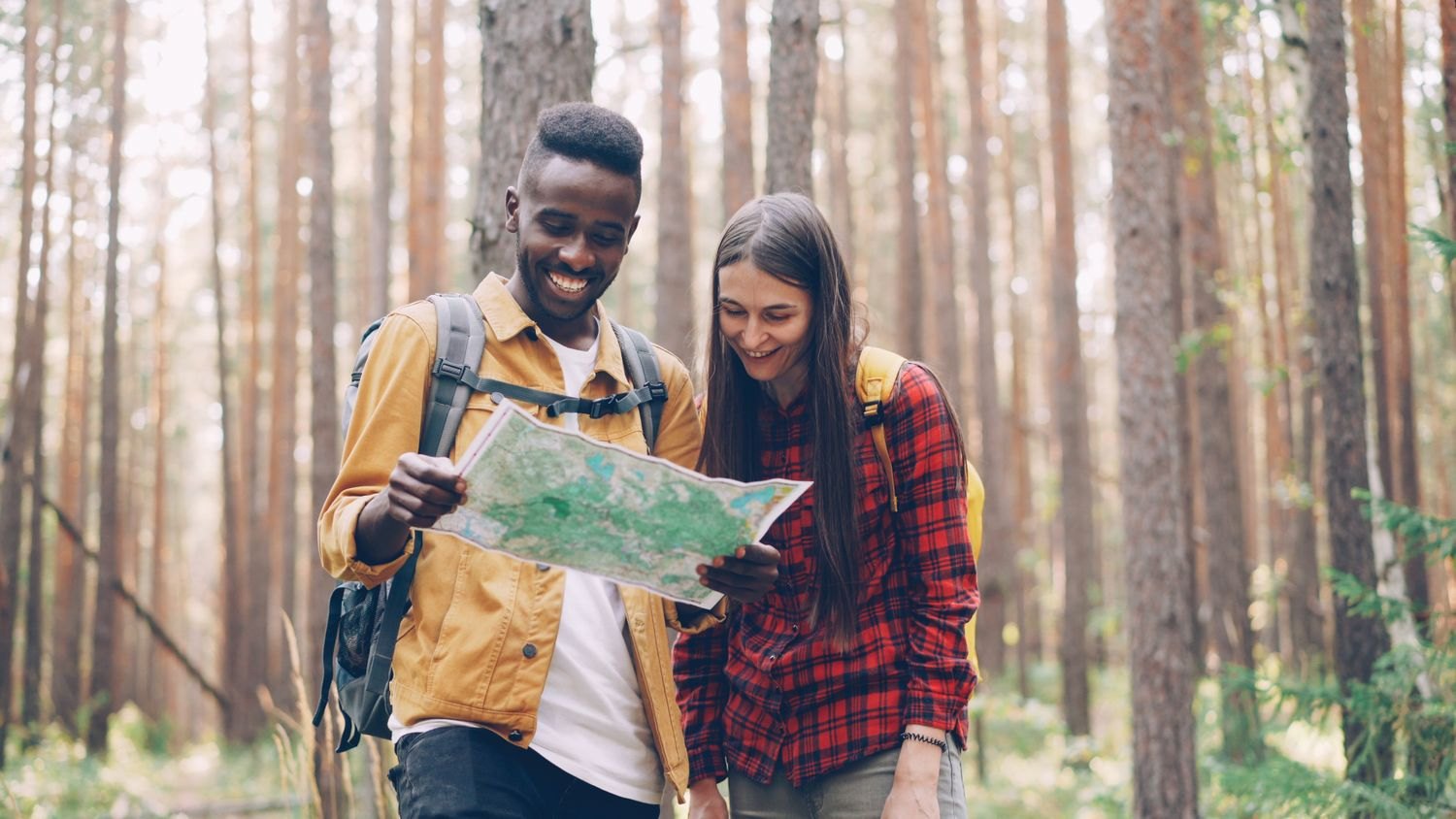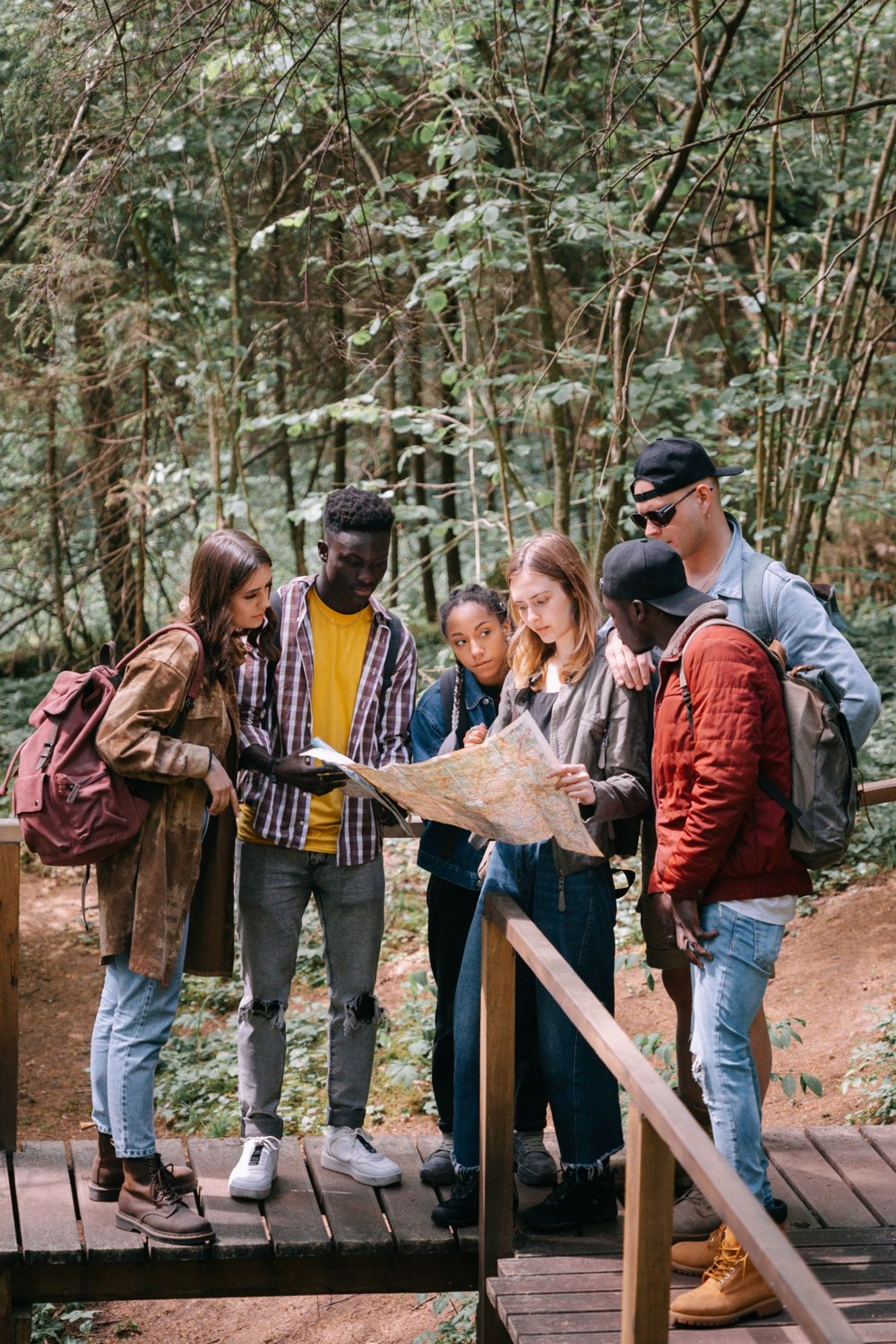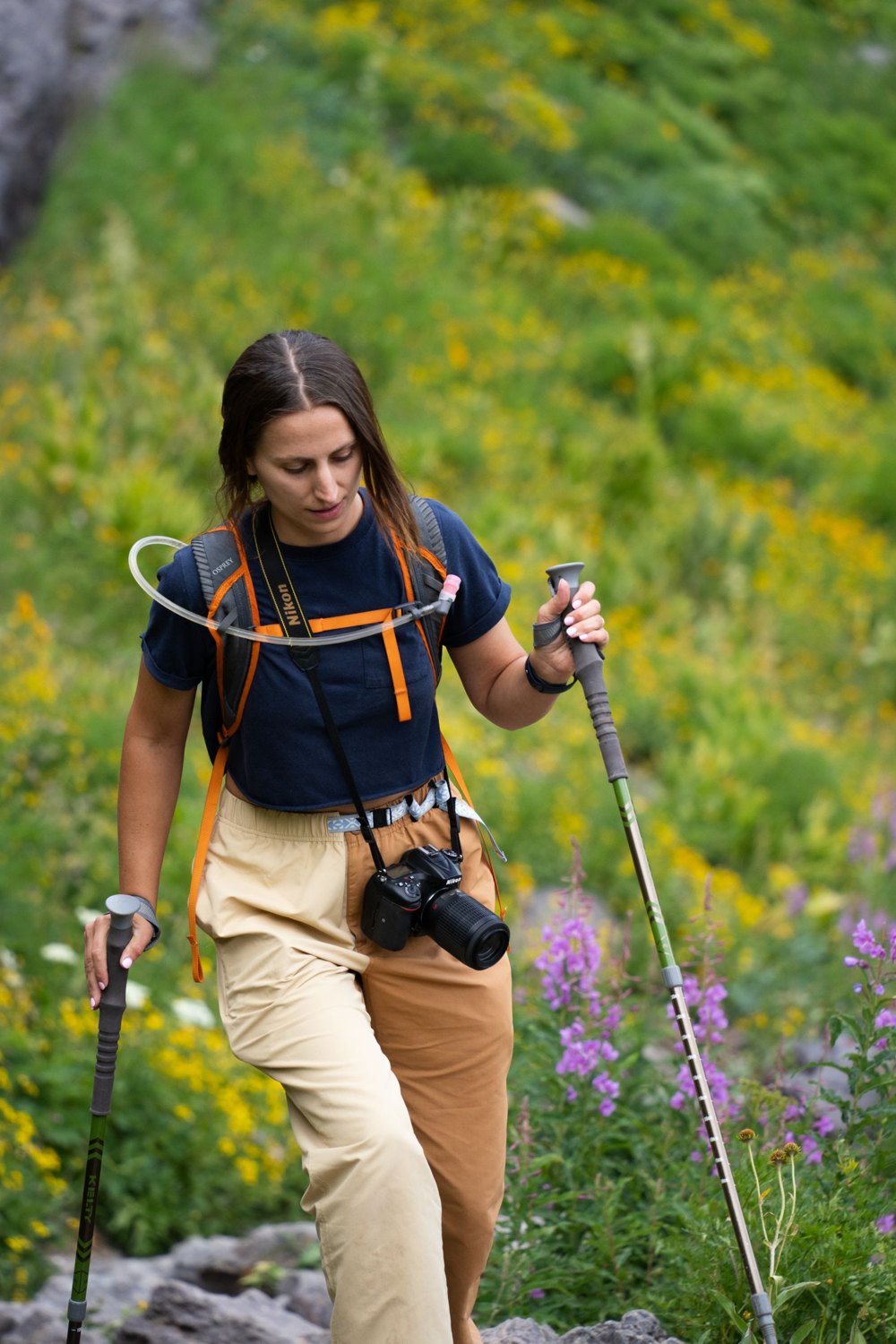
In a short-day season, the start time can matter more than the distance. A walk that feels leisurely on a long summer afternoon may become a rush when the sun sets early. Plan backward from the time you want to be off the trail, not forward from the earliest moment you can get out of the house.
Check sunset for the actual location and date. Then leave a margin before it. Trees, valleys, cloud, and the character of the route can make seeing the ground difficult before the sky is fully dark. Twilight is not spare hiking time to spend without a plan.
Include the ordinary delays that are easy to omit: finding parking, putting on shoes, reading the trailhead board, stopping for food, and negotiating awkward ground. If the schedule only works when nothing slows you down, choose a shorter route. A turnaround time is useful only if you are willing to follow it.
Carry light without planning to need it
A working headlamp or flashlight belongs in a hiking kit even when you intend to finish in daylight. Check it before leaving and carry an appropriate backup power supply. A phone light uses the same battery you may need for navigation and communication, and holding it can leave one hand occupied on uneven ground.
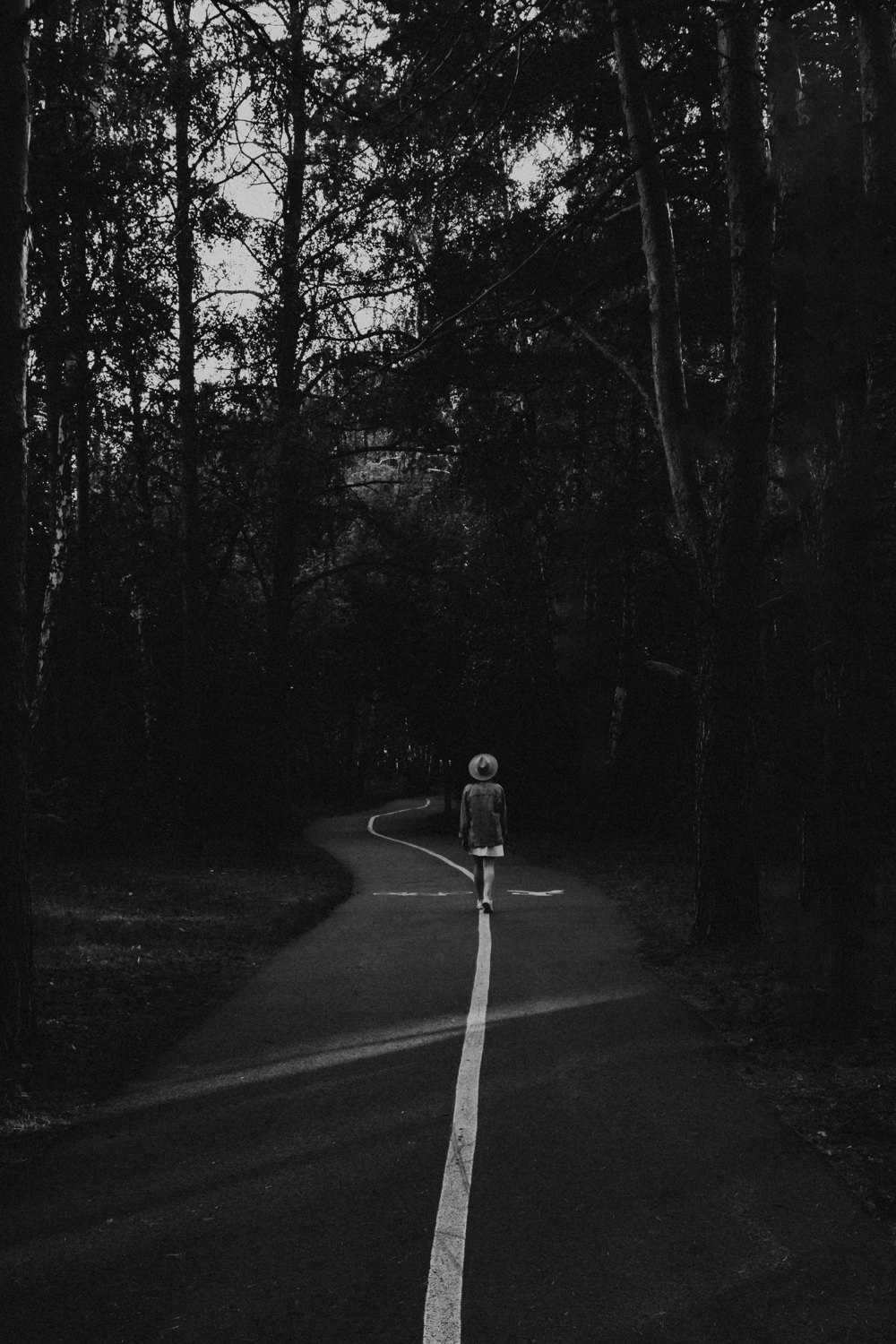
An emergency light is not permission to start an unfamiliar trail late. If you are new to walking after dark, keep your regular outings on routes whose conditions you understand. Darkness changes what you can see at junctions and underfoot, and the temperature may drop while you are still out.
For a neighborhood walk, consider lighting, sidewalks, and crossings instead of simply extending the daytime route. Reflective details and a light can help with visibility, but they do not guarantee that a driver has seen you. Pause distractions at crossings and use a safer crossing even if it adds distance.
Give your return time to someone when heading onto a trail, and update them once you finish. If the morning runs late, change the route before setting off rather than quietly removing the safety margin. A shorter walk completed without hurry usually makes better use of limited daylight than a longer route whose final section becomes a race.