“Keep your chest up” might help someone who is collapsing forward during a particular movement. Another person may hear the same phrase and arch the back dramatically. The words are identical, but the result is not. That is why an exercise cue needs context.
A cue is usually a short prompt intended to change one feature of a movement. It may be a visual image, a direction or a feeling. It leaves out detail so you can act on it quickly. Treating that shorthand as a universal anatomical law can create confusion.
Ask what the cue is for
If an instructor says “push the floor away,” ask what they want you to notice. It might be a way to encourage a controlled leg drive in a lift. It is not an instruction to press equally hard in every direction during every exercise.
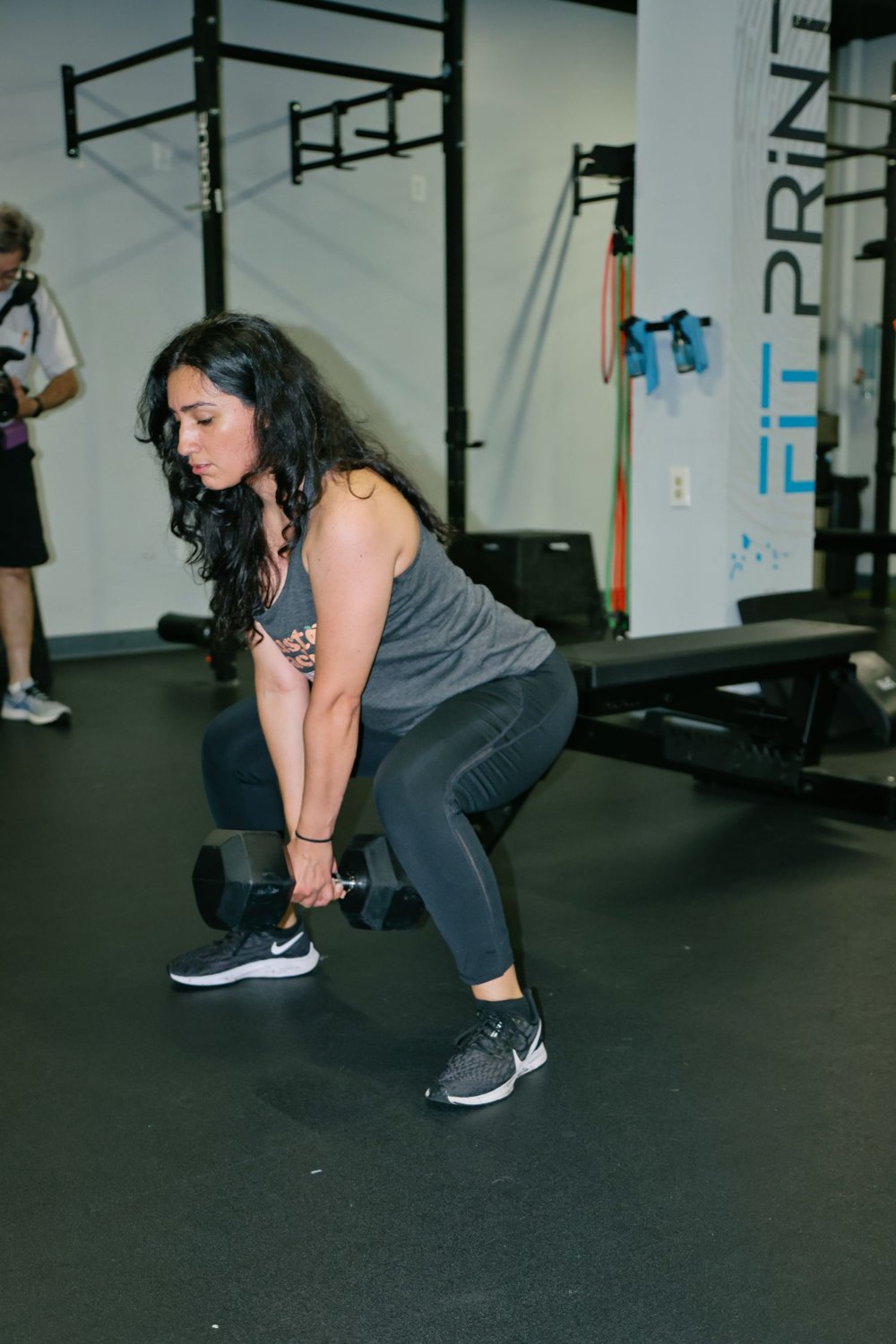
Likewise, “hips back” can explain a hinge, but a squat may involve more movement at the knees as well. Taking a cue from one demonstration and applying it to another exercise can change the task. Check that the resource describes the same variation you are practicing.
Try the cue with light resistance, then assess the result. Did it make the movement clearer? Did it solve the observed problem without creating discomfort or an exaggerated new position? If not, another phrase or a different exercise variation may be more useful.
Equipment instructions are different from optional teaching language. A requirement to engage a locking pin, use a rated attachment or keep within a machine's permitted adjustment range is not merely a cue you can reinterpret. Follow those directions and ask when they are unclear.
Avoid collecting contradictory slogans
Several short instructions from different sources may be useful individually yet confusing together. Choose a qualified instructor or a consistent resource, and focus on the immediate task. You do not need to reconcile every phrase you have ever heard before completing a light practice set.
A good note records both the cue and its purpose: “keep the weight close so the arms do not reach forward.” That makes it easier to remember why the instruction helped and when it applies.
As you learn, a cue may become unnecessary because the movement is familiar. You can let it go rather than repeating it forever. The point was to direct attention until you understood the task, not to create another rule that must govern every repetition you perform.