The familiar number inside a shoe is a useful place to start, but it is not a promise. Different models can have different widths, toe shapes, and internal volume. Even within one brand, the pair that replaces your old shoe may feel noticeably different.
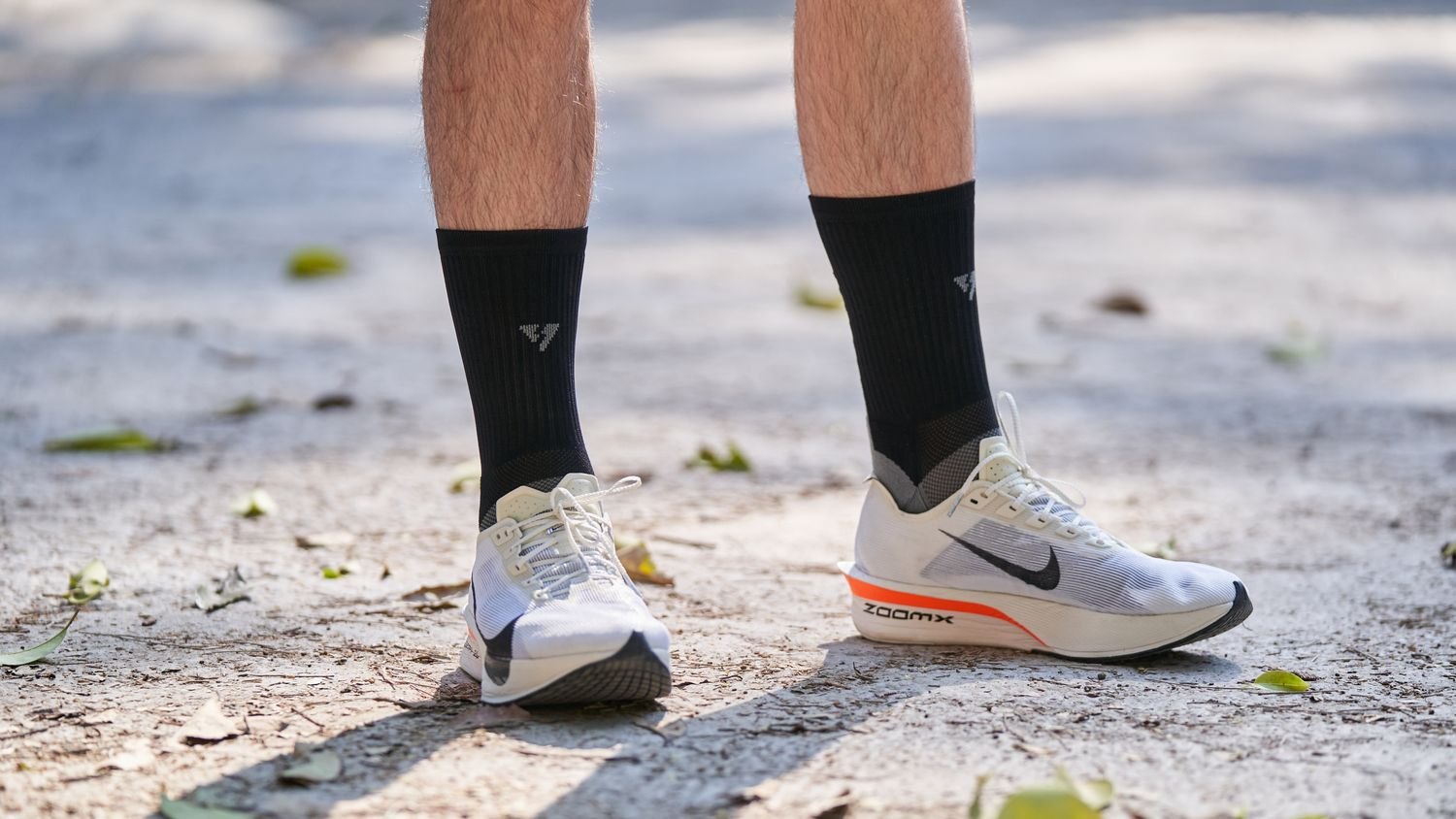
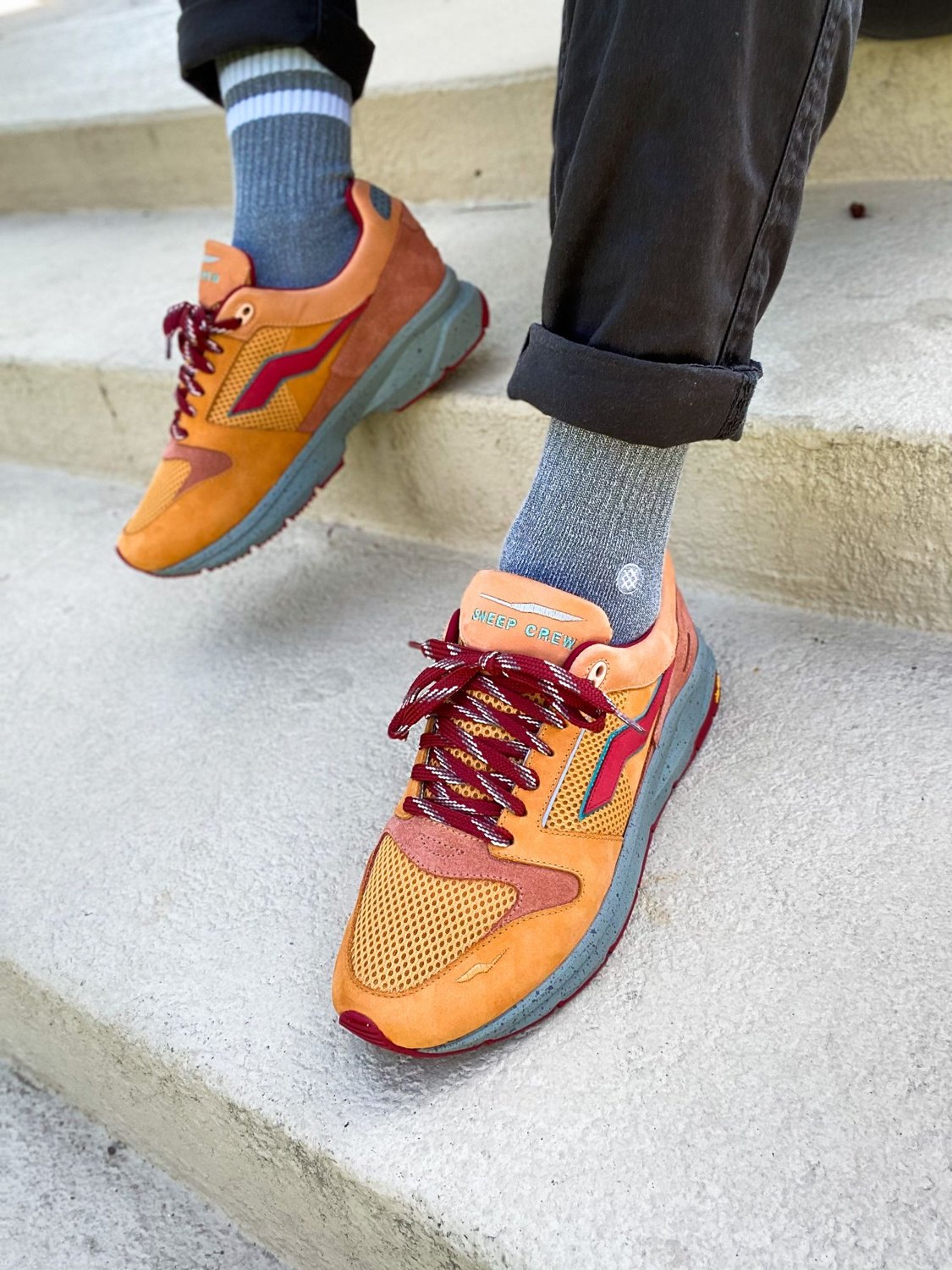
Bring the socks you expect to walk in and try both shoes. If you normally use an insert, bring that too. Stand up before judging the space. You want room for your toes without an unsecured heel or a foot that slides around each time you change direction.
REI’s footwear guidance recommends taking time over fit and considering the intended terrain. That is more useful than choosing the most heavily constructed shoe in the store. A well-fitted shoe for maintained paths may be a better choice than a stiff boot that presses on your foot.
Check the direction of movement
Walk on level ground, then use any safe fitting ramp or approved slope the shop provides. On the downward section, notice whether your toes contact the front. On the upward section, notice whether the heel lifts excessively. Do not invent a strenuous test on stairs or display furniture; ask for an appropriate fitting area.
A pressure point at the side of the forefoot may suggest that the shape or width is wrong, not that the shoe needs to be longer. Increasing the size can create too much movement elsewhere. Compare another width or model before trying to solve every problem with a larger number.
Lacing can make small differences. Adjusting the pressure across the top of the foot may improve comfort, but a shoe should not require extreme tightening to remain secure. Tingling, numbness, or pain is a reason to stop and reconsider the fit. Do not treat discomfort as proof that the shoe is supportive.
Give the new pair a modest first outing
Once you keep the shoes, begin with a short familiar walk. That gives you an opportunity to notice rubbing without being committed to a long return. Introduce changes in footwear separately from a large increase in distance. Otherwise, it becomes difficult to tell whether an uncomfortable day came from the shoes, the route, or both.
Keep a note of the model, width, and what felt right. This can help with future purchases, but repeat the fit check when replacing them. Materials, design, and your needs may change. The size label is a sorting tool; the real decision happens when the whole shoe-and-sock combination works during walking.