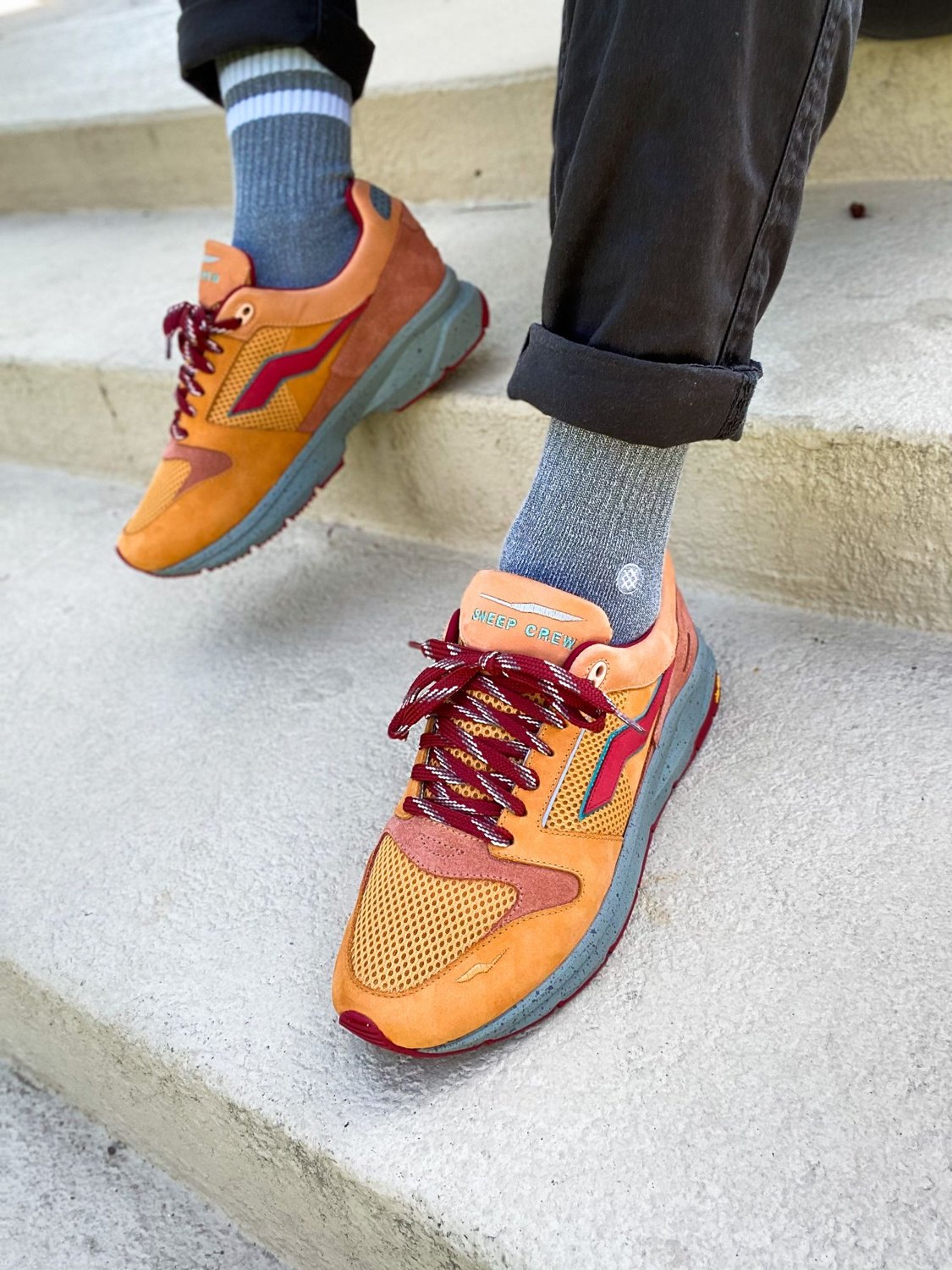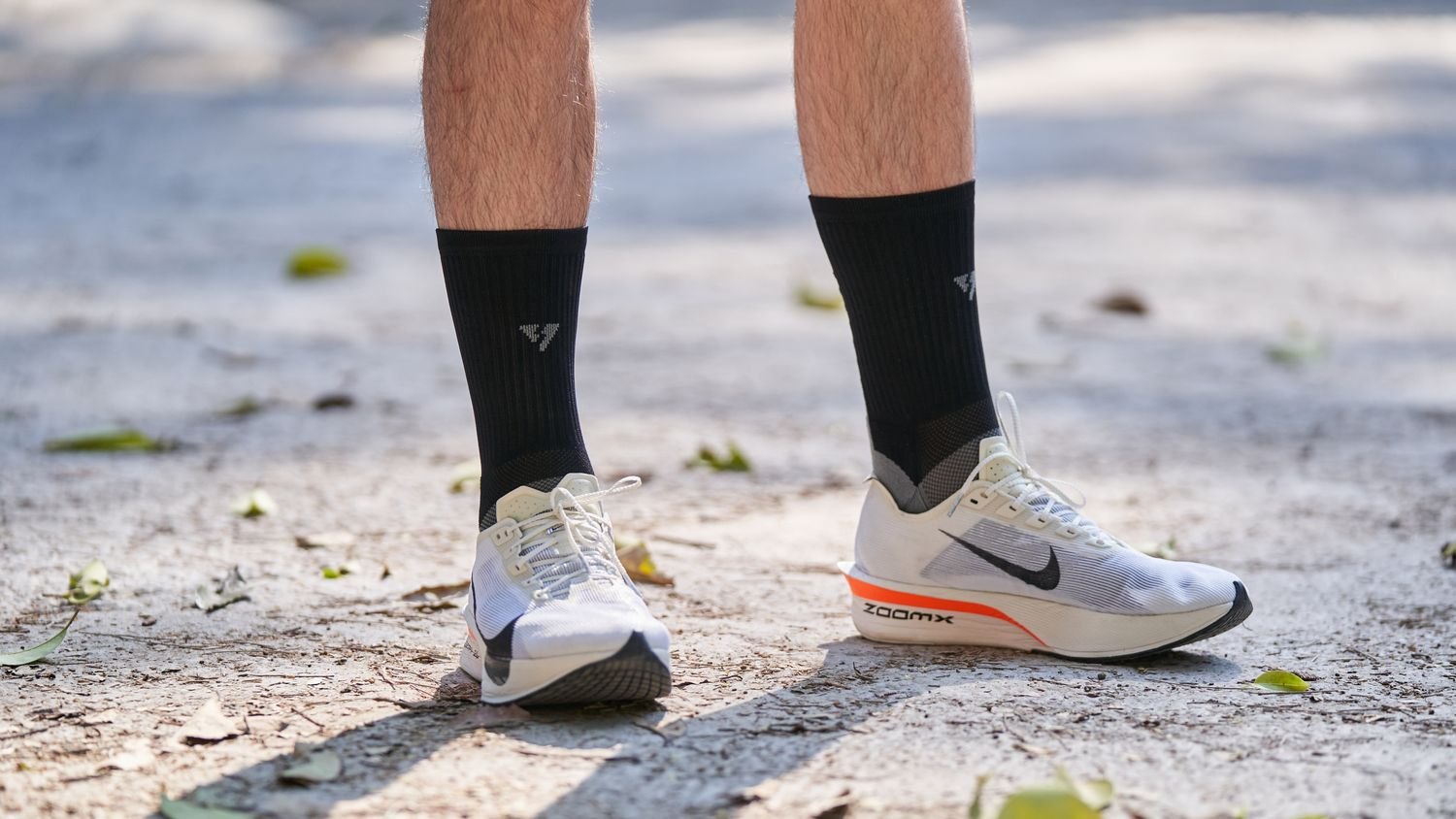
A shoe built around forward running does not automatically feel right for every gym task. Under a standing lift, you may notice the sole compressing or the foot shifting in a way that was less obvious while jogging. That does not make the shoe defective. It may simply be a poor match for the movement.
Running shoes vary widely, so avoid treating the whole category as one design. Some have a high, soft sole; others are lower and firmer. Look at the particular shoe on your foot rather than assuming a label tells the full story.
Judge the base before adding load
Begin with an unloaded version of the movement on a clear, suitable floor. Notice whether you can stand comfortably and control the position without repeatedly correcting a wobble. If the shoe feels unstable before you pick up a weight, adding load is not a useful way to test it further.
A training shoe with a firmer, stable base may suit mixed gym work, while specialized lifting shoes serve more specific purposes. You do not need to buy the most specialized option as a beginner. Choose according to the exercises you do most often, your comfort, and any guidance relevant to your needs.
Do not remove your shoes automatically because someone else lifts barefoot. Facility rules, flooring, dropped-object risks, and individual foot needs matter. A footwear change should solve an identified problem rather than follow a gym trend. If you are uncertain, ask a qualified instructor to observe the movement and setup.
Consider the rest of the session. A shoe that works well for a controlled lift may not be the one you want for extended running. If your workout combines different activities, you may choose a sensible compromise or change shoes between distinct parts. The decision depends on what you actually do, not an imagined ideal program.
Check the condition of the shoes you already own. Uneven wear, damaged uppers, or a sole that no longer sits evenly can also affect how the base feels. Replacing worn footwear and choosing a different construction are separate decisions.
The useful question is specific: does this pair let me perform the planned movement comfortably and consistently on this surface? That is easier to answer than whether running shoes are universally good or bad for lifting. If something feels wrong, simplify the setup and resolve it before progressing the weight.