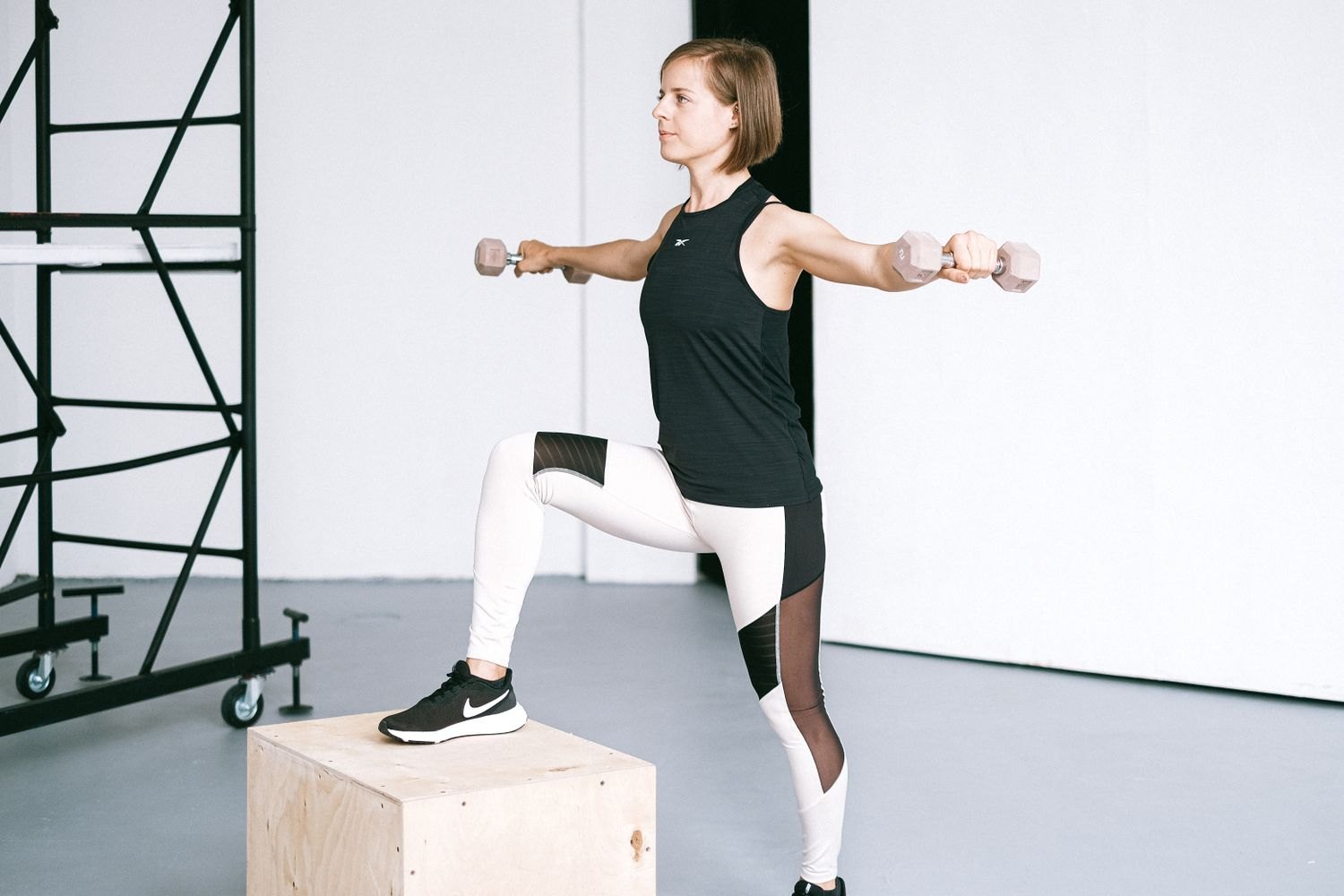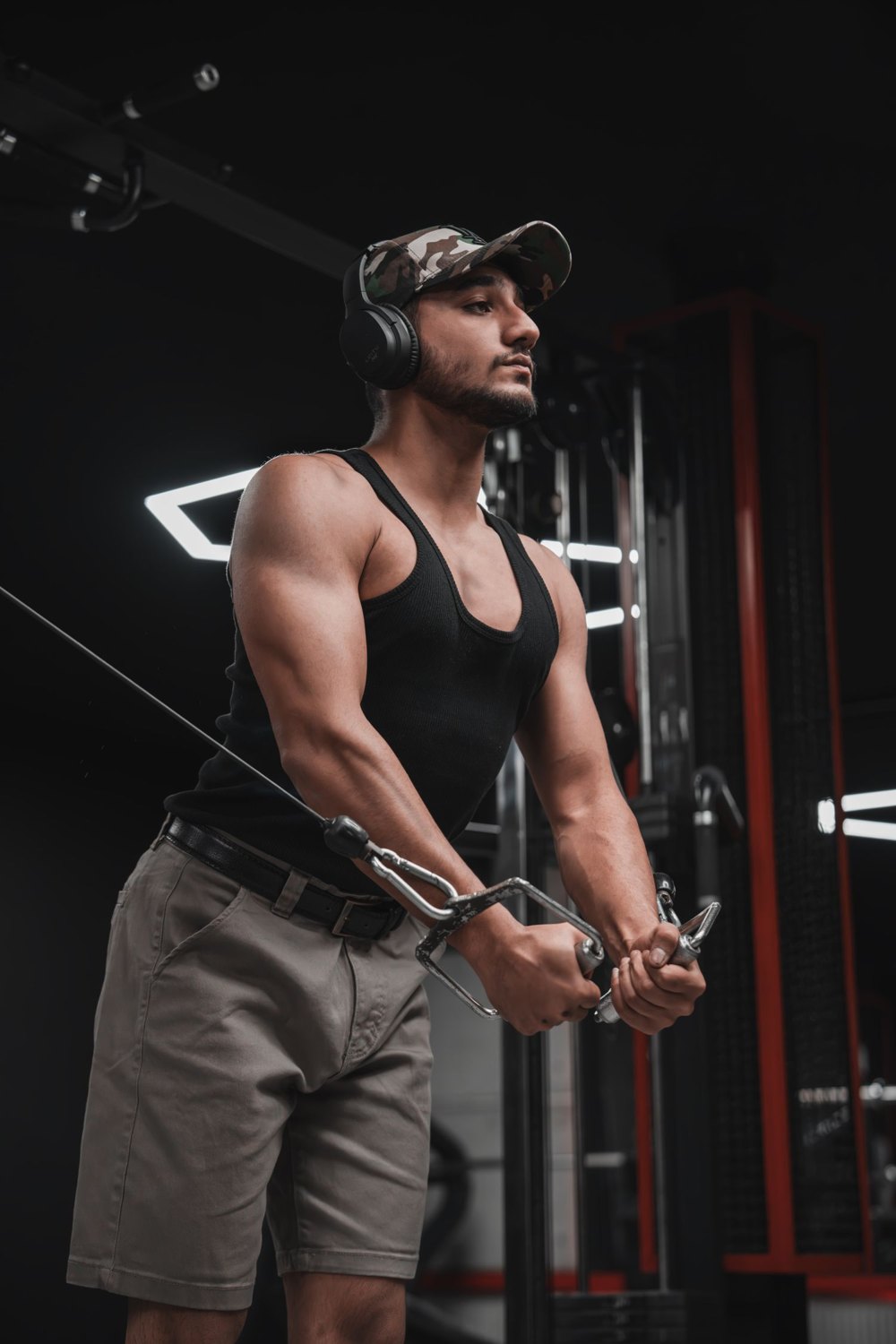
Three visits with the same weight can mean three different things. You may have completed more controlled repetitions, changed the support height or finally learned the machine adjustment that makes the movement comfortable. A log that records only pounds misses those changes.
Choose a few details that describe the exercise accurately. For a machine, the seat and lever settings can be as useful as the resistance. For a raised push-up, identify the surface. For a carry, record the distance and whether the weight is listed per hand. These details let a later comparison mean something.
Write what you observed
“Ten repetitions, last two slower but controlled” is a more useful note than “good session.” “Stopped at eight because the grip was slipping” explains a limit that the number alone cannot show. Keep the language descriptive rather than grading yourself.
Range of motion is another useful observation, but avoid treating greater range as a compulsory improvement every week. A deliberately shortened variation may serve a particular goal or restriction. What matters for comparison is knowing whether the range changed and why.
You can also record how a weight felt at the end of the set. An estimate such as “could probably do two more” gives context, provided you remember that estimates are imperfect. They become more informative through repeated practice, not by pushing every set to failure to verify them.
Use a compact format you will actually complete. A line for exercise, load, repetitions and one note is enough for many sessions. A dozen fields about mood, temperature and readiness may produce more missing data than insight if the record becomes tedious.
After several comparable visits, look for a pattern. The same repetitions with less strain might suggest that a small increase is becoming reasonable. A repeated loss of control might suggest a lighter load or a setup review. One unusually easy or difficult day does not settle the decision.
When you change an exercise substantially, begin a new comparison instead of forcing the old numbers to fit. A chest-supported row and a standing cable row share a pulling action but place different demands on you. The log should make that distinction visible.
Sometimes maintaining the same work during a busy period is the useful outcome. Record it accurately and move on. A notebook exists to inform the next choice, not to demand a heavier number from every visit.