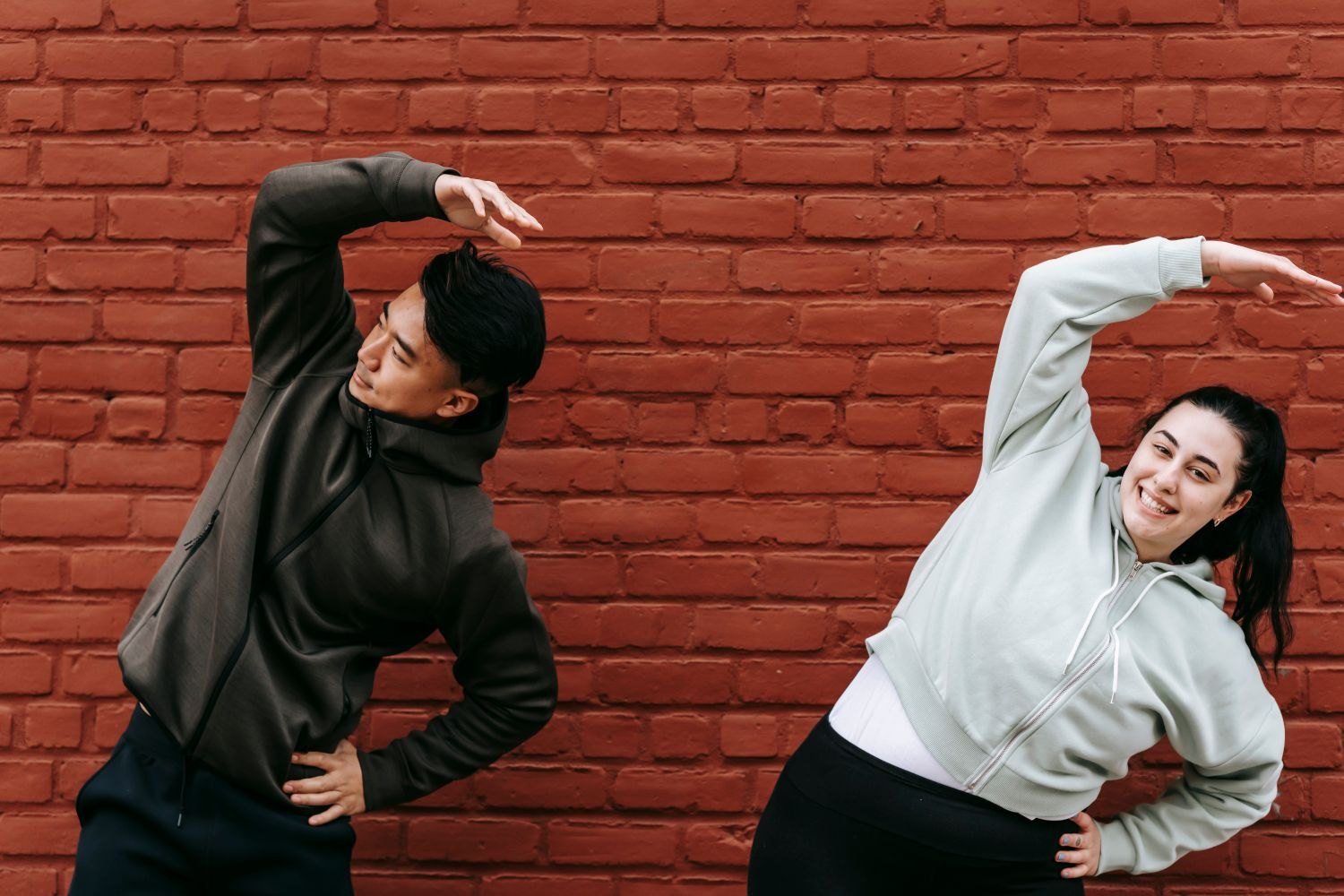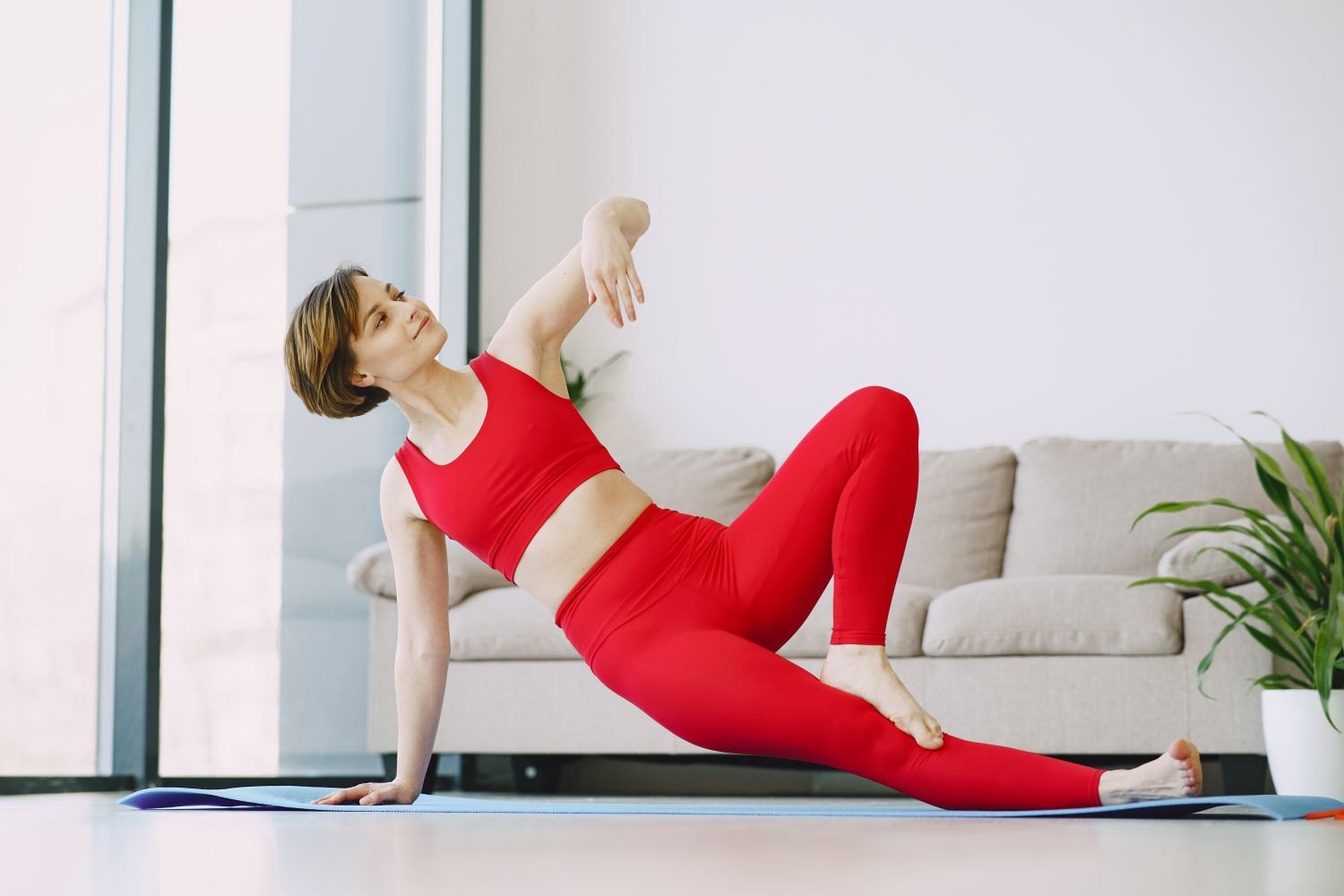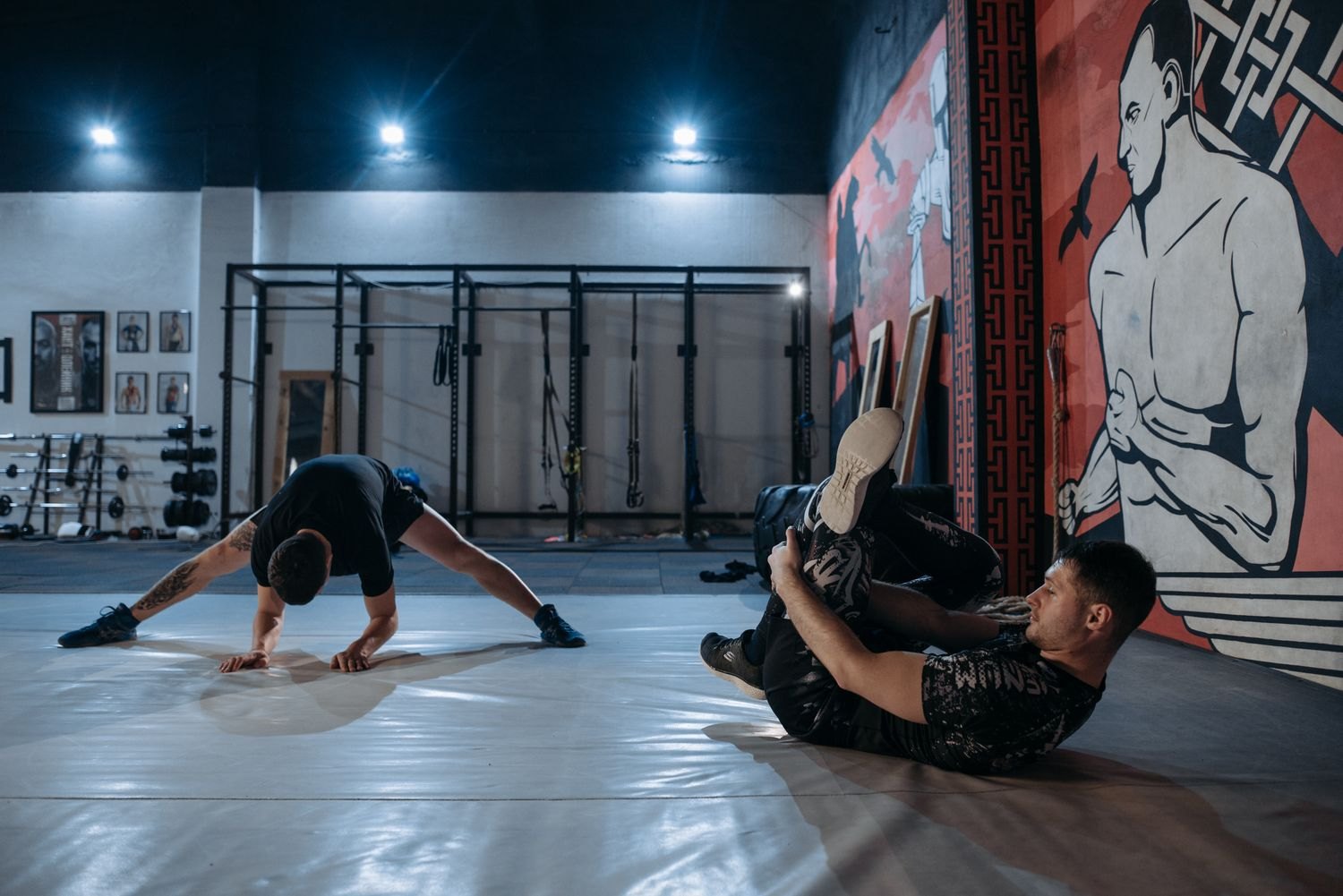
The deepest part of a movement is sometimes where the exercise stops looking organized. A knee drifts unexpectedly, the body tips or a hand reaches for support in a hurry. Reducing the range can give you a clearer starting point.
This is different from shortening every repetition to claim a heavier weight. In a learning or easy movement session, you deliberately choose a smaller range so you can control it. Name that choice and keep it consistent while you practice.
For a supported squat, lower only to a height from which you can return smoothly. For an arm raise, stop before you feel compelled to arch dramatically or force the shoulder. The exact position is individual; a modest range is useful when it allows you to understand the movement without pain.
Keep both directions deliberate
Notice the return as well as the outward movement. Can you come back to the starting position without dropping, rushing or using an unexpected push from another body part? If not, simplify further or choose a different version.
Support can help. A stable rail may reduce the balance demand, or a chair may provide a repeatable reference. Make sure the support itself is secure; an unstable object does not turn a small movement into a better challenge.
Over time, you may explore a little more range if it remains comfortable and controlled. Change gradually rather than assuming that the next session must be deeper. Range can vary with the task, the load and your circumstances, and a larger movement is not automatically appropriate for every goal.
If the limitation involves pain, a new restriction or a concern about an injury, seek individual advice. A shorter movement is not a way to diagnose the issue or quietly work around every symptom.
Keep a simple note when the range matters to your training record. “Squat to higher box” describes the task honestly. Comparing it directly with a lower box without noting the change would confuse the result.
A smaller range can be a useful place to practice, and it can remain part of an appropriate exercise choice. The immediate aim is not to reach the farthest point available. It is to move through the chosen distance with enough control that the beginning, middle and ending all belong to the same deliberate action.