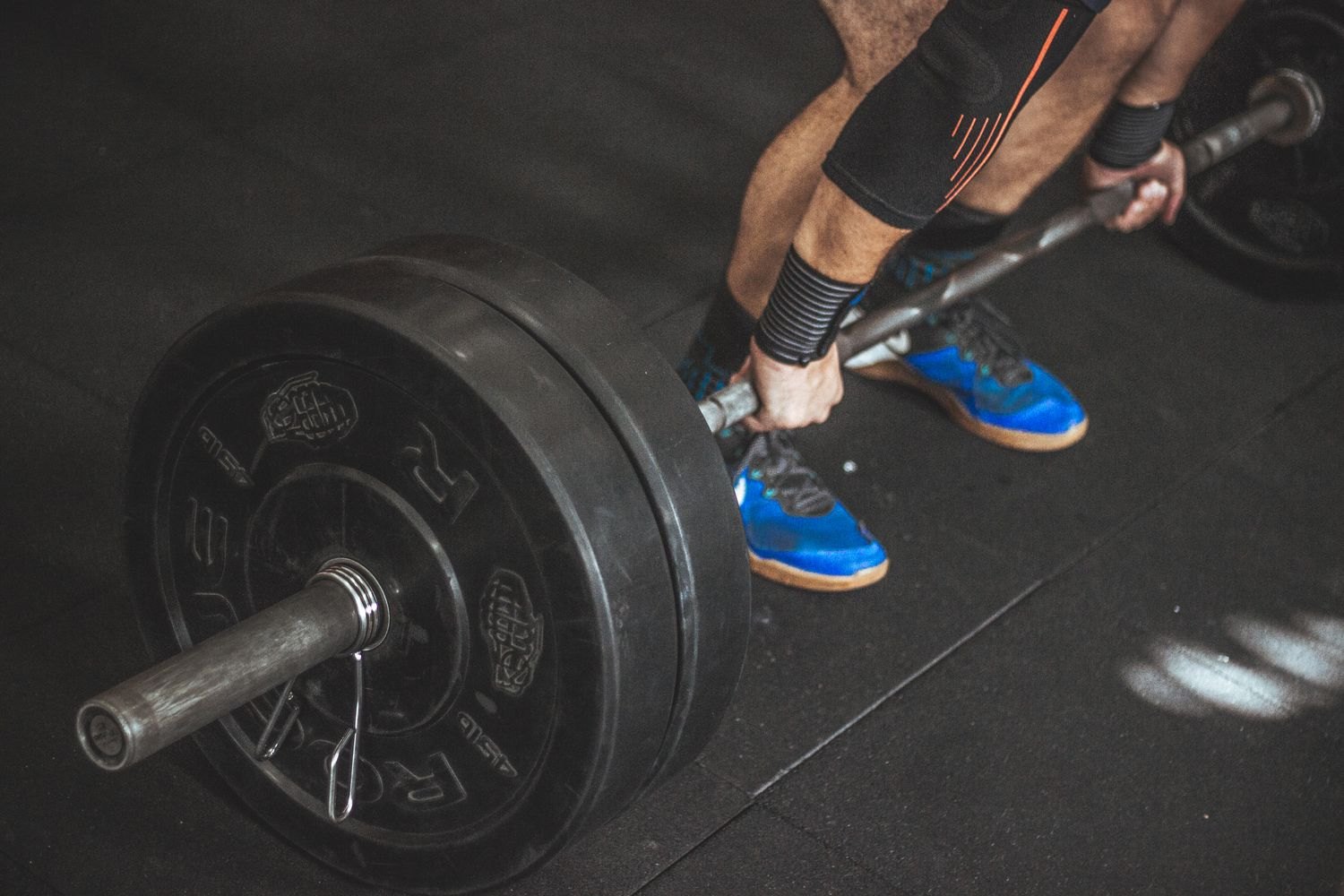
A small kettlebell and a full-size barbell plate place their handles at very different heights. If you try to lift both from the floor, you are not beginning from the same position. Equipment geometry is one reason a deadlift can feel manageable with one implement and awkward with another.
The starting height should let you reach the handle, organize your stance and create a controlled lift. It should not force you into a position merely because the weight happens to be sitting there. A trainer may use appropriate blocks or another rated support to raise an implement while you learn.
Raise the weight securely
Use equipment designed to support the load. An unstable pile of books, loose cushions or a wobbly stool is not a reasonable lifting platform. The support must remain stable as the weight leaves it and when the weight returns. A round dumbbell also needs a setup that prevents it from rolling unexpectedly.
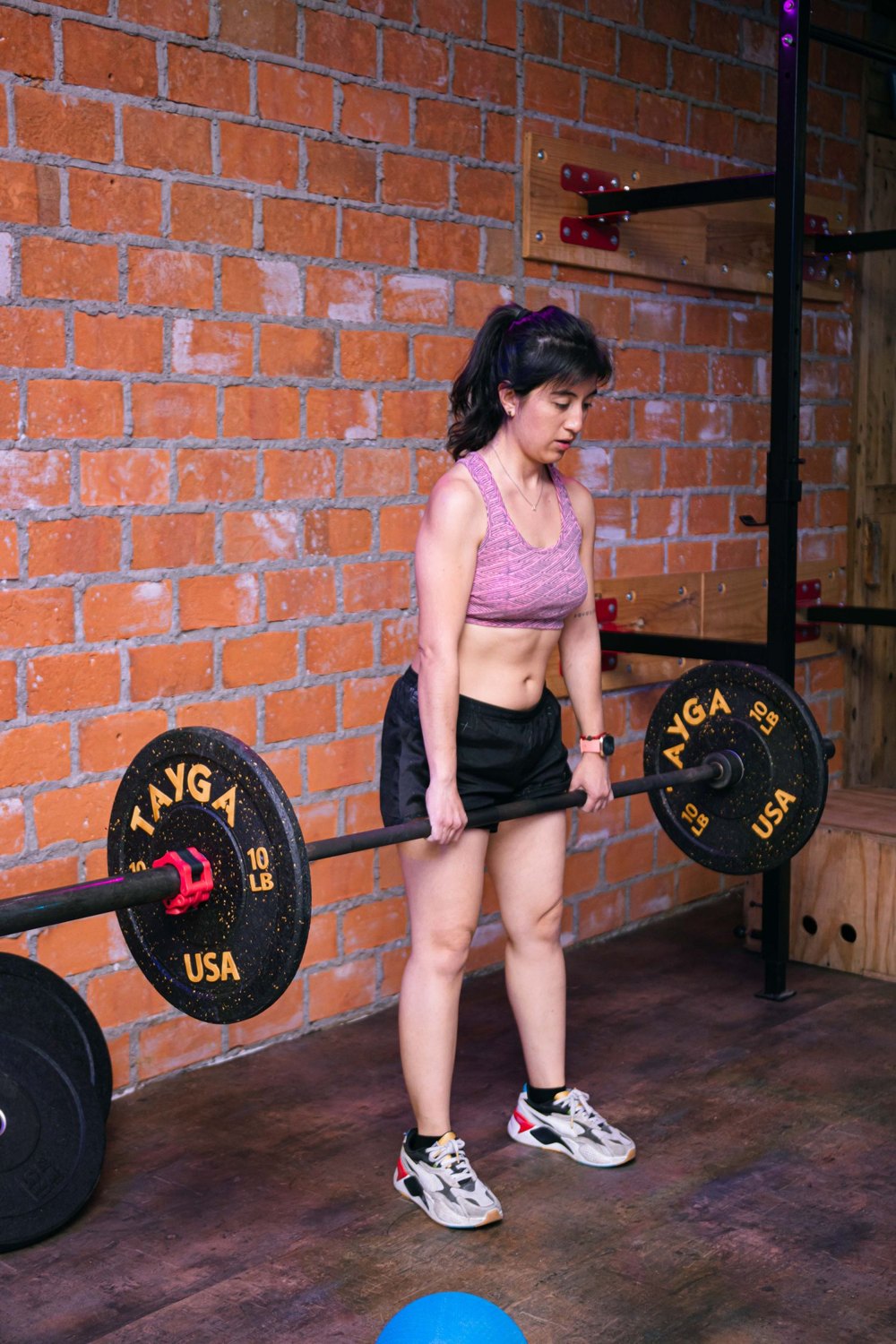
Begin with an unloaded hip hinge and a light rehearsal. Find a comfortable foot position, reach the handle without rushing and stand by extending through the hips and legs. Keep the weight close enough to control, and reverse the movement deliberately. This is a general description; the details vary between a kettlebell, trap bar and straight bar, so learn the particular version rather than mixing cues from several demonstrations.
A higher start may shorten the movement, but that does not make it meaningless. It can allow you to practice the pickup and return in a range you currently manage. If you later lower the support, treat that as a change in the exercise's demand, even when the weight stays the same.
There is no requirement to keep lowering the start until the weight reaches the floor. Your goal may be general strength rather than performing a standardized competition lift. A variation that fits your body and available equipment can be the appropriate long-term choice.
Record the support height or identify the exact block setting. Without that detail, a heavier lift from a higher platform can look like straightforward progress when two variables changed. A useful record keeps them separate.
If you cannot find a controlled starting position with light resistance, seek instruction before adding weight. If the movement causes pain, stop rather than assuming another few repetitions will solve the setup. The first question is whether the exercise fits; the number on the implement comes after that.