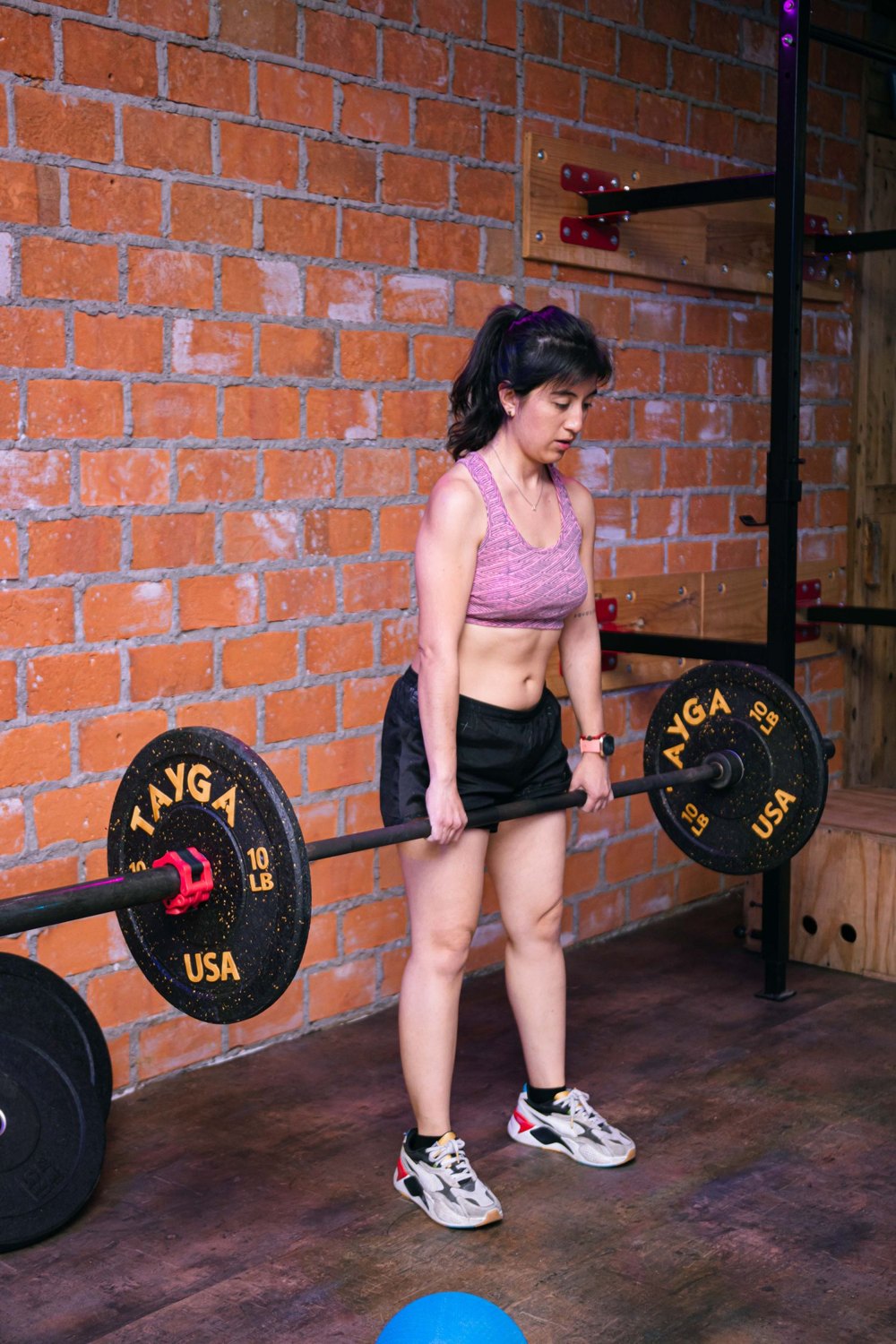
“Brace, keep the chest up, push the floor away, hold the knees out, breathe.” All of those instructions may have a context, but hearing them together during a new lift can make the task feel impossible. Learning improves when you know which problem you are currently trying to solve.
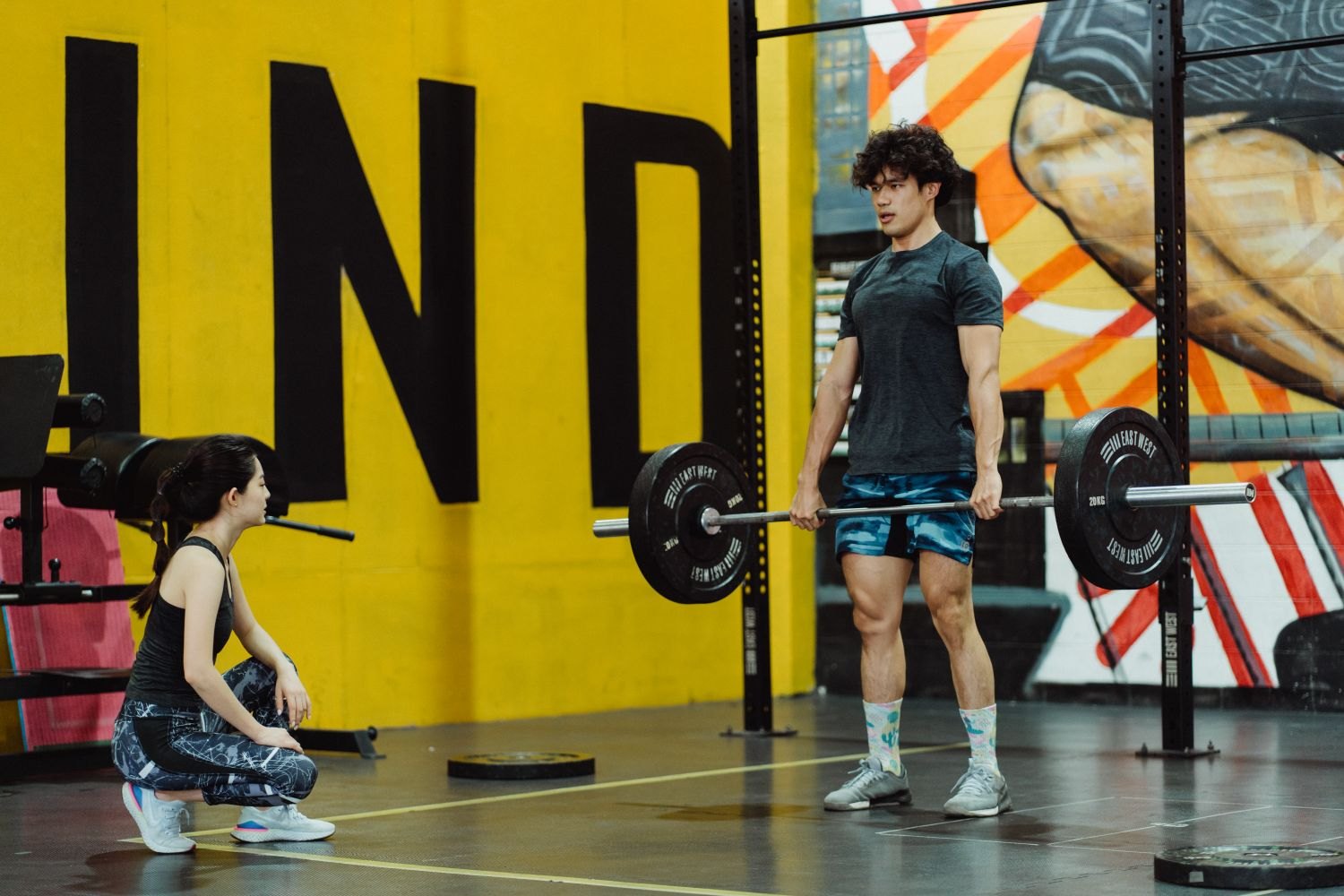
Begin with a demonstration of the whole movement, including the pickup and finish. Then rehearse it with little or no resistance. If you have a trainer, ask for the single most useful cue for your next attempt. A cue should help you do something observable, such as keeping the weight near your body or lowering to a comfortable target.
Practice, then discuss
Try a few repetitions without receiving a new instruction after each one. Put the weight down and talk about what changed. Did the cue make the movement easier to understand? Did it solve the intended issue, or did you exaggerate it and create another one?
For example, “send your hips back” can help explain a hinge. Taken too far, it may cause someone to rock backward and lose balanced foot contact. The response is not to shout the same cue more loudly. Reduce the exaggeration, change the wording or use a simple physical reference with appropriate instruction.
Avoid collecting corrections from every person nearby. Different observers may be describing different exercise variations, and casual advice can conflict. Choose a qualified instructor or a consistent instructional resource, then ask questions when a direction does not make sense.
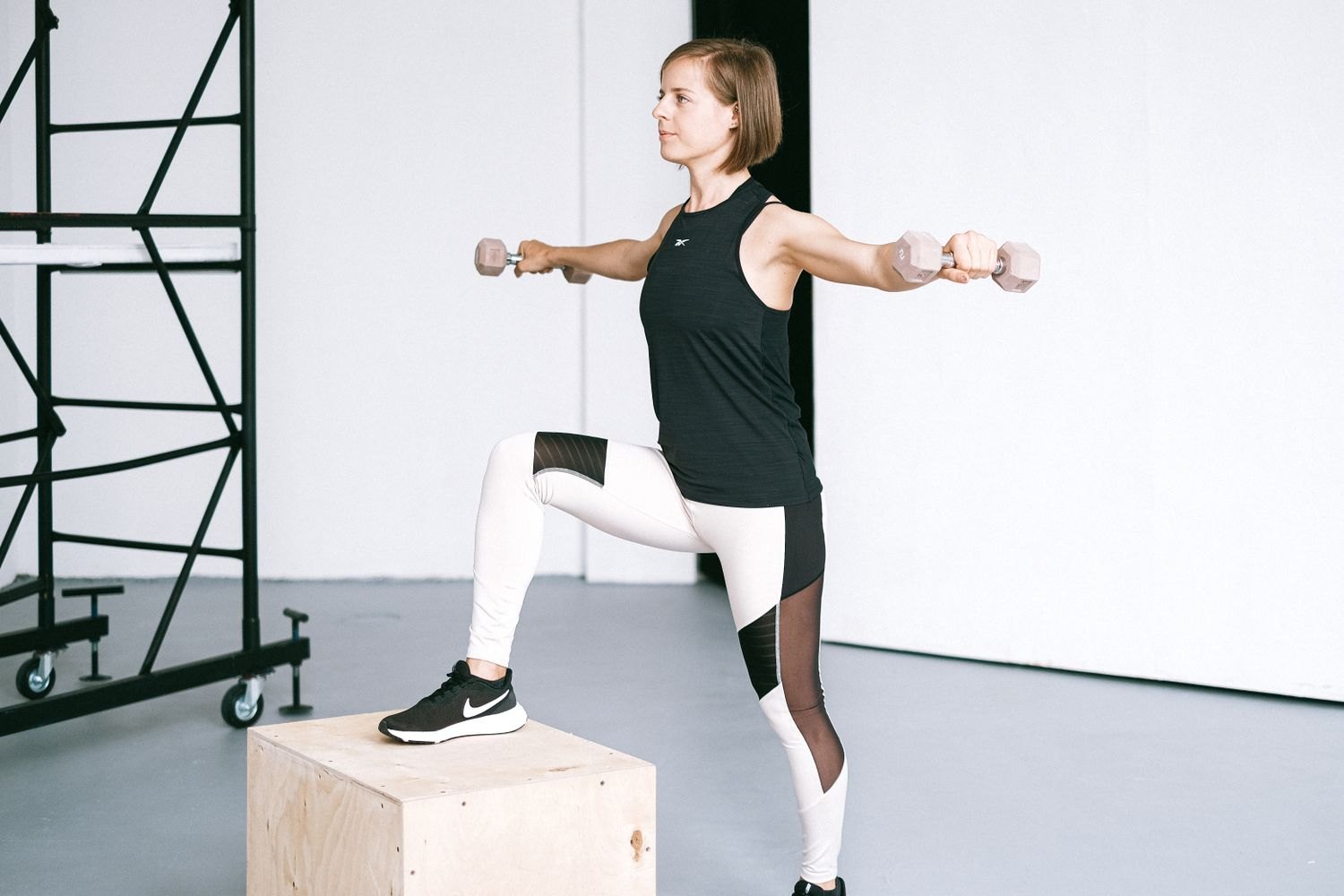
A short note after practice can contain the cue that worked. “Light touch to the box” is easier to recall next time than a paragraph about joint positions. Keep the note specific to the exercise, since an effective cue for one movement may not apply to another.
It is also reasonable to choose an easier variation while learning. A supported row may let you understand the pull before adding the challenge of a bent-over stance. A raised push-up may allow attention to the body position without an immediate struggle against the floor.
Practice does not have to end in fatigue to count. Stop when attention fades or the movement becomes less controlled. Return with the same small task at the next session. As the familiar parts require less thought, there will be room to work on another detail without carrying a dozen instructions through every repetition.