Walking slowly before a brisk walk makes intuitive sense. The same idea helps with other exercise: start with a gentler version of what is coming, then add the demands that make the session different. A warm-up is preparation for a task, not a separate collection of exercises you must complete out of habit.
The American Heart Association suggests a gradual five- to ten-minute warm-up before moderate or vigorous aerobic activity, using the planned activity at an easier pace. The exact transition also depends on the session and the person. A chilly morning and a demanding workout may call for more preparation than an easy outing on a comfortable afternoon.
From general movement to a rehearsal
For a walk, let the first part of the route be unhurried. Give yourself time to settle your stride and adjust your clothing before meeting a steep hill. If the route begins with a climb immediately outside the door, walk on a flatter nearby section first when that is available.
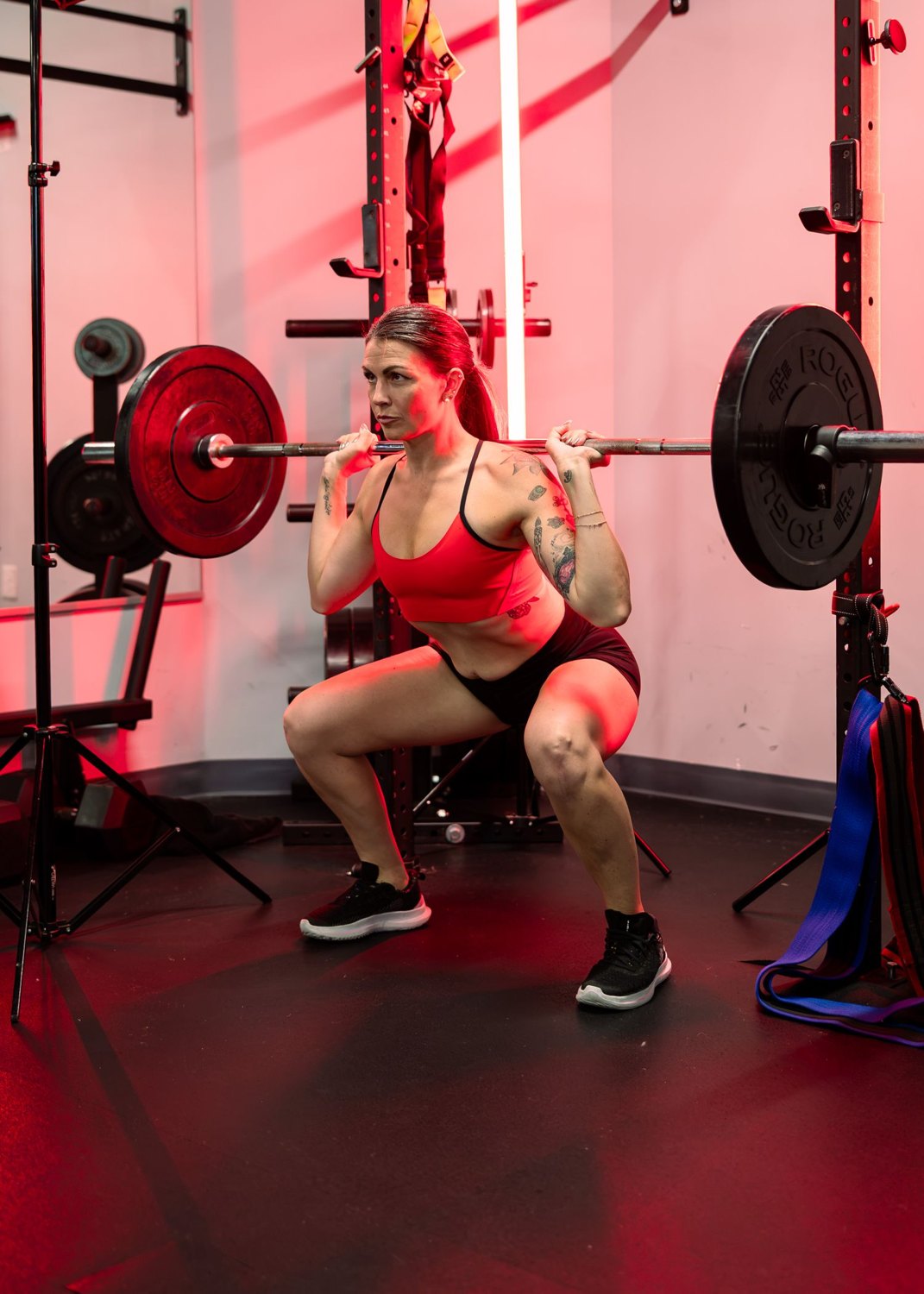
Before lifting, easy walking or another comfortable activity can help you move out of a long period of sitting. Follow that with practice of the exercise itself. A few unloaded squats, for example, tell you something about your stance that several minutes on a bicycle cannot. Before a dumbbell press, practice with a lighter pair so you can check the path of the weights and the space around you.
Keep the rehearsal light enough that it does not use up the effort intended for the working sets. You are checking the setup, range and movement, not trying to win an early repetition contest. As the planned load becomes heavier, more than one gradually heavier practice set may be useful; a beginner does not need a complicated percentage chart to begin learning this process.
Listen to the information you get
A warm-up also offers a chance to change the plan. An exercise that still feels awkward after a few easy attempts may need a simpler version or coaching. Persistent pain is not a cue to keep repeating the same movement until it disappears. Stop the uncomfortable exercise, and seek advice if symptoms continue or concern you.
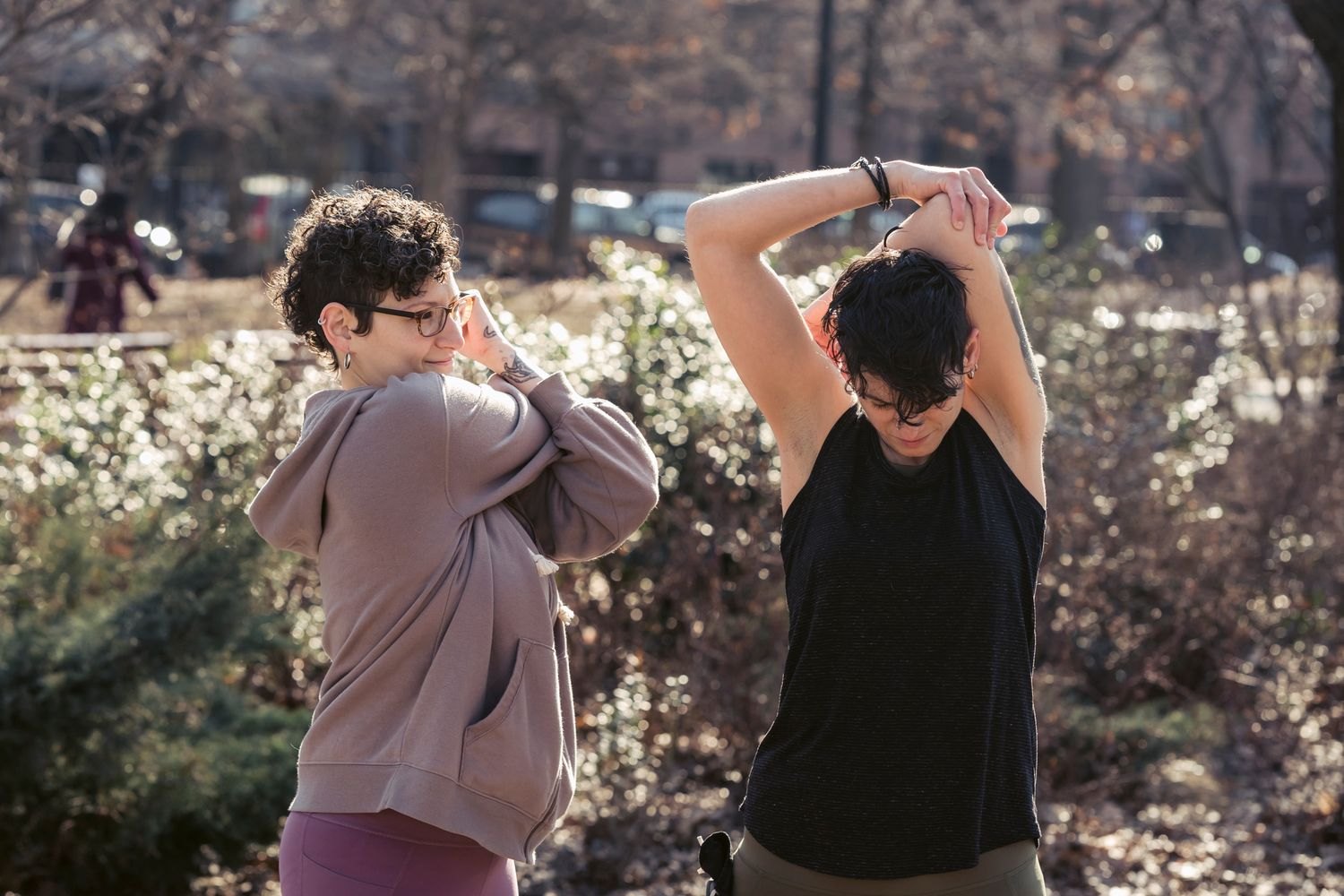
Different sessions need different attention. Preparing for a walk does not require an elaborate shoulder routine. Preparing for overhead exercise requires more than warming the legs. Choose movements because they help you approach the next task, not because they appeared in somebody else's routine.
Do not judge readiness solely by sweat. Room temperature and clothing affect how much you perspire, while a well-practiced light exercise may produce very little. A more useful check is whether your breathing has settled into the activity, the movement feels controllable and the equipment is arranged correctly. When those pieces are in place, begin the session at a sensible effort and let the first working set give you more information.