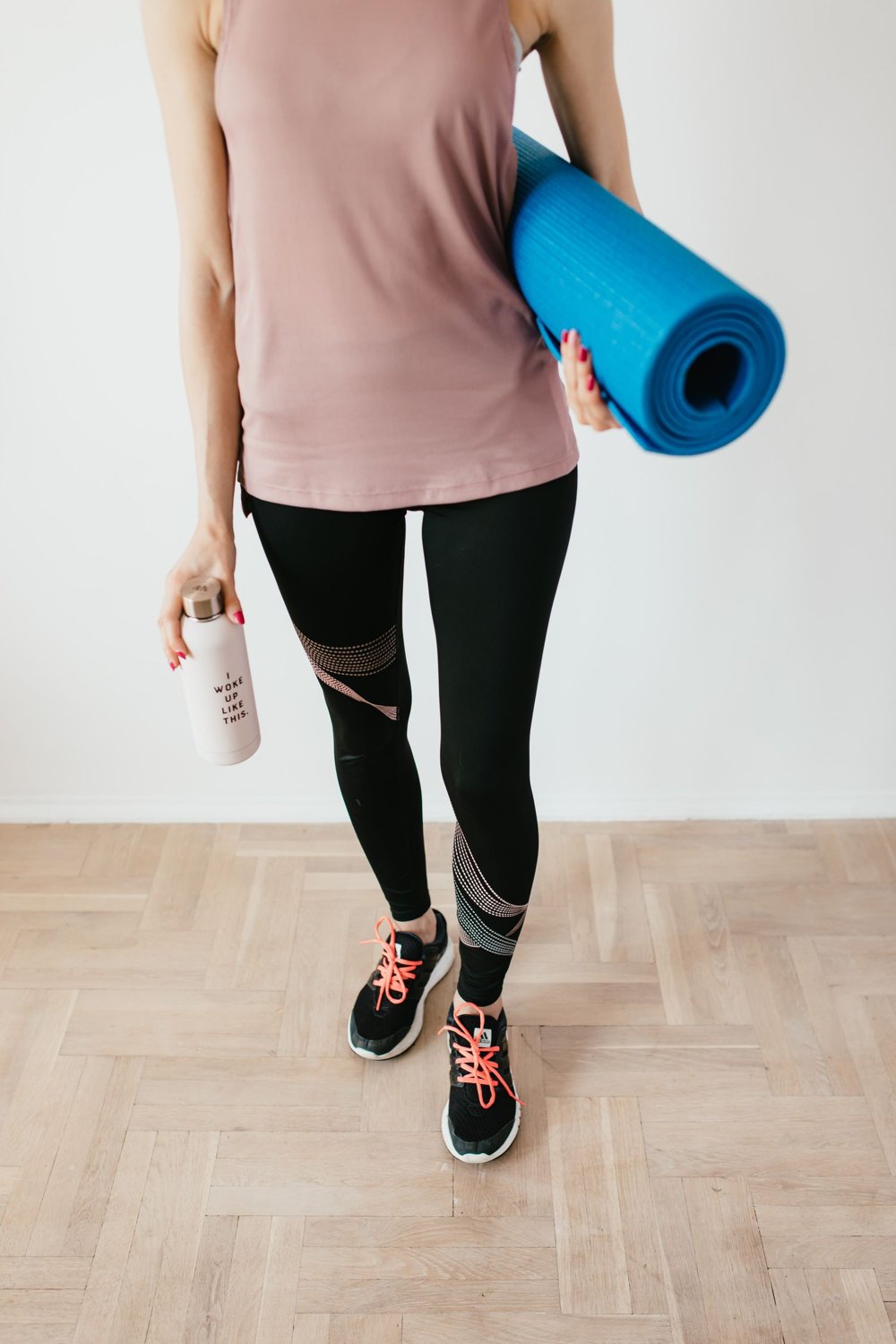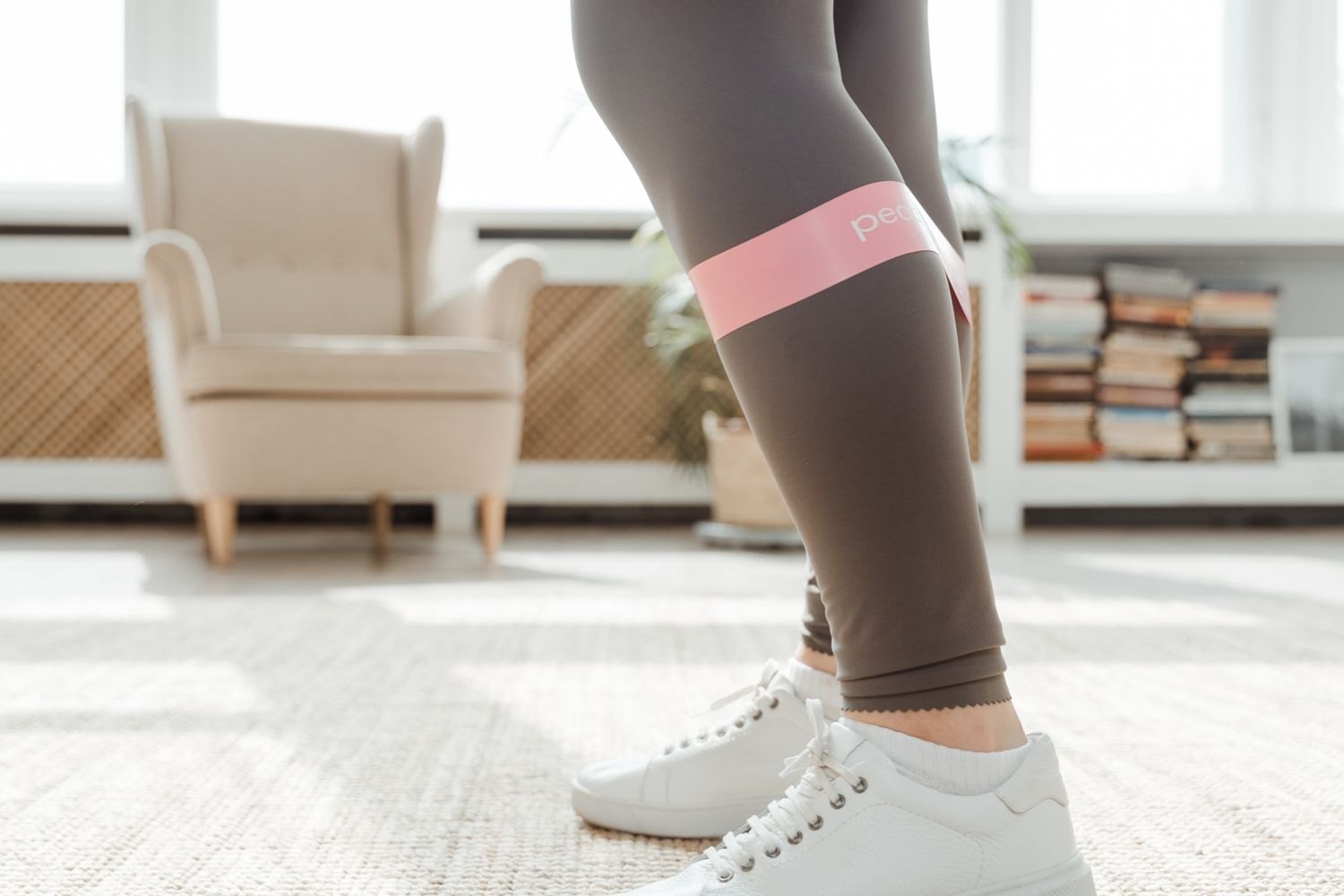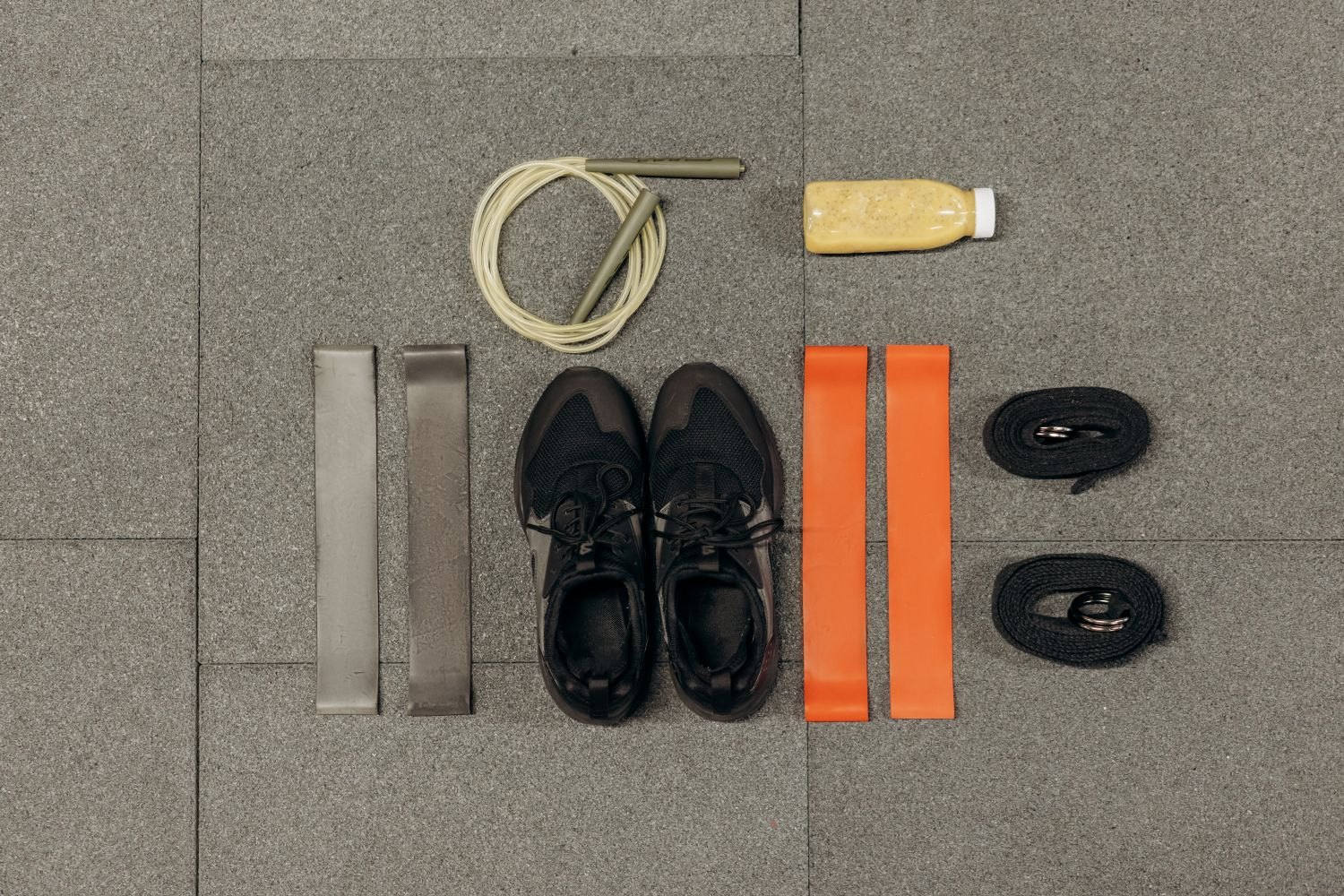
It is easy to turn a training goal into a shopping list. Wanting to walk more becomes needing a new watch; wanting to exercise at home becomes needing an entire rack. Equipment can help, but it is worth identifying the actual obstacle before choosing a product.
Write the goal without a brand or item in the sentence. Perhaps you want to complete two comfortable strength sessions a week or take a walk after lunch. Then ask what currently prevents that. The answer may be time, uncertainty about the routine, uncomfortable footwear, or nowhere to store the equipment. Those problems do not all have the same solution.
Give the purchase a specific job
A useful buying question sounds like this: would a smaller mat let me use the available floor space? Or would a properly fitted shoe remove a recurring comfort problem? The benefit is concrete enough to evaluate. A promise that new equipment will make you more motivated is harder to test and easier to disappoint.
Try an adjustment with what you already own when it is safe and appropriate. Move a session to a better time, simplify the exercise selection, or reorganize storage. Do not improvise unsafe substitutes, but do distinguish between missing equipment and an inconvenient routine.
Set a budget that includes the less visible costs: storage, maintenance, replacement parts, subscriptions, and returns. A low initial price may not describe ownership. If a device’s useful feature requires a continuing service, check the terms before treating the purchase as a one-time expense.
Decide how you will judge the item after buying it. That could mean comfortable use on several short walks, straightforward setup for the planned session, or a clear place to put it away. Keep the assessment within the return conditions and do not claim success merely because the product arrived.
It is also reasonable to buy something for enjoyment. You can like a color, a design, or the convenience of a feature without presenting it as essential to progress. Separating those reasons makes the decision more honest.
A training goal remains valid while a purchase waits. If the activity can begin safely with the current setup, start there. The experience may reveal a smaller and more useful purchase than the one you imagined before doing the activity at all.